Amidst the vibrant blend of tradition and modernity in Turkey, traditional mosques stand as living symbols of spiritual life and community cohesion. As global interest in cultural heritage deepens, exploring how these sacred spaces influence daily rituals offers a fascinating glimpse into the heart of Turkish religious practice.
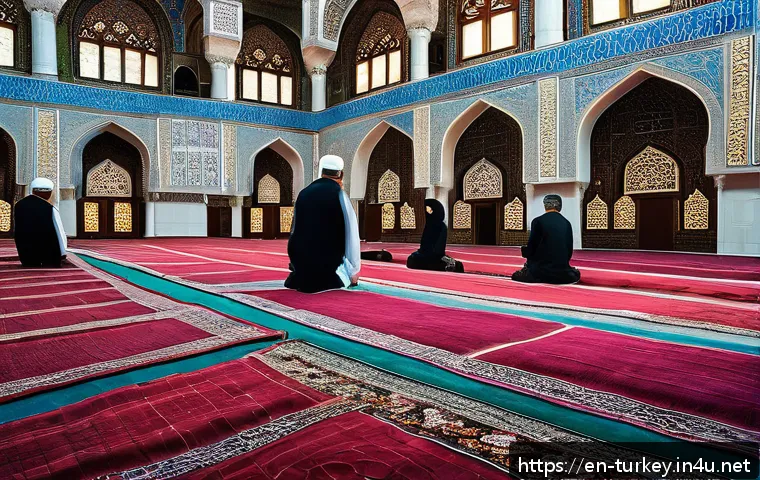
From the call to prayer echoing through ancient courtyards to the intricate architectural details that inspire devotion, mosques shape more than just worship—they nurture identity and continuity.
Join me as we uncover the profound role these timeless structures play in shaping faith and culture today. This journey promises insights that resonate far beyond Turkey’s borders.
Echoes of Devotion: The Daily Rhythms Within Sacred Walls
The Call to Prayer: A Sonic Thread Connecting Generations
The resonant call to prayer, or adhan, pierces the early morning air and marks the passage of time for communities across Turkey. Unlike a mere auditory signal, this call weaves a sonic tapestry linking the present to centuries of tradition.
Walking through neighborhoods, I’ve often paused, caught in the moment when the muezzin’s voice unfurls from the minaret, inviting everyone to pause and reflect.
It’s a shared experience that transcends individual routines, binding people in a collective spiritual cadence. This ritual doesn’t just signal prayer time; it reinforces a communal identity deeply rooted in faith.
Prayer Rituals: Intimate Acts Within Majestic Spaces
Inside the mosque, the atmosphere shifts subtly from the outside world. The act of ablution, performed at intricate fountains, is not just a physical cleansing but a mental preparation for worship.
I’ve noticed how this ritual encourages mindfulness—washing away distractions before entering a sacred state. The prayer itself, with its precise movements and recitations, feels like a choreography passed down through generations.
Observing worshippers, I see a blend of personal devotion and collective harmony, where the mosque’s architectural grandeur enhances rather than overwhelms the intimate spiritual experience.
Community Gatherings Beyond Worship
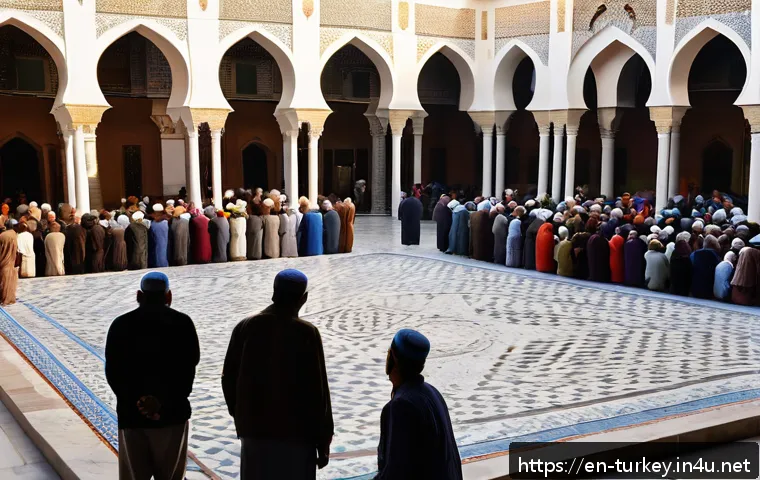
Mosques serve as more than just prayer halls; they are hubs of social interaction and education. From Quranic classes for children to community meetings and charity events, these spaces foster a sense of belonging and mutual support.
I recall attending a local lecture held in a mosque’s courtyard—people of all ages gathered, exchanging ideas and stories. This dynamic role underlines how mosques help sustain social cohesion, nurturing both faith and a shared cultural heritage that adapts with time yet remains anchored in tradition.
Architectural Language: Stories Carved in Stone and Tile
Symbolism Embedded in Design
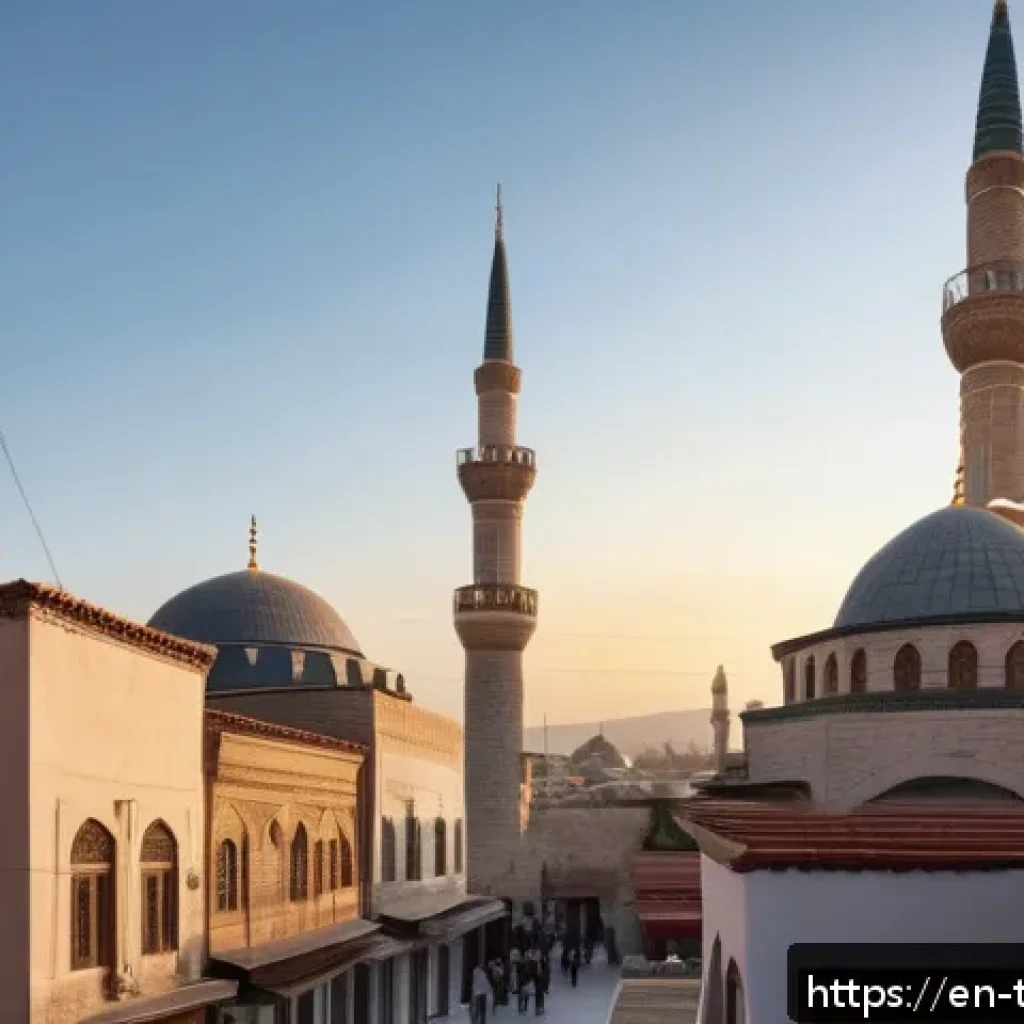
Every arch, dome, and tile in a traditional Turkish mosque tells a story steeped in symbolism. The use of geometric patterns and calligraphy isn’t merely decorative; it’s a visual expression of divine infinity and unity.
Standing beneath the central dome of a historic mosque, I’ve marveled at how the intricate arabesques invite contemplation, encouraging worshippers to meditate on the infinite nature of creation.
This artistic language transcends words, offering a spiritual dialogue between the sacred structure and its visitors.
The Role of Light and Space
Natural light plays a pivotal role in mosque architecture, shaping the ambiance and enhancing the spiritual experience. Light filtering through stained glass windows casts vibrant patterns across prayer rugs, creating a serene and contemplative environment.
Walking through these spaces, I’ve felt how the architects masterfully balance openness with intimacy, using spatial design to guide worshippers’ focus inward.
The interplay of shadow and illumination becomes a metaphor for spiritual awakening, subtly influencing mood and mindfulness.
Preserving Craftsmanship Across Centuries
The preservation of traditional craftsmanship remains a testament to the enduring reverence for mosque architecture. Artisans today continue to employ techniques passed down through generations, from hand-painted tiles to intricate woodwork.
Witnessing a restoration project firsthand, I was struck by the dedication and skill involved—each brushstroke or carved detail was a labor of love, aimed at maintaining authenticity while ensuring structural integrity.
This living heritage sustains cultural continuity, bridging past and present through tactile artistry.
Social Fabric Woven Through Ritual and Space
Fostering Intergenerational Bonds
Mosques act as focal points where different generations converge, sharing knowledge and traditions. I’ve often seen elders patiently guiding youth through the nuances of prayer and religious etiquette, fostering respect and continuity.
This interaction is more than instruction; it’s a transfer of values and identity. In a fast-changing world, these intergenerational exchanges within mosque walls provide stability and a sense of rootedness that is essential for communal resilience.
Gender Dynamics and Inclusivity
Traditional mosques in Turkey often reflect specific cultural norms regarding gender, with separate spaces designated for men and women during prayer.
However, many mosques also serve as venues for women’s religious education and social gatherings, highlighting evolving roles within the community. I’ve attended women-only study circles that blend spiritual learning with social empowerment, revealing how these spaces adapt to contemporary needs while respecting tradition.
This delicate balance between preservation and progress is a defining feature of mosque life today.
Charity and Social Responsibility
The concept of charity, or zakat, is deeply embedded in mosque activities. Beyond prayer, mosques coordinate charitable efforts such as food distribution and support for vulnerable families.
Observing these initiatives, I was moved by the tangible impact of faith in action—mosques functioning as centers of compassion and social justice. This integration of spiritual practice and community service underscores the holistic role mosques play in nurturing both individual piety and collective well-being.
Seasonal Celebrations and Spiritual Milestones
Ramadan Rituals and Communal Spirit
Ramadan transforms mosques into vibrant centers of nightly activity, with extended prayers (taraweeh) and communal iftars (breaking the fast). Participating in these events, I felt a profound sense of unity as people from diverse backgrounds gathered to observe shared rituals.
The mosque buzzes with energy, laughter, and reflection, illustrating how religious observance reinforces social bonds. This month-long rhythm profoundly shapes community life, blending devotion with celebration.
Eid Prayers and Festive Gatherings
The Eids mark significant spiritual milestones, drawing large congregations for special prayers and festivities. I’ve experienced firsthand the joyous atmosphere as families dressed in their finest clothes converge at mosques, exchanging greetings and gifts.
These moments highlight the mosque’s role as a place of renewal and communal joy, strengthening social ties through ritual observance. The collective experience of gratitude and celebration amplifies the mosque’s function beyond worship.
Life Cycle Ceremonies Within Sacred Spaces
Mosques also host important life events such as weddings, funerals, and naming ceremonies, embedding personal milestones within the religious and social fabric.
Attending a wedding ceremony at a mosque, I observed how the sacred environment lends a solemn yet celebratory tone, reinforcing the spiritual significance of these occasions.
These rituals foster a continuous connection between individual lives and the community, enriching the collective memory and identity.
Preservation Efforts: Balancing Heritage and Modern Needs
Challenges in Conservation
Maintaining centuries-old mosques presents complex challenges, from environmental wear to urban development pressures. I’ve visited restoration sites where teams carefully balance preserving original features with integrating modern safety standards.
The tension between maintaining historical authenticity and accommodating contemporary needs requires nuanced decisions, often involving architects, historians, and local communities.
This collaborative effort reflects a broader commitment to safeguarding cultural heritage.
Adaptive Reuse and Community Engagement
Some mosques have embraced adaptive reuse strategies, hosting cultural events and exhibitions alongside religious functions. This approach encourages broader community engagement and raises awareness of the mosque’s historical significance.
I attended a cultural festival held in a mosque courtyard, where traditional music and art brought new life to the space. Such initiatives demonstrate how heritage sites can evolve to remain relevant and inclusive, fostering a living connection between past and present.
Technology’s Role in Preservation and Accessibility
Modern technology has become an invaluable tool in mosque preservation and education. Digital mapping, 3D modeling, and virtual tours allow wider audiences to explore these architectural treasures remotely.
I explored an online virtual tour of a historic mosque, appreciating how technology bridges geographic and cultural distances. These innovations not only aid conservation efforts but also democratize access to cultural knowledge, inviting global participation in heritage appreciation.
Architectural Elements and Religious Practice: A Comparative Overview
| Architectural Feature | Spiritual Function | Community Impact |
|---|---|---|
| Minaret | Broadcasts the call to prayer, symbolizing the presence of Islam | Unites neighborhoods through auditory signals, marks daily rhythms |
| Mihrab (Prayer Niche) | Indicates the qibla, direction of Mecca, focal point for prayer | Organizes communal worship, visually anchors the space |
| Dome | Represents the vault of heaven, enhances acoustics | Creates a majestic, contemplative atmosphere fostering unity |
| Courtyard (Sahn) | Facilitates ablutions and gathering before prayer | Encourages social interaction, serves as a flexible communal space |
| Calligraphy and Tilework | Depicts Quranic verses and divine names, inspires devotion | Preserves artistic heritage, educates through visual storytelling |
The Intersection of Faith and Daily Life in Urban Settings
Mosques Amidst Urban Hustle
In bustling Turkish cities, mosques offer serene refuges from the urban rush. Walking past traffic and markets, entering a mosque courtyard is like stepping into a different world—a space designed for calm and reflection.
I’ve found these urban mosques vital for maintaining spiritual balance, providing moments of pause amid hectic daily schedules. Their presence in dense neighborhoods reinforces the inseparability of faith and everyday living.
Integration with Modern Infrastructure
Many traditional mosques coexist alongside contemporary infrastructure, blending old and new. I’ve observed how some mosques incorporate modern amenities such as digital prayer time displays or accessible entrances without compromising their historic charm.
This integration reflects a community’s respect for heritage while adapting to present-day practicalities, ensuring that mosques remain functional and welcoming for all.
Community Resilience Through Mosque Networks
Mosques in urban areas often form networks, collaborating on social programs and cultural events. This interconnectedness strengthens community resilience, particularly in diverse and transient populations.
I witnessed coordinated efforts between several mosques during a city-wide charity drive, showcasing how these institutions mobilize resources and foster solidarity.
Such networks amplify the mosque’s role beyond worship, positioning them as pillars of urban social support.
Concluding Thoughts
Exploring the daily rhythms within sacred mosque walls reveals a profound blend of spirituality, tradition, and community life. These spaces are not only centers of worship but also living hubs where culture, architecture, and social bonds intertwine. Experiencing this dynamic environment offers insight into how faith shapes everyday moments and collective identity. The mosque remains a timeless sanctuary, adapting yet preserving its core essence in modern life.
Useful Information to Keep in Mind
1. The call to prayer connects communities across time, fostering a shared spiritual rhythm that transcends daily routines.
2. Ablution and prayer rituals inside mosques encourage mindfulness, blending personal devotion with architectural beauty.
3. Mosques serve as community centers, hosting educational programs, social events, and charitable activities that strengthen social ties.
4. Preservation efforts balance maintaining historical authenticity with modern needs, using technology and adaptive reuse to keep mosques relevant.
5. Urban mosques provide peaceful refuges amid city life and form networks that enhance community resilience through collaboration.
Key Takeaways
Mosques embody a rich intersection of faith, culture, and social engagement, where architecture and ritual work together to nurture both individual spirituality and communal harmony. Their role extends beyond worship to include education, charity, and cultural preservation, making them vital institutions in both traditional and modern contexts. Understanding these layers enriches appreciation for how sacred spaces adapt and thrive within evolving urban landscapes.
Frequently Asked Questions (FAQ) 📖
Q: How do traditional mosques in Turkey influence daily life and community bonding?
A: Traditional mosques in Turkey are much more than places of worship; they serve as vital community hubs where people gather not only for prayers but also for social interaction, education, and cultural events.
The call to prayer, or adhan, punctuates daily routines, reminding individuals of spiritual reflection and communal unity. Many locals find that attending mosque activities strengthens their sense of belonging and preserves a shared cultural identity, which is especially meaningful in rapidly modernizing urban environments.
Q: What architectural features of Turkish mosques contribute to their spiritual and cultural significance?
A: Turkish mosques are renowned for their exquisite architecture, blending Ottoman, Seljuk, and Byzantine influences. Key features like soaring domes, slender minarets, and richly decorated interiors with intricate tile work and calligraphy create an atmosphere that uplifts the spirit and encourages contemplation.
These elements are carefully designed to reflect Islamic principles and Turkish artistry, making each mosque a masterpiece that inspires devotion while telling a story of historical continuity and cultural pride.
Q: In what ways do traditional mosques maintain relevance in Turkey’s modern society?
A: Despite the fast pace of modernization, traditional mosques remain deeply relevant by adapting to contemporary needs while preserving their core spiritual functions.
Many mosques now host educational programs, charity initiatives, and community services that address current social issues. From my own visits, I’ve noticed how young people engage with mosque activities not just for worship but also as a way to connect with their heritage and find guidance in daily life.
This blend of tradition and modern utility helps mosques sustain their role as anchors of faith and culture in Turkey today.