With travel making a strong comeback in 2024, there’s no better time to explore Turkey beyond the usual tourist spots. Whether you’re craving the vibrant street life of Istanbul or the serene landscapes of Cappadocia, experiencing Turkey like a local offers unforgettable insights.
This guidebook roundup will steer you toward authentic adventures and hidden gems that typical guides often miss. From savoring traditional flavors to navigating bustling bazaars, these recommendations will help you dive deeper into Turkey’s rich culture.
Ready to unlock the secrets of this enchanting country? Let’s embark on a journey that feels less like sightseeing and more like living the Turkish way.
Discovering Turkey’s Neighborhoods Like a Local
Unpacking Istanbul’s Diverse Districts
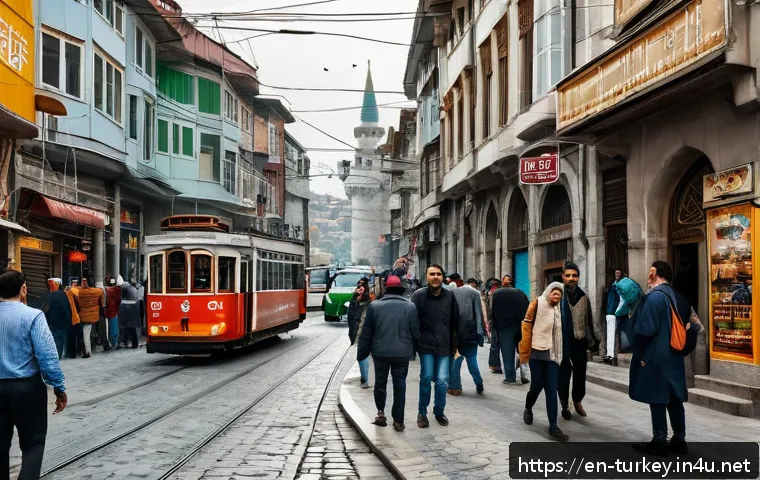
If you think Istanbul is just about the Blue Mosque and Hagia Sophia, think again. The city’s neighborhoods each have a distinct vibe that’s worth exploring.
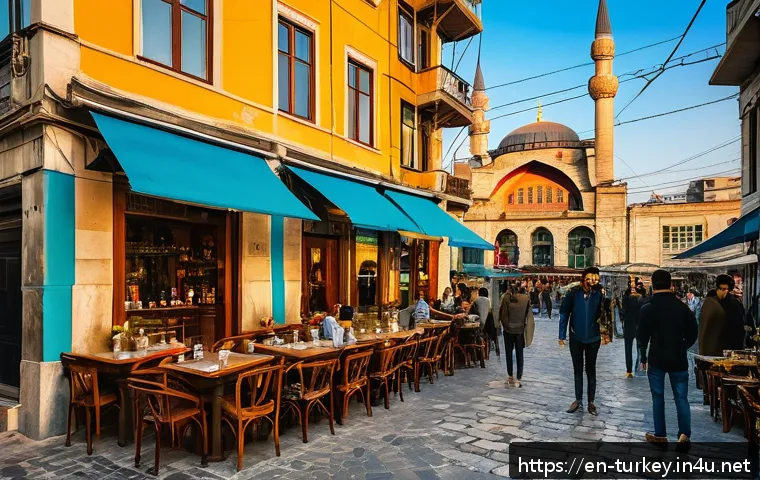
Take Karaköy for example — it’s a hip, artsy area where you’ll find quirky cafes, street art, and trendy boutiques mixed with old fish markets. Walking around here feels like stepping into a contemporary gallery fused with history.
On the other hand, Üsküdar on the Asian side offers a more traditional atmosphere with peaceful waterfront views and charming tea gardens. Locals flock here to unwind after work, sipping on çay while watching the ferries glide by.
Exploring these districts gives you a real sense of Istanbul’s layered identity, far beyond the tourist hotspots.
Hidden Corners of Cappadocia’s Landscape
Cappadocia is famous for its fairy chimneys and hot air balloons, but the region’s smaller villages hold treasures that most travelers overlook. Places like Mustafapaşa and Avanos offer quiet streets lined with stone houses and local artisan workshops.
I personally loved wandering through Avanos’ pottery studios, where craftsmen still use traditional techniques passed down through generations. It’s a perfect spot to pick up unique souvenirs and chat with locals about their craft.
The slow pace and warm hospitality in these villages contrast beautifully with the bustling balloon launch sites, providing a richer, more grounded experience of Cappadocia’s culture.
Local Markets That Tell Stories
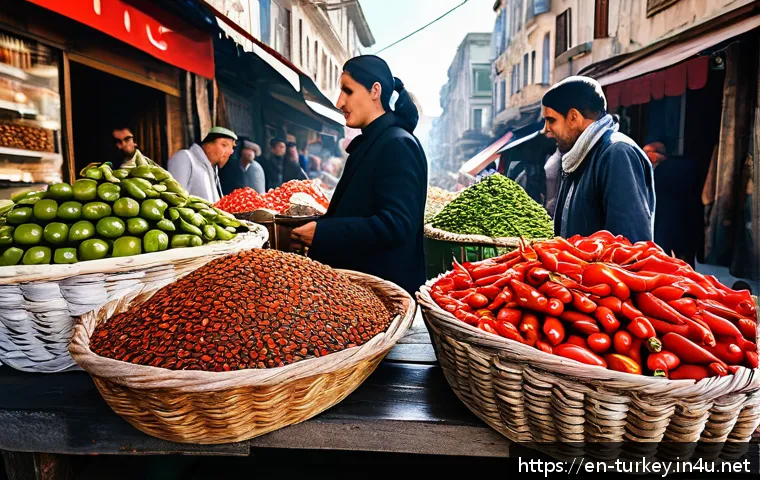
Markets are the heartbeat of any Turkish city, and visiting them with a local mindset changes everything. Instead of rushing through the Grand Bazaar, try Kadıköy Market in Istanbul’s Asian side, where you can find fresh produce, spices, and homemade delicacies sold by neighborhood vendors.
It’s less crowded and more authentic, with friendly shopkeepers eager to share stories about their products. The vibrant colors, enticing aromas, and lively bargaining create an immersive atmosphere that connects you directly with Turkish daily life.
Plus, tasting freshly baked simit or sipping strong Turkish coffee right there adds to the charm.
Indulging in Turkey’s Traditional Flavors Beyond the Tourist Menu
Street Food Gems Worth Hunting
Turkish street food is a culinary adventure in itself. While döner kebab is a global favorite, locals rave about lesser-known treats like kokoreç — seasoned lamb intestines grilled to perfection, often served in a sandwich.
It might sound intimidating, but once you try it, the smoky, spicy flavor is addictive. Another must-try is midye dolma, stuffed mussels with herbed rice, sold by vendors near the Bosphorus.
I remember grabbing some on a crisp evening, sitting by the water, and feeling completely immersed in local life. These street eats are not just food; they’re cultural experiences wrapped in flavors.
Savoring Regional Specialties
Each region in Turkey has its own culinary identity that’s best sampled on site. In Gaziantep, the birthplace of baklava, you’ll find desserts so rich and flaky that they redefine indulgence.
The city is also famous for its pistachio-based dishes and fiery red pepper sauces. Down south in Antalya, fresh seafood dominates menus, often grilled simply and served with fresh herbs and lemon.
I’ve found that ordering whatever the locals recommend leads to the most memorable meals — from hearty manti dumplings in Kayseri to tangy ayran yogurt drinks enjoyed alongside spicy kebabs.
Embracing these regional flavors adds depth to any Turkish itinerary.
Drinks That Complement Every Meal
Turkish cuisine wouldn’t be complete without its beverages, and each tells its own story. Raki, often called “lion’s milk,” is an anise-flavored spirit traditionally enjoyed with meze plates.
Drinking raki isn’t just about the alcohol; it’s a social ritual involving slow conversation and shared dishes. For non-alcoholic options, ayran is a refreshing yogurt-based drink that balances spicy flavors perfectly.
I find that sipping çay (tea) throughout the day, especially in roadside tea gardens, is one of the simplest yet most fulfilling ways to connect with Turkish culture.
These drinks elevate meals and moments alike.
Mastering the Art of Navigating Turkish Bazaars
Essential Tips for Bargaining Like a Pro
Stepping into a Turkish bazaar can feel overwhelming — the noise, colors, and crowds all competing for your attention. But bargaining here is less about haggling aggressively and more about enjoying the interaction.
Start by showing genuine interest in the item and asking questions about its origin or craftsmanship. Sellers often respond warmly to curiosity. My experience taught me that smiling and keeping the conversation friendly opens doors to better deals.
Don’t hesitate to walk away if the price feels too high; often, the seller will call you back with a lower offer. Remember, it’s as much a cultural exchange as a commercial transaction.
Must-Visit Bazaars Off the Beaten Path
While the Grand Bazaar is iconic, smaller bazaars offer more intimate experiences and unique finds. For example, the Çarşamba Market in Trabzon on the Black Sea coast is a sprawling open-air bazaar where locals buy everything from fresh produce to textiles.
It’s less touristy, so prices are fair and interactions more genuine. In Istanbul, the Spice Bazaar is a sensory delight with fragrant herbs, teas, and sweets, but nearby Kadıköy Market provides a more relaxed shopping atmosphere with plenty of local character.
Exploring these less crowded markets reveals everyday Turkish life in a vibrant, colorful way.
Understanding Traditional Crafts and Souvenirs
Many bazaar goods are handmade by artisans preserving centuries-old techniques. Carpets, ceramics, and copperware are popular items, but knowing what to look for makes a difference.
Genuine handwoven carpets have uneven knots and slight imperfections, which add to their charm and value. I once chatted with a carpet weaver who explained how each pattern tells a story about the region’s history.
Similarly, İznik ceramics feature intricate floral designs that are truly one-of-a-kind. Taking the time to learn about these crafts enriches your shopping experience and ensures you bring home meaningful souvenirs.
Experiencing Turkish Hospitality Beyond Formal Settings
Joining Local Celebrations and Festivals
One of the best ways to feel at home in Turkey is by participating in community events. Many towns host seasonal festivals celebrating everything from harvests to religious holidays.
For instance, the Whirling Dervishes festival in Konya is a mesmerizing spiritual performance not to be missed. In smaller villages, you might stumble upon weddings or street parties where locals welcome visitors with open arms, offering food, music, and dance.
I’ve found that showing respect and curiosity often leads to invitations to join these gatherings, turning strangers into friends and ordinary days into unforgettable memories.
Staying in Boutique Guesthouses and Family-Run Inns
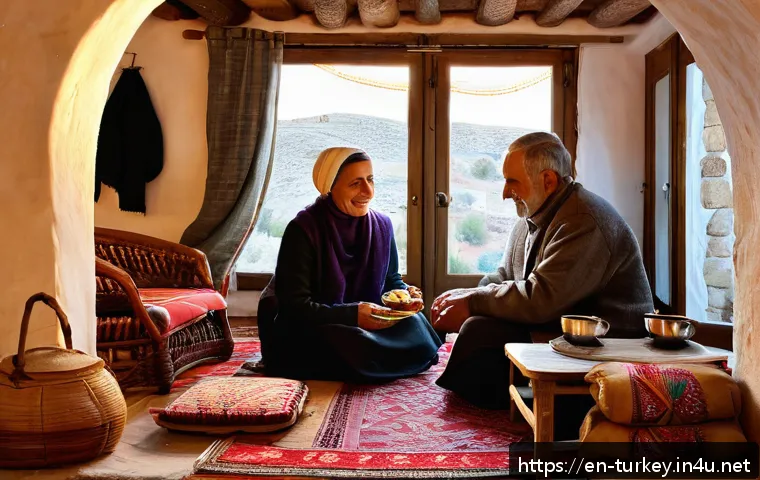
Opting for accommodations beyond large hotels can transform your trip. Boutique guesthouses often provide a glimpse into local life, with hosts who share stories, homemade breakfasts, and insider tips.
In places like Göreme or Şirince, family-run inns combine comfort with authenticity. I stayed in one where the owner’s grandmother prepared traditional breakfast dishes every morning, and guests gathered around a fireplace exchanging travel tales.
This intimate environment fosters connections and offers a warmth that typical hotels can’t match, making your stay feel personal and enriching.
Learning Basic Turkish Phrases to Connect
Even a few simple Turkish words can open doors and hearts. Greetings like “Merhaba” (hello) and “Teşekkür ederim” (thank you) go a long way in showing respect.
I recall a moment when using “Afiyet olsun” (bon appétit) at a local eatery sparked smiles and a brief conversation that deepened the meal’s enjoyment.
Turks appreciate when visitors make an effort to speak their language, no matter how basic. It signals openness and appreciation, often leading to warmer interactions and even helpful guidance from locals eager to share their culture.
Planning Practicalities for a Seamless Turkish Adventure
Best Transportation Options Within Cities
Navigating Turkey’s cities can be a breeze if you know your options. Istanbul’s public transport includes metros, trams, ferries, and buses — all accessible with the Istanbulkart, a reloadable travel card.
Taking a ferry between the European and Asian sides offers stunning views and a refreshing break from traffic jams. In smaller cities like Antalya or Izmir, dolmuş minibuses provide a cheap and flexible way to get around, though they can be crowded and fast-paced.
For more remote areas like Cappadocia, renting a car or booking guided tours is often the most convenient way to explore at your own pace.
Currency and Payment Tips
The Turkish lira (TRY) is the local currency, and while credit cards are widely accepted in touristy areas, cash remains king in markets and smaller establishments.
ATMs are plentiful in cities but can be scarce in rural areas, so it’s wise to carry some cash. When paying in cash, having small denominations helps with bargaining and tipping.
I noticed that some vendors prefer cash even if they have card machines, often to avoid fees. Also, using contactless payments or mobile wallets like Apple Pay is becoming more common, especially in cafes and hotels, providing a convenient alternative.
Health and Safety Considerations
Turkey is generally safe for travelers, but it’s smart to stay aware of your surroundings, especially in crowded places. Drinking tap water isn’t recommended, so always opt for bottled water to avoid stomach issues.
If you have dietary restrictions, learning phrases like “I’m allergic to…” or “Is this vegetarian?” in Turkish can be very helpful. I once had a mild reaction to street food and was relieved to find local pharmacies easily accessible with friendly pharmacists who spoke basic English.
Carrying a small first aid kit and travel insurance also adds peace of mind for unexpected situations.
| Category | Recommendation | Local Insight |
|---|---|---|
| Neighborhood to Explore | Karaköy (Istanbul) | Trendy art scene mixed with historic markets |
| Must-Try Street Food | Kokoreç | Grilled lamb intestines with spices, loved by locals |
| Bazaar to Visit | Kadıköy Market | Authentic, less touristy, fresh local produce |
| Drink to Experience | Raki | Traditional anise-flavored spirit, social ritual |
| Transportation Tip | Istanbulkart | Reloadable card for all public transport modes |
| Accommodation Suggestion | Family-run guesthouses | Warm hospitality with homemade meals |
Closing Thoughts
Exploring Turkey through its neighborhoods, flavors, and traditions offers a truly authentic experience beyond typical tourist paths. Embracing local customs and hidden gems allows you to connect deeply with the culture and people. Whether wandering vibrant bazaars or savoring regional dishes, Turkey’s richness unfolds in unexpected, memorable ways. This journey invites you to discover the heart of Turkey as a local would.
Useful Tips to Remember
1. Always carry some cash in small denominations for markets and tipping, as not all vendors accept cards.
2. Learning a few basic Turkish phrases can enhance your interactions and open doors to warm hospitality.
3. Use the Istanbulkart or similar local travel cards to navigate public transport efficiently and affordably.
4. Try regional specialties and street foods recommended by locals to truly taste Turkey’s diverse culinary landscape.
5. When bargaining in bazaars, maintain a friendly attitude and show genuine interest to build rapport and get better deals.
Key Takeaways for Your Trip
Understanding Turkey’s cultural nuances and practical travel tips will enrich your visit and keep it smooth. Choose accommodations that offer local charm to deepen your connection with the community. Prioritize safety by drinking bottled water and carrying basic health supplies. Embrace slower moments in less touristy neighborhoods for a more genuine experience. Finally, be open, respectful, and curious—these qualities transform ordinary travel into unforgettable memories.
Frequently Asked Questions (FAQ) 📖
Q: What are some must-try local experiences in Turkey beyond the typical tourist attractions?
A: If you want to experience Turkey like a local, start by exploring neighborhood markets where locals shop daily. For example, Kadıköy in Istanbul offers an authentic vibe with street food stalls, fresh produce, and vibrant cafés.
Don’t miss trying traditional dishes such as menemen (Turkish-style scrambled eggs) for breakfast or sampling gözleme (savory stuffed flatbread) from a street vendor.
Additionally, take a ferry ride on the Bosphorus to see the city from a unique perspective, mingling with locals commuting between Europe and Asia. These experiences go beyond the usual spots and give you a real taste of everyday Turkish life.
Q: How can I navigate Turkish bazaars without feeling overwhelmed or getting lost?
A: Turkish bazaars like the Grand Bazaar can be a maze, but embracing the chaos is part of the charm. My tip is to start early in the morning when it’s less crowded and take your time strolling through different sections.
Don’t hesitate to engage with shopkeepers—they often enjoy sharing stories and may offer you tea, which is a great way to connect. Also, have some small Turkish lira notes handy for bargaining; it’s expected and part of the fun.
Lastly, focus on a few key items you’re interested in—like spices, ceramics, or textiles—so you don’t get overwhelmed by the sheer variety.
Q: What’s the best way to explore Cappadocia’s landscapes while avoiding tourist crowds?
A: To truly soak in Cappadocia’s magical scenery without the crowds, consider visiting lesser-known valleys like Ihlara or Soganli instead of the more popular Göreme and Love Valley.
Renting a car or hiring a local guide can open doors to hidden spots and authentic villages where tourists rarely venture. Also, try early morning or late afternoon hikes to enjoy stunning light for photos and a peaceful atmosphere.
Staying in a cave hotel in a smaller town rather than in Göreme itself can also give you a quieter, more intimate experience of the region’s unique charm.