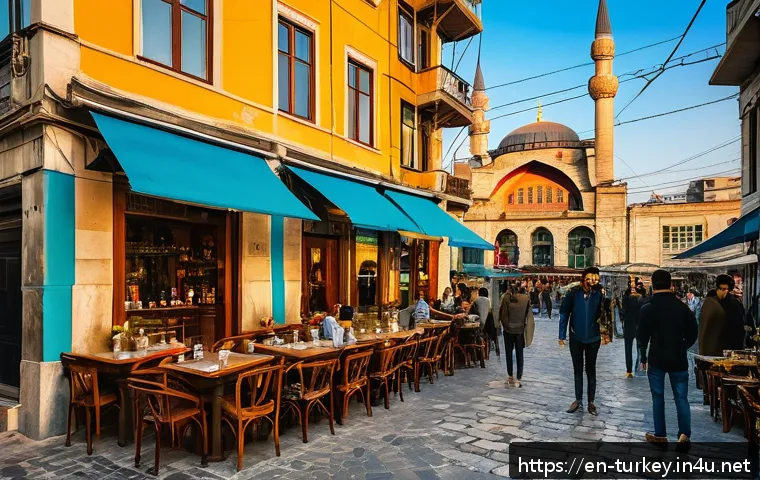
With travel slowly regaining momentum worldwide, Turkey continues to captivate adventurers seeking a rich blend of history, culture, and stunning landscapes.

Yet, exploring this vibrant country like a local means more than just visiting popular landmarks—it requires an understanding of safety nuances that can enhance your experience and peace of mind.
From navigating bustling bazaars to venturing into hidden gems off the beaten path, knowing essential safety tips is key to making your journey smooth and memorable.
Let’s dive into practical advice that will help you travel confidently and truly connect with Turkey’s unique spirit.
Mastering the Art of Street Navigation in Turkey
Understanding Local Traffic and Pedestrian Patterns
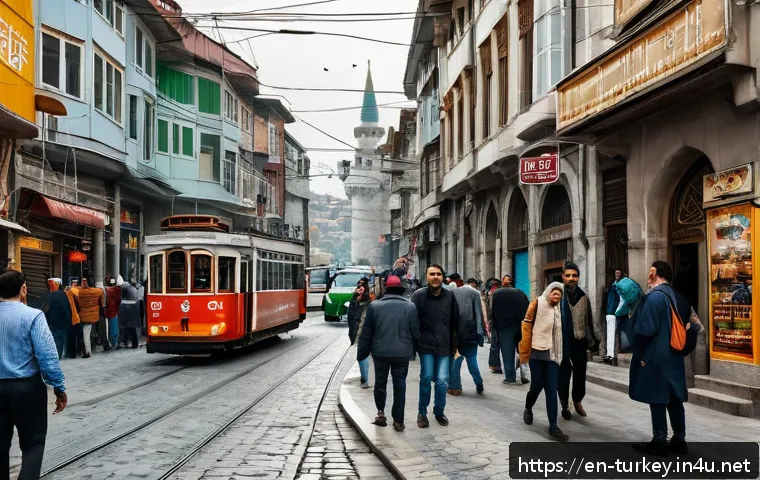
When wandering through Turkey’s cities, especially Istanbul or Izmir, it’s easy to be overwhelmed by the chaotic flow of traffic. Drivers often weave through narrow streets with little regard for traffic lights, and pedestrians frequently cross outside designated zones.
From my experience, the best approach is to stay alert and make eye contact with drivers before crossing. It’s a subtle form of communication that helps avoid misunderstandings.
Always use pedestrian crossings where possible, but don’t be surprised if cars don’t stop immediately—patience and assertiveness go hand in hand here.
Tips for Using Public Transport Safely and Efficiently
Public transport in Turkey is affordable and convenient, but it’s important to remain vigilant, especially during rush hours when buses and trams get packed.
I learned early on to keep my belongings close and be mindful of pickpockets, who tend to operate in crowded vehicles. Using official apps for ticket purchases and route planning can save you from confusion and unnecessary delays.
Also, avoid boarding unofficial taxis or shared rides without confirming their legitimacy—this simple step can spare you from scams or unsafe rides.
How to Dress and Behave to Blend In
Blending in with locals not only enriches your experience but also minimizes unwanted attention. I found that dressing modestly, especially when visiting religious sites or rural areas, is highly appreciated.
Avoid flashy jewelry or carrying expensive gadgets openly, which can make you a target. Observing local customs, such as greeting with a nod or a simple “Merhaba,” goes a long way in building rapport and signaling respect, which often translates to a safer, friendlier experience.
Choosing Accommodation with Safety in Mind
Neighborhoods to Consider for a Secure Stay
Where you stay can significantly affect your sense of security. In cities like Istanbul, districts such as Sultanahmet and Kadıköy are generally safe and tourist-friendly, offering a balance of accessibility and tranquility.
From personal stays, I noticed that avoiding isolated areas after dark is crucial, even if your hotel seems well-rated. Researching recent traveler reviews and local news can provide real-time insights into the neighborhood’s safety climate.
Security Features Worth Prioritizing
When booking accommodation, I always look for properties with 24-hour reception, secure entry systems, and in-room safes. These features might seem minor but are essential for peace of mind, especially if you’re traveling solo.
Many boutique hotels and guesthouses now offer digital key cards and CCTV surveillance, which add extra layers of protection. Don’t hesitate to ask hosts about emergency protocols or nearby medical facilities—it’s better to be informed ahead of time.
How to Handle Unexpected Situations at Your Lodging
Sometimes, issues arise despite all precautions. In one instance, I experienced a power outage late at night in a small pension. Staying calm and communicating clearly with the staff made the situation manageable.
Always keep emergency contact numbers handy and know your hotel’s evacuation routes. If you feel uncomfortable at any point, trust your instincts and consider relocating to another accommodation rather than risking your safety.
Staying Alert in Popular Tourist Spots and Markets
Common Scams and How to Avoid Them
Tourist hotspots like the Grand Bazaar or Hagia Sophia attract not just travelers but also opportunists. Common scams include overcharging, fake guides, and distraction thefts.
I recall being approached multiple times by “friendly” locals offering unsolicited help, which often ended with pressured sales. The best defense is a firm but polite refusal and sticking to official guides or vendors.
Keeping small bills handy also helps avoid being shortchanged.
Managing Crowds Without Losing Your Cool
Tourist attractions can get overwhelmingly crowded, especially during peak seasons. From my experience, visiting early in the morning or late afternoon helps beat the throngs and reduces stress.
Carrying a lightweight backpack instead of bulky bags allows you to move freely. Also, designate a meeting point with your travel companions in case anyone gets separated, which is a simple yet effective precaution.
Respectful Interaction with Locals
Engaging positively with locals often translates to smoother, safer interactions. I’ve noticed that showing genuine interest in Turkish culture—asking about food, traditions, or history—can break down barriers.
However, it’s important to avoid sensitive topics like politics or religion unless you know the person well. A friendly demeanor and patience go a long way in establishing trust, which enhances your overall safety.
Practical Tips for Exploring Rural and Remote Areas
Preparing for Limited Connectivity
Venturing beyond cities means facing patchy mobile signals and fewer English speakers. I always download offline maps and carry a local SIM card with data to stay connected.
Informing someone about your itinerary is crucial when trekking or visiting villages. Power banks and extra batteries can be lifesavers in remote areas where charging options are scarce.
Choosing Reliable Local Guides
Hiring a local guide not only enriches your understanding but ensures safer navigation through unfamiliar terrain. I’ve found that recommendations from fellow travelers or verified online platforms lead to trustworthy guides.
A good guide is familiar with the area’s geography, emergency contacts, and cultural sensitivities, which can be invaluable in case of unexpected situations.
Packing Essentials for Safety and Comfort
When heading off the beaten path, packing smart is essential. Besides water, snacks, and weather-appropriate clothing, I always bring a basic first-aid kit and a flashlight.
Sturdy shoes are a must, as terrain can be uneven and challenging. Carrying a whistle or personal alarm might feel excessive, but they provide an extra layer of security when you’re alone or in less populated areas.
Understanding Health Precautions and Emergency Preparedness
Vaccinations and Health Insurance Recommendations
Before traveling to Turkey, I made sure my routine vaccinations were up to date and looked into additional immunizations like Hepatitis A and Typhoid, which are recommended for travelers.
Having comprehensive travel health insurance proved invaluable when I needed medication during a minor illness. Always carry a copy of your insurance policy and emergency contact numbers.
Accessing Medical Services Quickly
Turkey has a good network of hospitals and clinics, but language barriers can complicate matters. I found it helpful to learn a few basic Turkish medical phrases and use translation apps in emergencies.
Major cities have international hospitals with English-speaking staff, but in rural areas, it’s best to identify the closest healthcare facility before setting out.
Dealing with Food and Water Safety
Turkish cuisine is a highlight, but it’s wise to be cautious with street food and tap water. I usually stick to bottled water and eat at well-reviewed restaurants or food stalls that appear busy and clean.
If you have a sensitive stomach, carrying probiotics or medication for digestive issues can prevent discomfort. Being mindful of hygiene practices around food vendors is a simple yet effective way to avoid health problems.
Keeping Valuables Secure and Handling Money Wisely
Smart Ways to Carry Cash and Cards
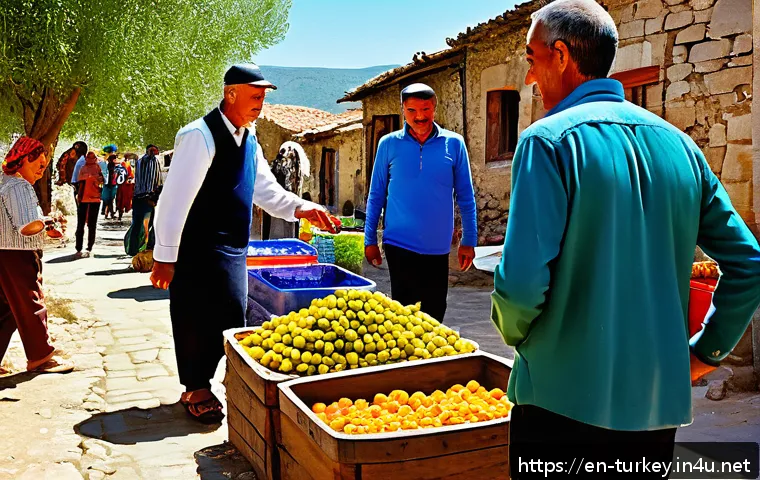
Handling money smartly can prevent theft and loss. I prefer dividing cash between different pockets and using money belts under clothing for added security.
Credit and debit cards are widely accepted in urban areas, but always have some cash on hand for smaller purchases or remote locations. Notify your bank before traveling to avoid card blocks.
Using ATMs Safely
ATMs in busy areas are generally safe, but it’s best to avoid machines in isolated spots or late at night. Observing your surroundings and shielding your PIN are simple habits that reduce risk.
Using machines attached to banks rather than standalone ones adds an extra layer of security.
Protecting Your Digital Devices
Smartphones and cameras are invaluable travel tools but can attract unwanted attention. I avoid using expensive gadgets openly in crowded places and always back up photos daily.
Using password protection, VPNs on public Wi-Fi, and enabling device tracking features provide peace of mind. In hotels, I use in-room safes for storing devices when not in use.
| Safety Tip | Practical Advice | Why It Matters |
|---|---|---|
| Stay Alert in Traffic | Make eye contact with drivers, use crosswalks | Reduces risk of accidents in chaotic traffic |
| Secure Accommodation | Choose hotels with 24/7 reception, safes | Protects belongings and ensures quick help if needed |
| Beware of Scams | Use official guides, avoid unsolicited offers | Prevents financial loss and stress |
| Prepare for Rural Travel | Download offline maps, pack first-aid kits | Ensures safety and comfort in remote areas |
| Health Precautions | Get vaccinations, carry health insurance info | Prevents illness and eases access to care |
| Money Handling | Use money belts, split cash, notify banks | Minimizes theft risk and financial inconvenience |
Communication Tips for Enhancing Safety
Learning Key Turkish Phrases
Even a handful of Turkish phrases can dramatically improve your interactions and safety. I found that knowing words like “help” (yardım), “police” (polis), or “emergency” (acil) helped me feel more confident navigating unfamiliar situations.
Locals appreciate travelers who make an effort with their language, which often results in more genuine assistance when needed.
Using Technology to Stay Connected
Apps like Google Translate, local transit apps, and emergency contact apps are invaluable. I rely heavily on these to overcome language barriers and find the fastest routes.
Setting up a local SIM card with data ensures you can call for help or check in with family anytime. Sharing your location with a trusted contact is another simple step that adds a layer of security.
Knowing When and How to Ask for Help
Sometimes, despite all preparation, you might find yourself in a tricky spot. I learned that approaching uniformed police officers or staff at official venues is usually safe and effective.
In emergencies, dialing 112 connects you to ambulance, police, and fire services. Staying calm and speaking clearly—even if your Turkish isn’t perfect—usually prompts a helpful response.
Weather Awareness and Seasonal Safety Considerations
Adapting to Turkey’s Varied Climate
Turkey’s climate varies widely, from hot Mediterranean summers to snowy winters in the interior. Traveling during shoulder seasons like spring or autumn can be more comfortable and less crowded.
I always check the local weather forecast to pack accordingly—bringing sun protection during summer and layers for chilly evenings. Being prepared for sudden weather changes can prevent discomfort or health issues.
Dealing with Natural Hazards
Earthquakes are a known risk in Turkey, so I familiarize myself with basic safety drills and emergency exits in buildings. Flash floods and strong winds can also occur, especially in coastal regions.
When hiking or exploring natural sites, I pay attention to warnings and avoid risky areas during bad weather. Staying informed through local news or apps helps me adjust plans quickly.
Seasonal Festivals and Crowds
Turkey hosts vibrant festivals year-round, which are fantastic cultural experiences but can also mean large crowds and busy public spaces. I recommend planning your visits around these events to either enjoy them fully or avoid overwhelming crowds, depending on your preference.
Staying hydrated and keeping your belongings secure during festivals is especially important.
Building Cultural Respect for a Safer Journey
Understanding Social Norms and Etiquette
Respecting Turkish customs not only enriches your experience but also safeguards you from unintended offenses. For example, removing shoes when entering someone’s home or a mosque is standard practice.
I learned that dressing modestly in religious sites and avoiding public displays of affection contribute to positive interactions. Observing these norms made locals more welcoming and my travels smoother.
Approaching Religious and Historical Sites
Many of Turkey’s treasures are sacred or historically significant. I always read guidelines before visiting and follow staff instructions carefully. Speaking softly, avoiding flash photography where prohibited, and not touching artifacts show respect.
These small acts help preserve the sites and foster goodwill from caretakers and fellow visitors alike.
Engaging with Local Traditions Safely
Participating in local customs, such as tea ceremonies or traditional markets, is a highlight but requires sensitivity. I usually ask permission before taking photos of people or ceremonies.
Being patient and open-minded when customs differ from my own helped me avoid awkward situations and even build friendships. This respectful attitude creates a safer and more rewarding travel experience.
In Conclusion
Traveling through Turkey offers a rich and vibrant experience, but staying safe requires awareness and preparation. By understanding local customs, navigating traffic cautiously, and choosing secure accommodations, you can enjoy your journey with confidence. Embracing cultural respect and practical safety tips ensures a smoother, more rewarding adventure.
Useful Information to Keep in Mind
1. Always stay alert when crossing streets and make eye contact with drivers to navigate busy traffic safely.
2. Use official public transport apps and verified taxi services to avoid confusion and scams.
3. Dress modestly and respect local customs to blend in and foster positive interactions.
4. Prepare for limited connectivity in rural areas by downloading offline maps and carrying essentials like a first-aid kit.
5. Learn basic Turkish phrases related to emergencies and keep emergency contacts handy for quick assistance.
Key Takeaways for a Safe and Enjoyable Trip
Prioritize your safety by selecting accommodations with strong security features and researching neighborhood conditions beforehand. Stay vigilant against common scams in tourist hotspots by relying on official guides and maintaining control of your belongings. Embrace cultural respect by following local etiquette and approaching interactions with openness and patience. Lastly, prepare for varying climates and natural hazards to ensure your comfort and well-being throughout your travels in Turkey.
Frequently Asked Questions (FAQ) 📖
Q: uestions about Traveling Safely in TurkeyQ1: How can I stay safe while exploring crowded places like bazaars and markets in Turkey?
A: When visiting bustling bazaars such as the Grand Bazaar in Istanbul, it’s important to stay vigilant about your belongings. Pickpocketing can happen in crowded areas, so I always recommend using a crossbody bag with secure zippers and keeping it in front of you.
Also, avoid displaying expensive jewelry or gadgets openly. Trust your instincts—if a situation feels off, it’s best to move on. Engaging politely with local vendors and learning a few basic Turkish phrases can also help you navigate these lively spaces more confidently and respectfully.
Q: Are there any specific safety precautions for travelers venturing into less touristy or remote areas of Turkey?
A: Absolutely. While Turkey’s hidden gems offer incredible experiences, they sometimes lack the infrastructure and security of major cities. Before heading off the beaten path, I always suggest informing someone about your itinerary and expected return time.
Carry a fully charged phone with emergency contacts saved, including local authorities. It’s wise to travel during daylight hours and avoid isolated spots after dark.
Hiring a local guide can be a game changer, as they provide not only safety but also rich insights into the culture and landscape that you might miss on your own.
Q: What should I know about general personal safety and cultural etiquette to avoid misunderstandings in Turkey?
A: Respecting local customs goes a long way in ensuring a smooth trip. For example, dressing modestly when visiting religious sites shows respect and helps you avoid unwanted attention.
Public displays of affection are usually frowned upon, so it’s best to be discreet. If you’re invited into someone’s home or a small café, accepting tea or a small treat is a polite gesture.
On the safety side, always keep an eye on your surroundings, avoid excessive alcohol consumption in unfamiliar areas, and use official taxis or ride-hailing apps to get around safely.
These simple practices helped me feel secure and welcomed throughout my travels in Turkey.