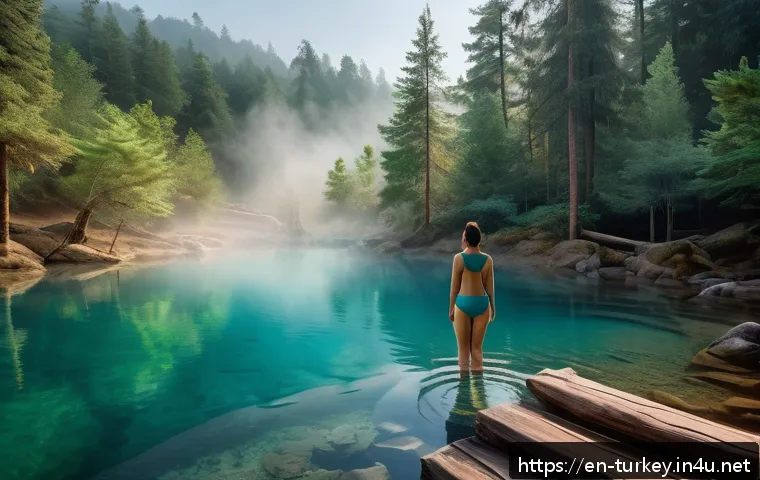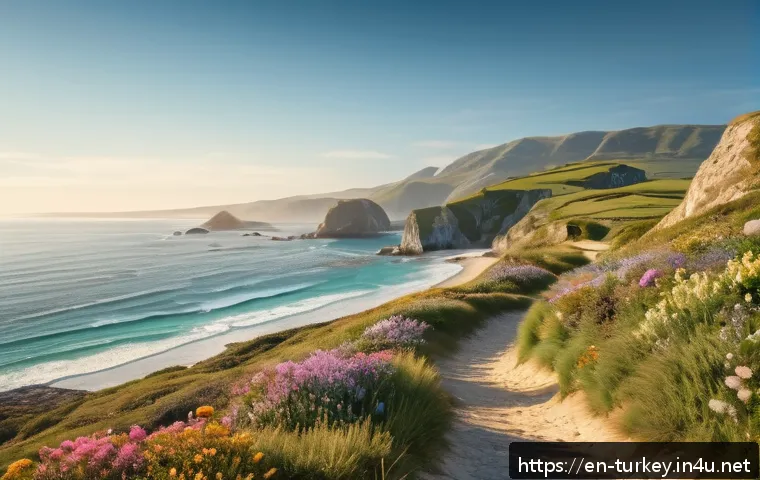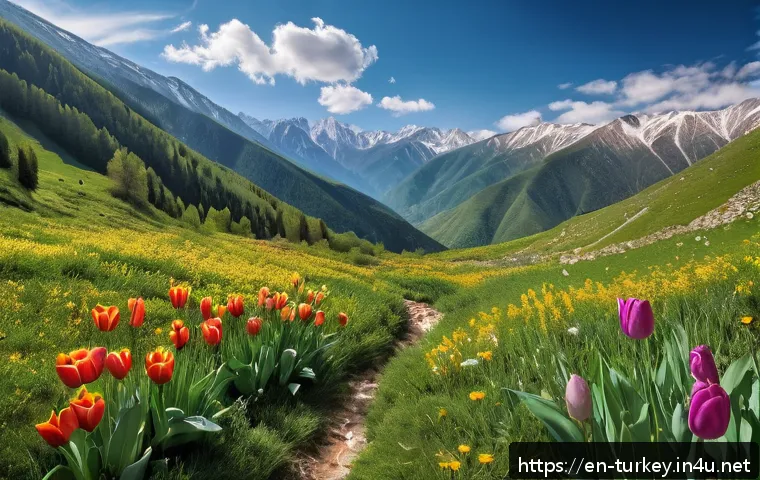
Lately, the world has been buzzing about the importance of preserving natural habitats, and Turkey’s untouched wilderness offers a perfect escape into serene landscapes rarely seen by travelers.
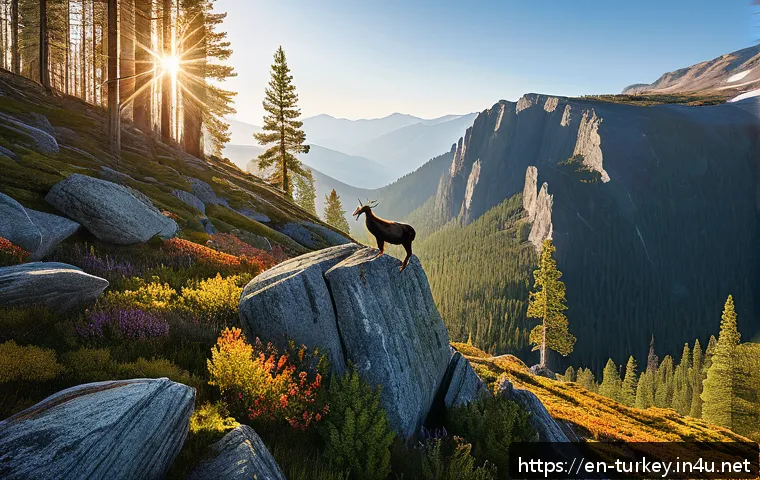
If you’ve been craving an adventure that blends raw nature with a sense of discovery, you’re in for a treat. These hidden reserves are not just scenic spots but living ecosystems that tell stories of biodiversity and ancient landscapes.
Join me as we explore these secret corners of Turkey, where every step feels like a journey back to nature’s purest form. Trust me, this is one travel experience that will leave you inspired and craving more.
Discovering Turkey’s Hidden Wilderness Gems
Exploring the Remote Corners of the Kaçkar Mountains
The Kaçkar Mountains, tucked away in northeastern Turkey, remain one of the least disturbed natural areas in the region. Trekking through its dense forests and alpine meadows feels like stepping into another world—wildflowers carpeting the ground, the distant call of birds echoing through the valleys, and crystal-clear streams weaving through the landscape.
What struck me most was the sense of solitude; it’s a place where the noise of modern life fades away completely. Local villagers still maintain traditional lifestyles here, adding a cultural richness to the natural beauty.
I found that spending time in Kaçkar not only rejuvenated my spirit but also deepened my appreciation for ecosystems that thrive without heavy human interference.
Wildlife Encounters in the Munzur Valley
Munzur Valley National Park is a sanctuary for many endangered species and one of Turkey’s premier spots for wildlife enthusiasts. Walking along the rugged trails, I was lucky enough to spot wild goats gracefully navigating the rocky terrain and even caught glimpses of rare birds like the golden eagle soaring overhead.
The park’s biodiversity is impressive, ranging from dense forests to alpine habitats. What makes Munzur Valley truly special is how it blends untouched wilderness with accessibility, allowing visitors to witness nature’s raw power firsthand without feeling overwhelmed.
The conservation efforts here are tangible, and every visit supports ongoing protection of this vital habitat.
Unique Flora and Fauna That Define Turkey’s Wilderness
Botanical Treasures in the Taurus Mountains
The Taurus Mountains boast an extraordinary variety of plant species, many of which are endemic to the region. During my hikes, I encountered vibrant wild tulips, ancient juniper trees, and rare orchids peeking out from moss-covered rocks.
The diversity of flora here is a living testament to the geological and climatic history of the area. It felt like uncovering a secret garden where every plant had a story.
Local herbalists still rely on these plants for traditional remedies, which adds a fascinating cultural layer to the ecological richness.
Endemic Species That Call Turkey Home
Turkey’s unique position at the crossroads of Europe and Asia creates an extraordinary mix of wildlife found nowhere else. For example, the Anatolian leopard, once thought extinct in the wild, has been spotted in some of the most remote wilderness areas.
Additionally, amphibians like the Taurus frog and bird species such as the Cyprus wheatear highlight the ecological importance of preserving these habitats.
Spending time in these environments reminded me how fragile and precious these species are, motivating me to support local conservation initiatives whenever possible.
Immersive Hiking Trails Through Untouched Landscapes
Multi-Day Treks Across the Aladaglar Range
One of the most rewarding experiences I had was hiking through the Aladaglar Range, a rugged and dramatic mountain area filled with deep canyons and soaring peaks.
The trails are challenging but incredibly rewarding, offering panoramic views that few tourists ever get to see. Each day brought new discoveries—from hidden waterfalls to ancient ruins nestled in the valleys.
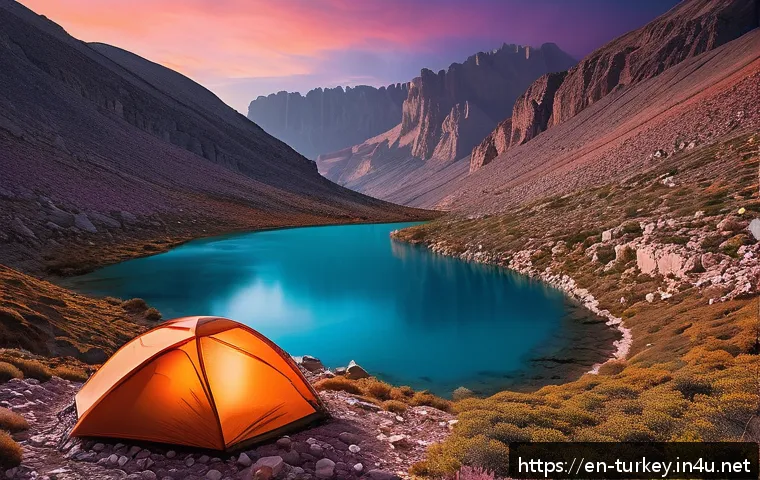
I often camped under the stars, surrounded by the silence and vastness of the wilderness. This kind of immersive adventure is perfect for travelers who want to disconnect fully and test their limits in nature’s embrace.
Accessible Nature Walks in the Dilek Peninsula
For those who prefer gentler exploration, the Dilek Peninsula offers well-marked trails through pine forests and along the Aegean coastline. The scent of wild herbs fills the air, and the turquoise waters below create a stunning contrast with the green hillsides.
I particularly enjoyed the opportunity to spot sea turtles nesting on secluded beaches. It’s a great destination for families or casual hikers who want to enjoy natural beauty without the intensity of high-altitude trekking.
Local Communities and Conservation Efforts
How Villages Support Environmental Stewardship
In many of Turkey’s wilderness areas, local communities play a vital role in protecting their environment. I visited several mountain villages where traditional farming and livestock practices coexist harmoniously with conservation goals.
These residents often act as guardians of the land, using their ancestral knowledge to manage resources sustainably. Engaging with locals gave me insight into how culture and nature are intertwined here, and it reinforced the importance of community-led conservation efforts.
Volunteer Opportunities for Eco-Conscious Travelers
For travelers eager to give back, several organizations offer volunteer programs focused on habitat restoration, wildlife monitoring, and environmental education.
Participating in these initiatives not only enriches your experience but also contributes tangibly to preserving Turkey’s natural heritage. From planting native trees to helping track endangered species, these hands-on activities create meaningful connections between visitors and the land.
Seasonal Highlights and Best Times to Visit
Spring Blossoms and Wildlife Awakening
Springtime is arguably the most magical season to explore Turkey’s wild areas. After the winter thaw, the landscape bursts into color with wildflowers, and many animals emerge from hibernation.
I found that visiting in April or May offers the perfect balance of mild weather and vibrant ecosystems. Streams run full, and bird song fills the air, making every hike feel alive with energy.
Autumn’s Golden Palette and Quiet Trails
Autumn brings a different kind of beauty, with forests turning fiery shades of red, orange, and gold. I particularly enjoyed late October treks when the crowds had thinned, and the crisp air made walking even more refreshing.
This season also offers excellent opportunities for mushroom foraging and spotting migratory birds preparing for their journeys south.
| Season | Key Features | Best Activities | Wildlife Highlights |
|---|---|---|---|
| Spring | Blooming wildflowers, full streams | Hiking, birdwatching, photography | Songbirds, amphibians, butterflies |
| Summer | Warm temperatures, lush greenery | Camping, mountain climbing, river swimming | Wild goats, reptiles, insects |
| Autumn | Colorful foliage, cooler weather | Hiking, mushroom foraging, bird migration spotting | Migratory birds, mammals preparing for winter |
| Winter | Snow-covered peaks, quiet trails | Snowshoeing, photography, peaceful solitude | Rare sightings of winter-adapted species |
Planning Your Trip: Practical Tips for Wilderness Exploration
Essential Gear for Comfort and Safety
From my experience, investing in good hiking boots and layered clothing is a must. Weather in Turkey’s wilderness can change rapidly, so waterproof jackets and thermal layers saved me more than once.
A sturdy backpack with hydration options and a reliable map or GPS device also made a huge difference. Don’t forget insect repellent and sun protection—nature is beautiful, but it can be unforgiving without preparation.
Respecting Nature and Local Customs
One thing I quickly learned is the importance of treading lightly. Always stick to marked trails to minimize your impact on fragile ecosystems. When passing through villages, a friendly greeting and curiosity about local traditions go a long way.
Supporting local businesses by buying handmade crafts or sampling regional cuisine not only enriches your journey but also helps sustain these communities.
Connecting with Local Guides for Deeper Insights
Hiring a local guide transformed my trips from simple hikes into immersive cultural and ecological experiences. These experts know the terrain intimately and share stories that you won’t find in any guidebook.
Beyond safety, they can point out rare plants, track animal footprints, and explain the significance of ancient ruins hidden in the wilderness. It’s an investment that makes every moment more meaningful and memorable.
In Conclusion
Exploring Turkey’s hidden wilderness offers a unique chance to reconnect with nature and experience untouched beauty. From the rugged peaks of the Kaçkar Mountains to the serene trails of the Dilek Peninsula, each destination reveals its own story and charm. Embracing local culture alongside stunning landscapes enriches every adventure. Whether you seek solitude or wildlife encounters, Turkey’s wilderness truly captivates the soul.
Useful Tips to Remember
1. Pack versatile gear suitable for sudden weather changes, including waterproof layers and sturdy boots.
2. Respect local customs and traditions by engaging warmly with village communities you visit.
3. Stick to marked trails to protect fragile ecosystems and minimize your environmental impact.
4. Consider hiring local guides to gain deeper insights into the landscape, wildlife, and cultural heritage.
5. Plan your visit according to seasonal highlights to experience the best of Turkey’s natural beauty.
Key Takeaways
Turkey’s wilderness is a treasure trove of biodiversity and cultural richness, preserved through community stewardship and dedicated conservation efforts. Proper preparation and mindful travel enhance both safety and enjoyment while supporting sustainable tourism. Engaging with local experts and respecting the environment are essential for an authentic and responsible wilderness experience.
Frequently Asked Questions (FAQ) 📖
Q: What makes Turkey’s untouched wilderness different from other natural destinations?
A: Turkey’s untouched wilderness stands out because it offers a rare combination of diverse ecosystems, from dense forests and rugged mountains to pristine coastal areas.
Unlike more commercialized destinations, these areas remain largely unspoiled by mass tourism, allowing visitors to experience nature in its rawest form.
The biodiversity is impressive, featuring unique flora and fauna that you won’t easily find elsewhere. Personally, trekking through these remote reserves felt like stepping into a living museum of natural history, where every sight and sound tells a story.
Q: When is the best time to visit these hidden natural reserves in Turkey?
A: The ideal time to explore Turkey’s natural reserves depends on what you want to experience, but generally, spring (April to June) and autumn (September to November) offer the best weather.
During these months, temperatures are comfortable for hiking and outdoor activities, and the landscapes are at their most vibrant with blooming wildflowers or colorful foliage.
I visited in early autumn and found the trails peaceful and refreshing, with fewer crowds and stunning sunsets that made the whole adventure even more memorable.
Q: How can travelers ensure they respect and preserve these fragile ecosystems while visiting?
A: Respecting these natural habitats starts with simple but crucial practices: stick to marked trails to avoid disturbing wildlife, carry out all your trash, and avoid picking plants or feeding animals.
It’s also important to use eco-friendly products and minimize noise to keep the environment as undisturbed as possible. From my experience, local guides are invaluable—they not only enhance your understanding of the ecosystem but also help reinforce responsible behaviors.
Supporting local conservation efforts or eco-tourism initiatives can make your visit meaningful beyond just sightseeing.