Football in Turkey is more than just a sport—it’s a powerful expression of community, passion, and national pride. As the country continues to invest in world-class stadiums, these iconic arenas have become landmarks that echo the spirit of millions of devoted fans.
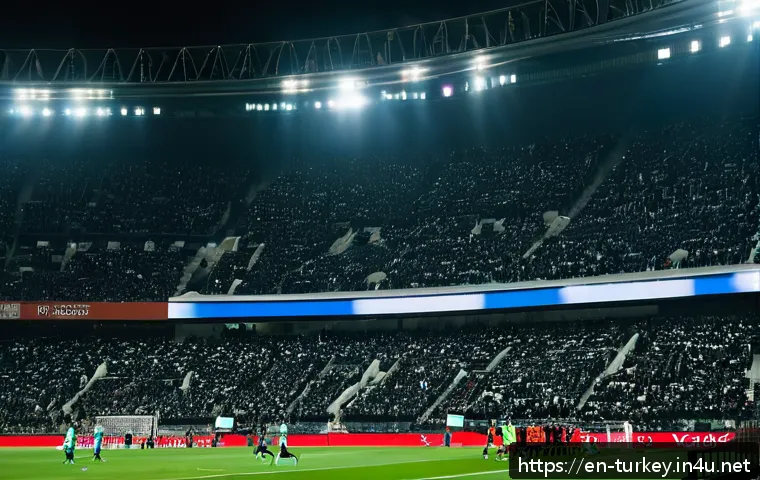
Whether you’re a die-hard supporter or a curious traveler, exploring Turkey’s football culture offers a unique glimpse into its vibrant social fabric.
In this post, we’ll dive into the stadiums that not only host thrilling matches but also tell stories of history, resilience, and unity. Stay tuned to discover how these venues shape the heart of Turkish football today.
The Pulse of Turkish Football: A Community United
Local Fervor Beyond the Pitch
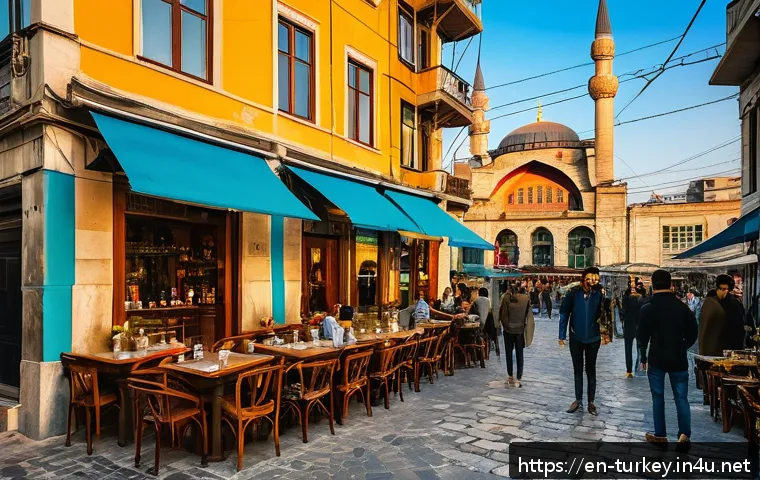
Football in Turkey is not confined to the ninety minutes of gameplay; it’s a living, breathing part of everyday life. In neighborhoods across Istanbul, Ankara, and beyond, match days transform streets into vibrant scenes of camaraderie.
Fans gather in local cafés, homes, and public squares, sharing not only the thrill of the game but also the collective joy and heartbreak that come with it.
I’ve witnessed how a single goal can spark spontaneous celebrations that last well into the night, illustrating how deeply football is woven into the social fabric.
Generations Bonded by Football
One of the most touching aspects I’ve noticed is how football bridges generations. Grandparents pass down tales of legendary matches and players to their grandchildren, who in turn bring fresh energy to the stands.
This tradition is visible everywhere—from the colorful scarves worn proudly by young children to the seasoned chants echoed by elderly fans. It’s this intergenerational connection that makes Turkish football stadiums feel like extended family gatherings, where everyone shares a common passion.
The Role of Local Clubs in Shaping Identity
Each football club in Turkey carries its own unique identity that reflects the community it represents. Supporting a local club is almost like affirming one’s place in the world.
For example, clubs like Galatasaray, Fenerbahçe, and Beşiktaş don’t just compete for trophies; they carry the pride and hopes of millions. I’ve found that attending matches is an immersive experience where loyalty is palpable, and the atmosphere electrifying, making every game feel like a historic event.
Architectural Marvels That Tell Stories
Modern Stadiums with Historical Roots
Turkey’s stadiums are architectural feats that blend modern design with deep historical significance. Take the Atatürk Olympic Stadium in Istanbul, for instance.
It’s not just a venue but a symbol of Turkey’s ambitions on the global football stage. Walking through its corridors, you can sense the echoes of countless memorable moments.
Similarly, the Şükrü Saracoğlu Stadium, home to Fenerbahçe, is a place where the passion of fans meets decades of tradition.
Fan Experience and Stadium Atmosphere
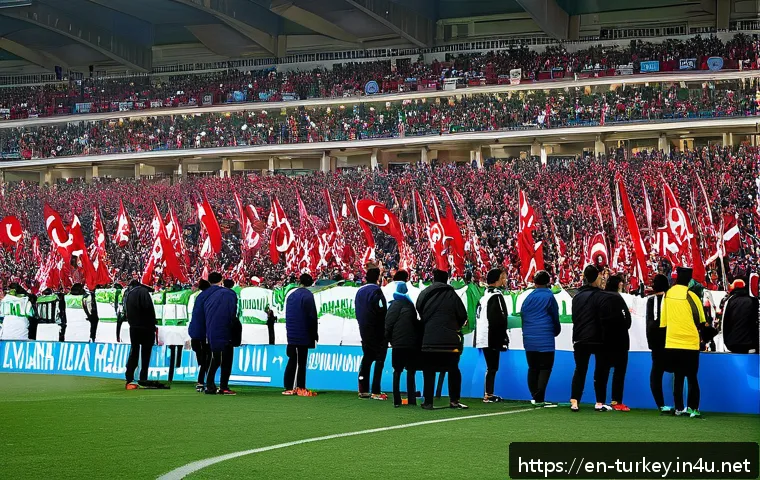
What struck me most during visits to Turkish stadiums is the intense atmosphere created by the fans. The design of these arenas often amplifies chants, drums, and cheers, turning every match into a sensory spectacle.
I recall sitting among thousands of supporters whose voices united into a powerful roar that made even the coldest visitor feel part of something extraordinary.
These stadiums are designed not just for the game but to enhance this unique communal energy.
Stadiums as Cultural Landmarks
Beyond football, stadiums in Turkey serve as cultural hubs. Many host concerts, festivals, and community events, making them integral to the city’s identity.
The integration of art and technology within these venues reflects a forward-thinking approach while respecting traditional values. I’ve seen how locals take pride in these multipurpose spaces, which contribute to the city’s vibrancy year-round, not just on match days.
Rivalries That Fuel Passion and Unity
Historic Derbies and Their Emotional Charge
The fierce rivalries between Turkey’s major clubs are legendary, and attending a derby match is an unforgettable experience. The intensity in the air before kickoff is palpable, with fans donning their colors and chanting in unison.
I’ve been at games where the tension and excitement build to a crescendo, creating moments of pure adrenaline and collective euphoria. These rivalries do more than pit teams against each other—they unite fans in shared identity and fierce loyalty.
Respect and Sportsmanship Amid Rivalries
Despite the heated competition, I’ve observed a surprising level of respect among Turkish football fans. Rival supporters often acknowledge each other’s passion, and there’s a mutual understanding that football is a shared love.
This dynamic adds a layer of complexity and maturity to the intense rivalries, showing that beneath the fierce loyalty lies a broader community that respects the sport’s spirit.
Impact on Local Economy and Tourism
Derby matches and big games have a significant economic impact. Hotels fill up, restaurants thrive, and local vendors benefit from the influx of fans.
I’ve noticed how cities like Istanbul come alive during these events, with visitors from around the world eager to experience the unique atmosphere. This blend of sport and tourism not only boosts local businesses but also showcases Turkey’s rich cultural heritage on a global stage.
Investment and Innovation in Football Infrastructure
Government and Private Sector Collaboration
Turkey’s commitment to football infrastructure is evident in the ambitious projects supported by both public and private sectors. This partnership has enabled the construction of state-of-the-art stadiums equipped with cutting-edge technology.
When I toured one of these venues, it was clear that the investment wasn’t just financial but also a dedication to elevating the fan experience and promoting football excellence nationally.
Technology Enhancing Fan Engagement
Modern stadiums in Turkey incorporate advanced technology to keep fans engaged before, during, and after matches. From high-definition screens and interactive apps to improved connectivity, these innovations create a seamless experience.
I personally appreciated how easy it was to follow live stats and replays, which added a new layer of excitement to the game-day experience.
Environmental Sustainability Efforts
An encouraging trend is the focus on sustainability within Turkey’s football infrastructure. Many new stadiums are designed with eco-friendly features such as solar panels, rainwater harvesting, and waste reduction systems.
Witnessing these efforts firsthand gave me a sense of optimism that football in Turkey is evolving responsibly, balancing passion with environmental consciousness.
Iconic Stadiums and Their Legendary Moments
Memorable Matches That Defined Careers
Turkish stadiums have been the backdrop for some of the most thrilling matches in football history. I remember watching highlights of games where underdog teams triumphed against all odds, creating unforgettable stories that fans still recount with pride.
These moments are etched into the stadium walls and fan memories alike, making every visit a walk through football legend.
Famous Players and Their Home Grounds
Many of Turkey’s football legends made their mark in these stadiums. From local heroes to international stars, the connection between player and stadium is profound.
When I visited these grounds, it was humbling to stand where some of the sport’s greatest talents showcased their skills, reminding me how these venues are more than structures—they’re stages for dreams realized.
Fan Traditions Unique to Each Venue
Each stadium boasts its own fan traditions, from unique chants to pre-match rituals. Experiencing these firsthand was a highlight for me, as it revealed the deep cultural layers that make Turkish football so special.
Whether it’s the rhythmic drumbeats or the vibrant banners, these traditions create an atmosphere that’s impossible to replicate elsewhere.
Football as a Catalyst for Social Change
Community Programs and Youth Development
Many football clubs in Turkey actively engage in social initiatives, using the sport as a tool for positive change. I’ve visited youth academies where talented youngsters receive training and mentorship, often coming from disadvantaged backgrounds.
These programs not only nurture future stars but also foster discipline, teamwork, and hope—qualities that transcend football itself.
Promoting Inclusion and Diversity
Football in Turkey is increasingly becoming a platform to promote inclusion. Clubs and fan groups have embraced campaigns against discrimination and violence, striving to make stadiums safe and welcoming for everyone.
I’ve been inspired by events where fans from diverse backgrounds come together, united by their love of the game, proving that football can break down social barriers.
Charity Matches and Fundraising Events
Charity matches held in Turkish stadiums serve as powerful reminders of football’s social role. These events bring together players, fans, and communities to support various causes, from disaster relief to education.
Participating in one such event, I felt the genuine spirit of solidarity that football fosters, reinforcing the idea that the sport’s impact goes far beyond the field.
Comparing Turkey’s Major Stadiums at a Glance
| Stadium | Location | Capacity | Home Team(s) | Year Opened | Notable Features |
|---|---|---|---|---|---|
| Atatürk Olympic Stadium | Istanbul | 76,092 | National Team / Various | 2002 | Largest stadium in Turkey, hosted UEFA finals |
| Şükrü Saracoğlu Stadium | Istanbul | 50,509 | Fenerbahçe | 1908 (renovated 2006) | Historic venue with passionate home crowd |
| Türk Telekom Stadium | Istanbul | 52,223 | Galatasaray | 2011 | Modern design with excellent fan facilities |
| Vodafone Park | Istanbul | 41,903 | Beşiktaş | 2016 | Urban stadium with waterfront views |
| Kadir Has Stadium | Kayseri | 32,864 | Kayserispor | 2009 | Multi-purpose with modern amenities |
In Conclusion
Turkish football is much more than a sport; it is a vibrant cultural force that unites communities and generations alike. The passion of the fans, the architectural beauty of the stadiums, and the rich traditions all contribute to an unforgettable experience. Whether through fierce rivalries or social initiatives, football in Turkey continues to inspire and bring people together in meaningful ways.
Useful Information to Know
1. Match days in Turkey create lively social gatherings that extend beyond the stadium, making football a communal celebration.
2. Football acts as a bridge between generations, fostering a shared sense of identity and tradition within families and communities.
3. Major clubs like Galatasaray, Fenerbahçe, and Beşiktaş carry deep local pride, turning games into historic events filled with loyalty and excitement.
4. Turkish stadiums blend modern technology with cultural heritage, enhancing fan engagement and offering multipurpose spaces for the community.
5. Football serves as a platform for social change through youth development, inclusion campaigns, and charity events, reflecting its wider impact beyond the pitch.
Key Takeaways
Football in Turkey is a powerful social and cultural phenomenon that extends far beyond the game itself. It strengthens community bonds, celebrates local identities, and supports economic growth through tourism. The country’s investment in state-of-the-art stadiums combined with efforts toward sustainability and fan experience shows a forward-thinking approach. Ultimately, Turkish football exemplifies how sport can unite people, inspire change, and create lasting memories for fans of all ages.
Frequently Asked Questions (FAQ) 📖
Q: What makes Turkish football stadiums unique compared to others around the world?
A: Turkish football stadiums stand out for their electrifying atmosphere fueled by passionate fans who bring unmatched energy to every match. Beyond just the architecture, these stadiums serve as cultural hubs where community pride and national identity come alive.
Many arenas, like Istanbul’s Atatürk Olympic Stadium or Vodafone Park, blend modern facilities with rich histories, creating spaces where every chant and cheer feels deeply meaningful.
Having visited several myself, I can say the emotional intensity and fan involvement here are truly something you won’t find anywhere else.
Q: Are Turkish football stadiums easily accessible for tourists?
A: Yes, most major Turkish stadiums are well connected by public transportation, making them tourist-friendly. Cities like Istanbul, Ankara, and Izmir offer efficient metro, bus, and tram services that stop near key stadiums.
Additionally, many venues provide English signage and helpful staff, especially during big matches. If you plan ahead and buy tickets online, attending a game can be a smooth and unforgettable experience.
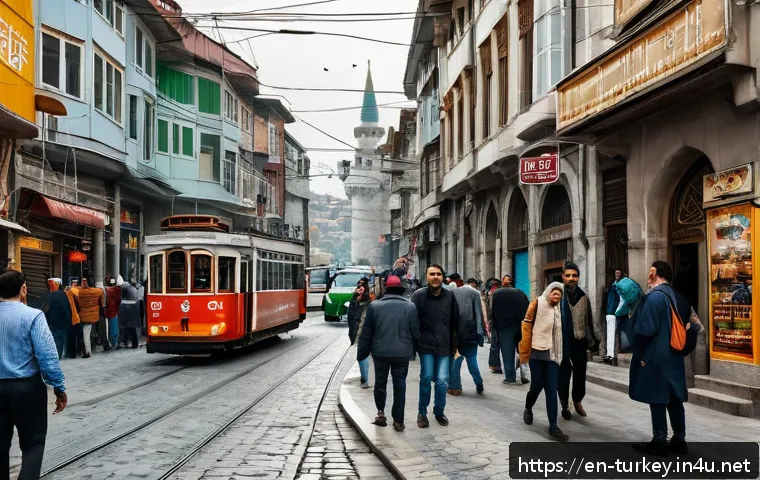
From personal experience, taking a local tram to a match in Istanbul was both convenient and a great way to soak up the pre-game excitement with locals.
Q: How do football stadiums reflect Turkish culture beyond the sport itself?
A: Football stadiums in Turkey are much more than sporting arenas; they are vibrant social spaces where history, resilience, and unity come together. They host community events, concerts, and celebrations that highlight Turkish traditions and hospitality.
The passionate fan rituals, from singing folk songs to elaborate choreographed displays, showcase cultural pride and storytelling. For locals, these stadiums are places where generations connect, memories are forged, and the collective spirit of Turkey shines.
From what I’ve observed, attending a match feels like stepping into a living museum of culture and camaraderie.