Turkey’s contemporary art scene is a vibrant tapestry where tradition meets innovation, reflecting the country’s rich cultural heritage and dynamic social changes.
Over recent decades, Turkish artists have been gaining international recognition by blending local motifs with global artistic trends, creating unique expressions that challenge and inspire.
From Istanbul’s bustling galleries to avant-garde art fairs, the movement is shaping a new narrative in the art world. Exploring how history, politics, and technology intersect in these works reveals much about Turkey’s evolving identity.
Let’s dive deeper to uncover the fascinating layers of Turkey’s modern art landscape!
The Fusion of Tradition and Modernity in Turkish Art
Reinterpreting Ottoman and Anatolian Heritage
Turkish contemporary artists often revisit the rich tapestry of Ottoman and Anatolian art, reimagining traditional motifs and techniques through a modern lens.
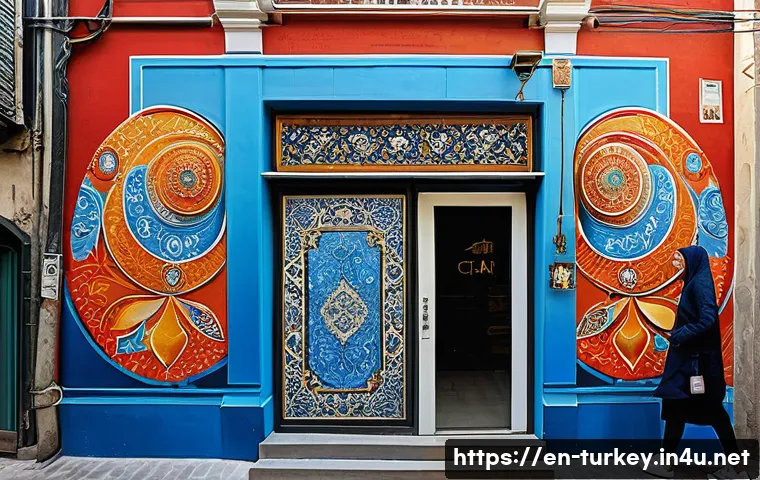
This approach not only honors centuries-old craftsmanship but also breathes new life into it, creating a dialogue between past and present. For example, artists incorporate intricate tile patterns, calligraphy, and miniature painting styles into multimedia installations and digital art.
I’ve seen exhibitions where centuries-old patterns are projected onto urban walls, transforming public spaces and inviting viewers to reflect on cultural continuity amid rapid urbanization.
This blend resonates deeply, especially with younger generations seeking to reconnect with their roots while embracing global art trends.
Innovative Use of Materials and Techniques
Many Turkish artists push boundaries by experimenting with unconventional materials such as reclaimed industrial elements, textiles, and even organic matter.
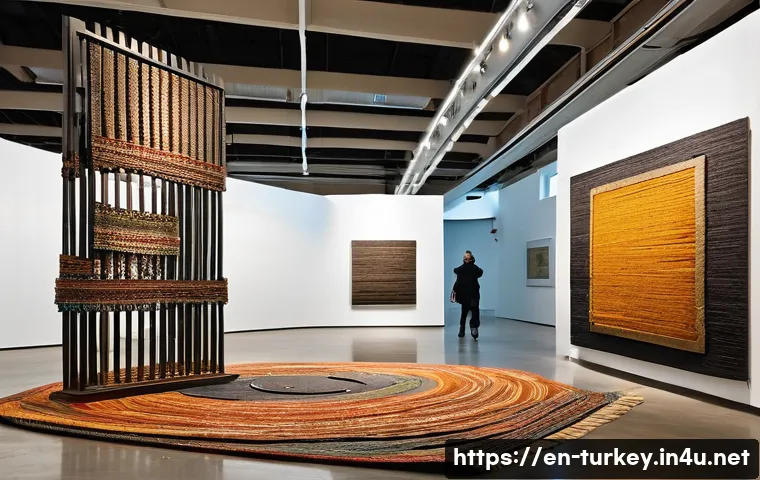
This innovation often symbolizes the tension between tradition and progress in Turkey’s evolving society. For instance, I encountered a sculpture made from repurposed metal scraps combined with traditional carpet weaving, symbolizing the interplay between industrialization and folk culture.
This tactile approach adds layers of meaning and invites audiences to experience art beyond visual aesthetics. Such hybrid techniques exemplify how artists navigate their cultural heritage while engaging with contemporary environmental and social issues.
Urban Spaces as Canvases for Artistic Expression
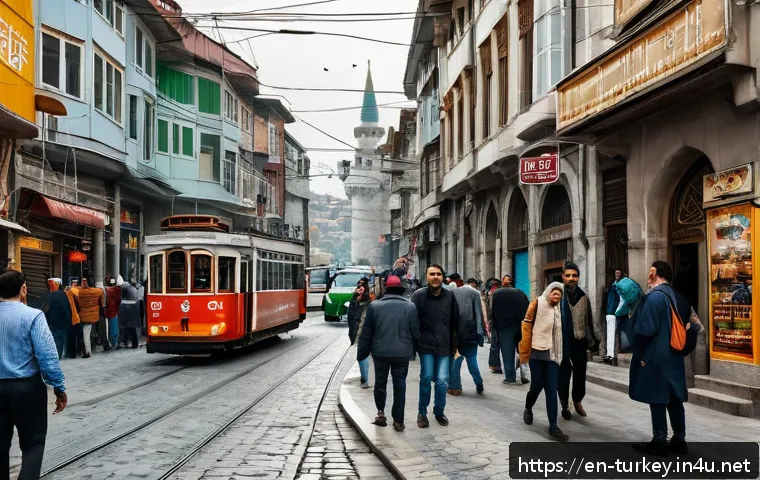
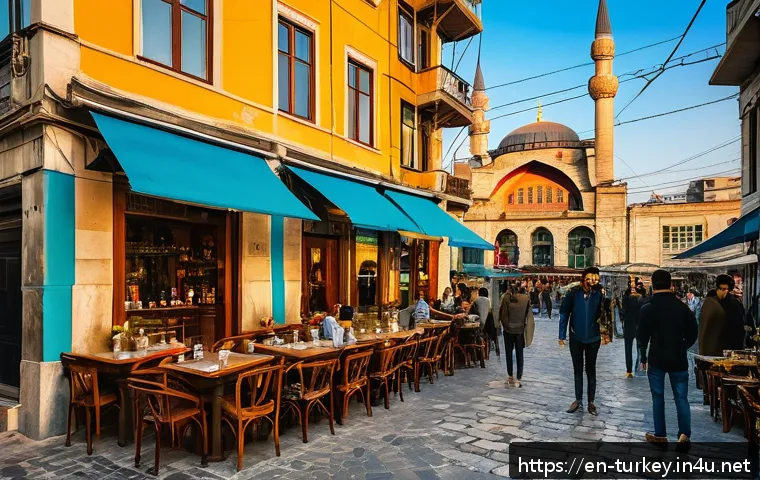
Street art and public installations have become vital platforms for Turkish artists to express social commentary and cultural identity. Cities like Istanbul serve as living galleries where murals and interactive artworks challenge political narratives and celebrate local stories.
Walking through neighborhoods like Karaköy or Kadıköy, I noticed how vibrant murals depict themes ranging from migration and identity to environmental concerns.
This democratization of art fosters community engagement and transforms everyday spaces into arenas of creative dialogue. It’s fascinating how these urban interventions bring art closer to people, making it accessible and relevant in their daily lives.
Political and Social Narratives in Contemporary Works
Art as a Medium for Political Discourse
Turkey’s complex political landscape deeply influences its contemporary art scene. Artists often use their work to critique governmental policies, human rights issues, and social inequalities.
I recall attending a show where installations symbolized the suppression of freedom of expression, combining visual metaphors with soundscapes that evoked a sense of confinement.
This form of resistance art is crucial in a society where public dissent can be risky. Through symbolism and abstraction, artists manage to convey powerful messages that resonate with both local and international audiences, sparking conversations about democracy and justice.
Exploring Gender and Identity
Gender roles and identity politics are increasingly prominent themes in Turkish contemporary art. Many creators challenge traditional gender norms and explore queer identities, often drawing from personal experiences.
I was particularly moved by a photographic series portraying transgender individuals in Istanbul, blending vulnerability with strength. Such works not only offer representation but also confront societal taboos, encouraging empathy and understanding.
This shift reflects broader global movements while remaining deeply rooted in Turkey’s unique cultural context, making the art both intimate and universally relevant.
Migration and Displacement Reflected in Art
Turkey’s position as a crossroads for migration profoundly shapes artistic narratives around displacement, belonging, and cultural hybridity. Artists capture the emotional and social complexities faced by refugees and migrants, often incorporating multimedia elements like video and performance.
I experienced a powerful installation that recreated a refugee camp environment, immersing visitors in the lived realities of those uprooted by conflict.
These works serve as poignant reminders of human resilience and the urgent need for compassion, adding a humanitarian dimension to the contemporary art discourse.
Technological Innovation Transforming Art Practices
Digital Art and New Media
The integration of digital technology has revolutionized the Turkish art scene, allowing artists to experiment with virtual reality, augmented reality, and interactive installations.
This technological leap expands creative possibilities and engages audiences in immersive experiences. For example, I explored an exhibition where visitors could navigate a virtual Istanbul layered with historical and futuristic imagery, blending storytelling with technology.
Such projects not only push artistic boundaries but also attract younger, tech-savvy audiences, increasing the visibility and accessibility of contemporary Turkish art globally.
Collaborations Between Artists and Tech Innovators
Collaborative efforts between artists and tech professionals are becoming more common, resulting in groundbreaking projects that merge creativity with innovation.
I witnessed a project where AI algorithms were used to generate abstract paintings inspired by traditional Turkish patterns, creating a dialogue between human intuition and machine learning.
These collaborations highlight the evolving role of technology as both a tool and a partner in artistic creation. They also reflect Turkey’s ambition to position itself at the forefront of digital culture, bridging the gap between art, science, and industry.
Art Market and Online Platforms
The rise of online galleries and digital marketplaces has significantly impacted how Turkish art is promoted and sold. Artists now reach international collectors and audiences through virtual exhibitions and social media, bypassing traditional gatekeepers.
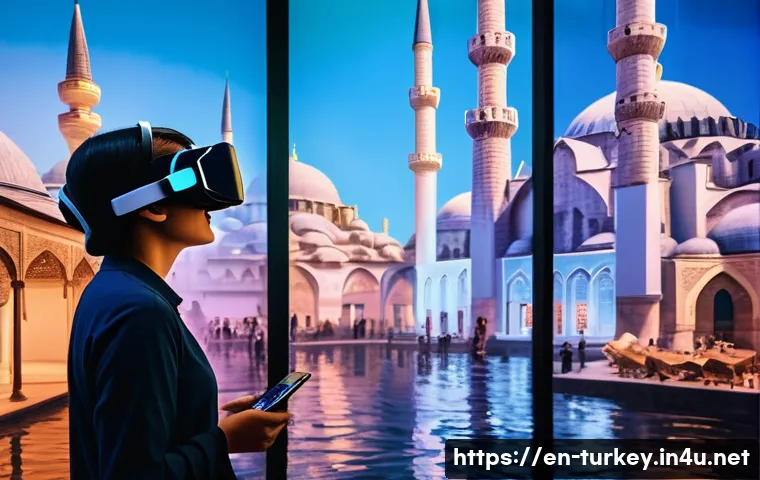
From personal experience, engaging with online platforms like Artsy or Saatchi Art has broadened my understanding of Turkish contemporary art’s diversity and dynamism.
This digital shift also offers new revenue streams and marketing opportunities, helping artists sustain their practice in a competitive global market.
Key Institutions and Events Shaping the Scene
Major Galleries and Museums
Istanbul’s contemporary art ecosystem thrives thanks to influential institutions like SALT, Istanbul Modern, and Arter. These venues curate cutting-edge exhibitions, support emerging artists, and foster international collaborations.
Visiting Istanbul Modern, I was struck by how the museum balances showcasing Turkish heritage with avant-garde works, creating a comprehensive narrative of the country’s artistic evolution.
These institutions also play a crucial educational role, hosting workshops, talks, and residencies that nurture creative talent and community engagement.
International Art Fairs and Biennials
Events like the Istanbul Biennial and Contemporary Istanbul art fair are pivotal in elevating Turkish contemporary art on the world stage. They attract global collectors, curators, and critics, providing a platform for dialogue and exposure.
I attended a recent Istanbul Biennial where the theme centered on migration and memory, featuring artists from diverse backgrounds who addressed urgent social issues through innovative formats.
These events not only boost Turkey’s cultural tourism but also position the country as a vibrant hub for contemporary art in the region.
Artist Collectives and Alternative Spaces
Beyond formal institutions, grassroots artist collectives and independent spaces contribute significantly to the scene’s vitality. These platforms often champion experimental practices and politically engaged art.
For instance, I visited a collective-run space in Istanbul’s Çukurcuma district where emerging artists showcase provocative works that challenge mainstream narratives.
Such spaces foster community, collaboration, and risk-taking, enriching the cultural fabric and offering alternatives to commercialized art markets.
Emerging Trends and Future Directions
Sustainability and Eco-Art
Increasingly, Turkish artists incorporate environmental themes and sustainable practices into their work. This trend reflects growing global awareness and local concerns about urban pollution, climate change, and resource depletion.
I encountered an installation using recycled materials that highlighted the fragility of natural ecosystems around the Bosphorus. This eco-art movement not only raises awareness but also encourages responsible consumption and ethical creativity, signaling a hopeful direction for future artistic endeavors.
Cross-Cultural Dialogues and Globalization
Turkey’s unique geographic and cultural position enables artists to engage in cross-cultural dialogues, blending Eastern and Western influences. This global perspective enriches their practice and fosters international collaborations.
I’ve noticed artists participating in residencies abroad and incorporating diverse narratives that transcend national borders. This openness promotes cultural exchange and innovation, positioning Turkish contemporary art as a dynamic player in the global art ecosystem.
Focus on Community and Social Impact
A growing number of artists prioritize community engagement and social impact, using art to address local challenges and empower marginalized groups. Projects often involve participatory methods, workshops, and public interventions.
I experienced a community mural project in a working-class neighborhood where residents contributed their stories and creativity, fostering social cohesion and pride.
This socially responsive art underscores the transformative power of creativity beyond aesthetics, highlighting its role in social change and inclusion.
| Aspect | Characteristics | Examples | Impact |
|---|---|---|---|
| Traditional Influences | Incorporation of Ottoman motifs, calligraphy, and Anatolian crafts | Miniature-inspired digital art, tile pattern projections | Preservation and reinterpretation of cultural heritage |
| Political & Social Themes | Critique of governance, gender identity, migration narratives | Installations on freedom of expression, transgender photography series | Raising awareness and fostering dialogue on sensitive issues |
| Technological Innovation | Use of VR, AR, AI, digital platforms | Virtual Istanbul experiences, AI-generated pattern paintings | Expanding creative boundaries and audience engagement |
| Institutional Support | Major museums, biennials, artist collectives | Istanbul Modern, Istanbul Biennial, independent spaces | Promotion, education, and community building |
| Emerging Trends | Sustainability, globalization, community art | Eco-art installations, cross-cultural residencies, participatory murals | Future-focused creativity with social and environmental impact |
Conclusion
Turkish contemporary art beautifully intertwines tradition with modern innovation, offering fresh perspectives that honor cultural heritage while embracing new expressions. This dynamic fusion creates meaningful conversations about identity, society, and technology. As the art scene continues to evolve, it remains a powerful reflection of Turkey’s rich history and vibrant future.
Useful Information to Know
1. Turkish artists frequently blend historical Ottoman and Anatolian motifs with cutting-edge digital media to create unique contemporary works.
2. Public art and street murals in cities like Istanbul serve as accessible platforms for social commentary and cultural storytelling.
3. Technology plays a crucial role, with virtual reality and AI collaborations expanding creative possibilities and audience engagement.
4. Major institutions and international events, including museums and biennials, significantly support the growth and global exposure of Turkish contemporary art.
5. Emerging trends emphasize sustainability, cross-cultural exchange, and community-driven projects, highlighting art’s role in social and environmental impact.
Key Takeaways
Contemporary Turkish art is distinguished by its respectful reinterpretation of traditional crafts alongside bold experimentation with new materials and digital tools. Artists engage deeply with pressing social and political issues, using their work as a platform for dialogue and change. Institutional backing and global connections provide vital support, while grassroots initiatives foster innovation and inclusivity. This vibrant ecosystem positions Turkish art as both locally rooted and internationally resonant, offering inspiring insights into cultural identity and modern life.
Frequently Asked Questions (FAQ) 📖
Q: What makes contemporary Turkish art distinct from other international art scenes?
A: Contemporary Turkish art stands out because it seamlessly blends deep-rooted cultural traditions with cutting-edge global trends. Artists often incorporate motifs inspired by Ottoman history, Anatolian folklore, and Islamic art, yet they reinterpret these elements through modern techniques and conceptual frameworks.
This fusion creates works that are both visually rich and thought-provoking, offering unique perspectives on identity, history, and social change that you won’t find in many other art scenes.
Q: How has Istanbul contributed to the growth of Turkey’s contemporary art movement?
A: Istanbul serves as the pulsating heart of Turkey’s contemporary art scene. Its diverse population and historical significance make it a melting pot for creative expression.
The city hosts numerous galleries, biennials, and avant-garde art fairs that attract both local talents and international visitors. From trendy districts like Karaköy to established art hubs in Beyoğlu, Istanbul provides fertile ground for artists to experiment and showcase their work.
Personally, visiting these spaces feels like stepping into a constantly evolving dialogue between past and present.
Q: In what ways do politics and technology influence modern Turkish artists?
A: Politics and technology deeply shape the themes and methods of many Turkish contemporary artists. Given Turkey’s complex political landscape, artists often address issues like freedom of expression, social justice, and national identity through their work.
Meanwhile, advancements in digital media and new technologies enable them to experiment beyond traditional painting or sculpture—using video art, installations, and interactive platforms to engage audiences more dynamically.
From what I’ve observed, this combination creates art that is not only visually compelling but also socially resonant and innovative.