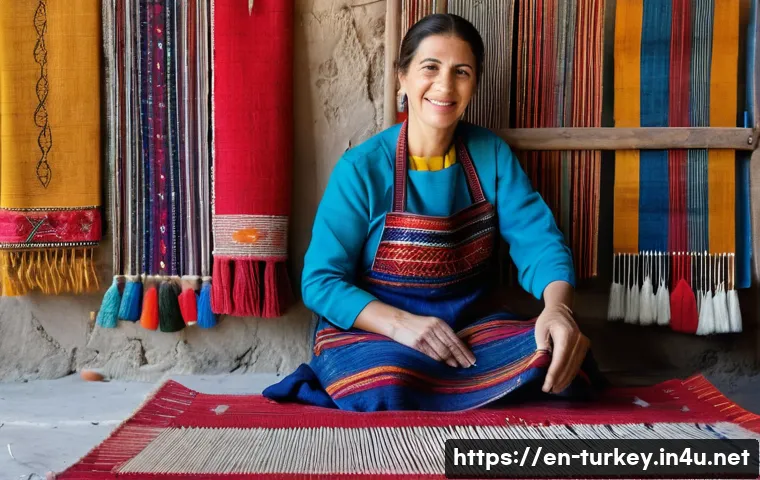
Traditional Turkish weaving is a fascinating art form that has been passed down through generations, reflecting the rich cultural heritage of the region.
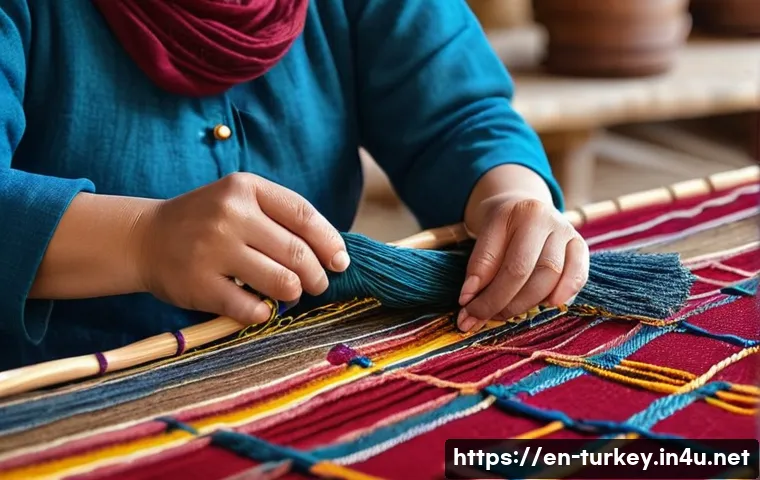
Each pattern and color choice tells a unique story, deeply rooted in history and local symbolism. The intricate techniques require patience and skill, making every textile a masterpiece in its own right.
Beyond its aesthetic appeal, this craft supports local communities and preserves ancient practices in a modern world. Exploring these time-honored methods reveals much about Turkey’s identity and artistic spirit.
Let’s dive in and explore the fascinating world of Turkish weaving in detail!
Weaving Techniques and Tools Behind the Craft
Traditional Looms and Their Unique Designs
The backbone of Turkish weaving lies in the variety of looms used, each adapted to the specific needs of the region and textile type. From simple horizontal ground looms to more complex vertical looms, these tools have evolved but maintain a distinct character that influences the final product.
What fascinates me is how each loom’s structure impacts the weaving speed and pattern complexity, making some pieces take weeks or even months to complete.
The rhythmic motion of the loom and the weaver’s skilled hands create a mesmerizing synergy, a dance between machine and human that breathes life into the fabric.
Natural Fibers and Their Role in Texture
Using natural fibers such as wool, cotton, and silk, traditional Turkish weavers achieve a rich texture that synthetic fibers can rarely match. The choice of fiber not only affects the softness and durability but also plays a crucial role in how dyes absorb and how colors appear once woven.
I’ve noticed that wool is favored for its warmth and resilience, especially in rug-making, while silk adds a subtle sheen that elevates the textile’s elegance.
Handling these fibers firsthand, I could feel the difference in quality and understand why artisans are so particular about sourcing their raw materials.
Step-by-Step Weaving Process
Weaving is not just about threading yarn; it involves several meticulous steps, from preparing the warp and weft to executing complex knotting techniques.
The warp threads are stretched tightly across the loom, forming the foundation, while the weft threads are woven horizontally, creating the pattern. Techniques like the Turkish double knot give rugs their signature durability and intricate designs.
Watching a weaver carefully knot each thread, it’s clear how patience and precision are essential — every slight mistake can alter the pattern, so concentration is constant.
Symbolism Embedded in Patterns and Colors
Meaning Behind Geometric Motifs
Turkish textiles are a visual language where each geometric motif carries a symbolic message. Triangles often represent fertility or protection, while diamonds might symbolize the evil eye warding off bad luck.
In some regions, stars or crosses appear frequently, hinting at local beliefs or historical influences. I find it incredible how these symbols have survived centuries, passed down not through written words but through weaving traditions, allowing each rug or fabric to tell a story beyond its physical beauty.
Color Palettes and Their Cultural Significance
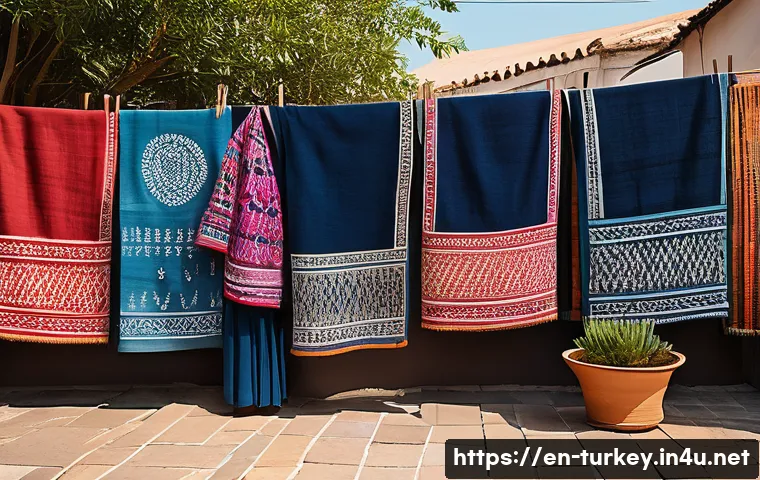
The colors used in traditional weaving are far from random; they reflect regional flora, spiritual beliefs, and social status. Reds derived from madder root can symbolize passion or vitality, blues from indigo evoke calm and protection, and yellows often stand for wealth or the sun’s energy.
When I first saw these colors in person, their vibrancy surprised me, especially given the natural dyes’ age-old preparation methods. The way these hues harmonize or contrast within a single piece is a testament to the weaver’s deep understanding of color theory long before it became a formal discipline.
Personal Stories Woven Into Textiles
Beyond symbols and colors, many weavings contain personal or family stories encoded through patterns passed down generations. Some women include motifs representing their children or dreams, embedding their lives within the fabric.
I once spoke to a weaver who shared how her grandmother taught her to weave a particular border design that signified protection for her family’s home.
This emotional layer adds a profound human connection to each textile, transforming it into a living archive of memories and hopes.
Economic and Social Impact on Local Communities
Weaving as a Sustainable Livelihood
For many rural Turkish communities, traditional weaving remains a vital source of income. It’s heartening to see how this craft supports families, especially women, empowering them with economic independence.
The income from selling handwoven textiles often funds education or healthcare, making weaving more than just an art—it’s a lifeline. From my conversations with artisans, the pride they take in their work goes hand in hand with the tangible benefits it brings to their communities.
Challenges in a Modernizing World
Despite its value, traditional weaving faces challenges from mass-produced textiles and changing consumer preferences. Younger generations sometimes hesitate to learn this time-intensive craft, lured by urban jobs or digital careers.
However, initiatives promoting fair trade and cultural preservation are helping bridge this gap. I’ve witnessed workshops where elders teach youngsters, rekindling interest and ensuring the continuity of weaving traditions in an increasingly globalized market.
Global Demand and Fair Trade Practices
The growing appreciation for handmade, ethically sourced goods has opened new markets for Turkish textiles worldwide. Tourists and collectors seek authentic pieces, driving fair trade practices that guarantee artisans receive proper compensation.
This global demand encourages quality over quantity, preserving craftsmanship. From experience, buyers who understand the story behind each piece often develop a deeper appreciation, contributing to the craft’s sustainability.
Distinctive Regional Styles and Their Origins
Anatolian Weaving Traditions
Anatolia, often considered the heartland of Turkish weaving, boasts diverse styles reflecting its varied geography and history. Rugs from this area showcase bold geometric patterns, rich reds, and intricate borders.
I found that each town or village has a recognizable style, almost like a signature, making every piece a cultural fingerprint. The interplay between nomadic and settled communities also influences the designs, blending practicality with artistry.
Eastern Anatolia’s Rug Characteristics
In eastern regions, weaving tends to feature more tribal motifs and earthy tones, often with symbolic animals or plants. These rugs are thicker, designed to withstand harsh winters, which adds a functional aspect to their artistry.
During a visit, I noticed how the local environment shapes not just the aesthetics but also the durability of textiles, showcasing a deep connection between craft and lifestyle.
Coastal and Urban Influences
Weavings from coastal and urban centers incorporate more intricate floral patterns and softer color schemes, reflecting trade influences and cosmopolitan tastes.
These styles often use silk blends, elevating the textiles for decorative or ceremonial use. I was amazed at how these urban weavings balance tradition with innovation, keeping the craft dynamic and relevant in changing times.
Mastering the Art: Learning and Preserving Weaving Skills
Apprenticeship and Knowledge Transfer
Traditionally, weaving skills pass down through family lines, often from mother to daughter. This apprenticeship model ensures not only technical proficiency but also the preservation of cultural narratives embedded in the craft.
I’ve seen how patience and repetition play crucial roles in mastering techniques, with elders gently correcting novices over months or years. This mentorship creates a strong bond between generations, reinforcing community identity.
Modern Educational Programs
Recently, formal schools and workshops have emerged to teach weaving, blending traditional methods with contemporary design education. These programs attract diverse students, some seeking to revive heritage crafts, others to innovate within the field.
Participating in one such workshop, I noticed how structured curricula help standardize quality without sacrificing authenticity, opening new avenues for artisans to thrive.
Digital Documentation and Online Communities
Technology now aids preservation through digital archives and social media groups where weavers share patterns, stories, and techniques globally. This virtual exchange fosters collaboration and raises awareness about the craft’s value.
As someone who follows several weaving forums, I find the blend of ancient tradition and modern connectivity inspiring, helping ensure that Turkish weaving continues to evolve while honoring its roots.
Material and Symbol Overview in Turkish Weaving
| Aspect | Common Elements | Significance |
|---|---|---|
| Fibers | Wool, Cotton, Silk | Durability, Texture, Shine |
| Dyes | Madder Root (Red), Indigo (Blue), Pomegranate (Yellow) | Natural Colors, Regional Identity, Symbolism |
| Motifs | Triangles, Diamonds, Stars, Crosses | Protection, Fertility, Spiritual Beliefs |
| Techniques | Double Knotting, Warp & Weft Interlacing | Durability, Pattern Complexity |
| Regions | Anatolia, Eastern Anatolia, Coastal Cities | Style Variation, Cultural Influence |
Preserving the Legacy Through Innovation
Incorporating Contemporary Designs
While preserving tradition is essential, many artisans experiment with new patterns and color schemes to appeal to modern tastes. I find this balance fascinating—respecting heritage while pushing creative boundaries.
Some designers blend traditional motifs with abstract art, creating pieces that resonate globally yet remain distinctly Turkish. This approach helps keep weaving vibrant and relevant.
Collaborations with Global Brands
Collaborations between Turkish weavers and international brands have brought wider recognition and financial support to the craft. These partnerships often involve co-designing collections that highlight traditional techniques in contemporary contexts.
From what I’ve seen, such collaborations raise awareness and appreciation, generating excitement for handmade textiles among new audiences.
Empowering Artisans Through Technology
Digital tools help artisans manage their businesses, reach customers worldwide, and learn new skills. Online marketplaces and social media platforms enable direct sales, increasing profits and reducing dependency on intermediaries.
I’ve noticed how empowered artisans feel when they control their craft’s narrative and commercial success, fostering pride and motivation to continue their work.
The Social Fabric Woven by Weaving
Community Bonding and Shared Identity
Weaving is more than a solitary craft; it’s a communal activity that strengthens social ties. Gatherings for weaving sessions often become occasions for storytelling, cultural exchange, and mutual support.
I’ve witnessed how these moments create a shared sense of identity and continuity, essential for community resilience.
Gender Roles and Empowerment
Traditionally, weaving has been a female-dominated craft, offering women a creative outlet and economic role within patriarchal societies. This dynamic fosters empowerment, giving women both a voice and financial independence.
From conversations with weavers, it’s clear how much pride and dignity they derive from their work, challenging stereotypes and reshaping social roles.
Global Recognition and Cultural Pride
As Turkish weaving gains international acclaim, local communities experience renewed pride in their heritage. This recognition encourages preservation efforts and inspires younger generations to embrace their cultural roots.
I find it heartwarming to see how global appreciation translates into local celebration, ensuring the craft’s survival for years to come.
Conclusion
Traditional Turkish weaving is a remarkable blend of artistry, culture, and community. Its rich history, intricate techniques, and meaningful symbolism continue to inspire both artisans and admirers worldwide. Preserving this craft not only honors heritage but also empowers local communities economically and socially. As weaving adapts through innovation and global appreciation, its vibrant legacy is sure to endure for generations to come.
Useful Information to Remember
1. Traditional looms vary in design, influencing the complexity and speed of weaving, with some pieces taking months to complete.
2. Natural fibers like wool, cotton, and silk play a vital role in texture, durability, and dye absorption, enhancing the quality of textiles.
3. Geometric motifs and color choices are deeply symbolic, reflecting cultural beliefs, protection, fertility, and social status.
4. Weaving supports sustainable livelihoods in rural areas, especially empowering women through economic independence.
5. Modern efforts including workshops, digital platforms, and global collaborations help preserve weaving traditions while encouraging innovation.
Key Takeaways
Understanding the cultural and technical depth of Turkish weaving reveals its significance beyond aesthetics. The craft embodies centuries of knowledge, personal stories, and community values, making every piece a unique testament to tradition and resilience. Supporting this art form not only preserves heritage but also fosters empowerment and sustainable economic growth for artisans in an evolving global market.
Frequently Asked Questions (FAQ) 📖
Q: What makes traditional Turkish weaving unique compared to other textile arts?
A: Traditional Turkish weaving stands out because of its deep cultural roots and symbolic patterns that have been carefully preserved over centuries. Unlike mass-produced textiles, each piece is crafted with techniques passed down through generations, often by hand.
The use of natural dyes and specific motifs tied to local history and beliefs adds a layer of meaning that you won’t find in generic fabrics. From my experience visiting artisans, you can really feel the stories woven into every thread, making each textile a living piece of heritage.
Q: How do traditional weaving techniques support local Turkish communities today?
A: These weaving practices are more than just an art—they’re a vital source of income and cultural pride for many rural communities in Turkey. By maintaining these skills, artisans, especially women, sustain their families and keep their cultural identity alive in the face of modernization.
When I spoke with some weavers, they emphasized how selling their handcrafted rugs and textiles to both locals and tourists helps fund education and community projects.
So, buying authentic Turkish textiles directly supports these artisans and preserves an important tradition.
Q: Are there specific patterns or colors in Turkish weaving that carry special meanings?
A: Absolutely! Many Turkish weaving patterns are rich with symbolism. For example, the “elibelinde” motif represents fertility and motherhood, while geometric shapes might symbolize protection or good fortune.
Colors also carry significance—red often denotes happiness and vitality, while blue can be a protective color against evil. Learning about these symbols adds a whole new layer of appreciation.
When I first learned this, it changed how I viewed these textiles—not just as decorative items, but as meaningful expressions of culture and belief.