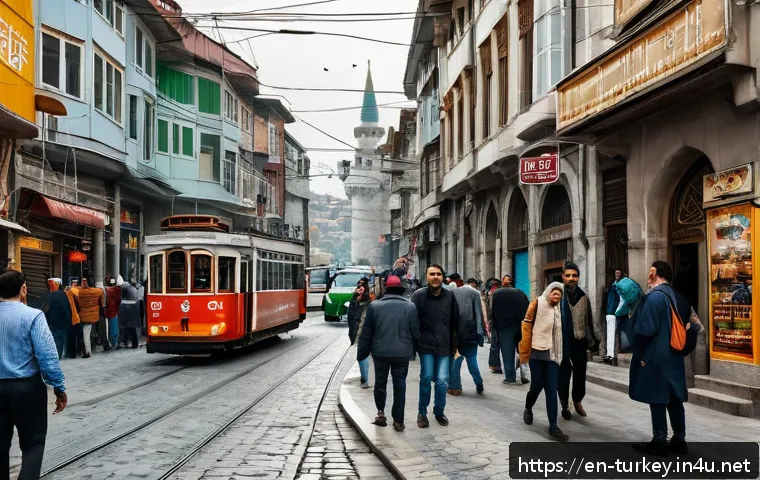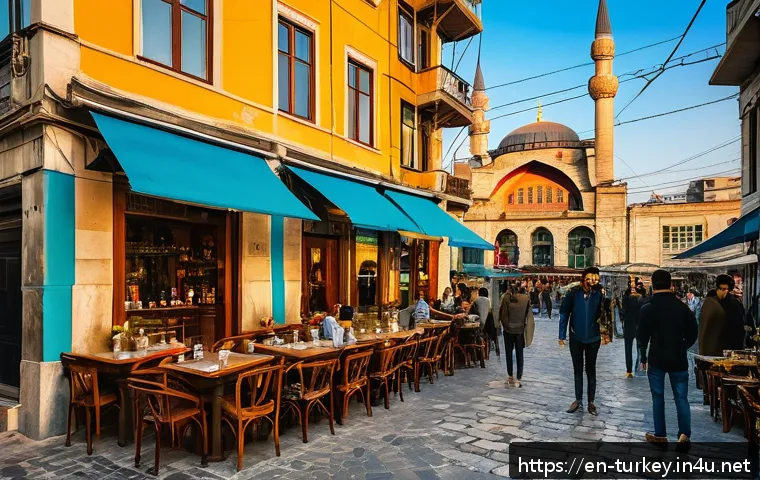
In a world where modern design often takes center stage, the enduring charm of Turkish ceramic art continues to captivate enthusiasts and collectors alike.
Recently, there’s been a growing appreciation for handcrafted traditions, making it the perfect moment to explore the rich history and intricate patterns that define this timeless craft.
From vibrant Iznik tiles to delicate motifs passed down through generations, Turkish ceramics offer a fascinating blend of culture and creativity. Whether you’re an art lover or simply curious about global craftsmanship, understanding these masterpieces reveals much more than just decoration—it’s a journey through centuries of artistry and passion.
Let’s dive into the world where history and craftsmanship meet in stunning color and form.
Origins and Evolution of Turkish Ceramic Art
The Roots in Anatolian Civilization
The story of Turkish ceramics begins deep in the heart of Anatolia, where early civilizations first experimented with clay and glaze. These ancient artisans laid the groundwork for what would become a distinctive style, marked by a delicate balance between form and function.
Over centuries, the techniques evolved, absorbing influences from the Hittites, Greeks, and Romans, each leaving their mark on the color palettes and motifs.
What’s fascinating is how these early creations were not just utilitarian objects but also expressions of cultural identity, often used in everyday life and sacred spaces alike.
This blend of art and utility still resonates in modern Turkish ceramics, showing how craftsmanship can transcend time.
The Impact of the Ottoman Empire
The Ottoman period represents a golden age for Turkish ceramics, especially from the 15th to the 17th centuries. During this era, imperial workshops flourished, producing tiles and pottery that decorated mosques, palaces, and public buildings.
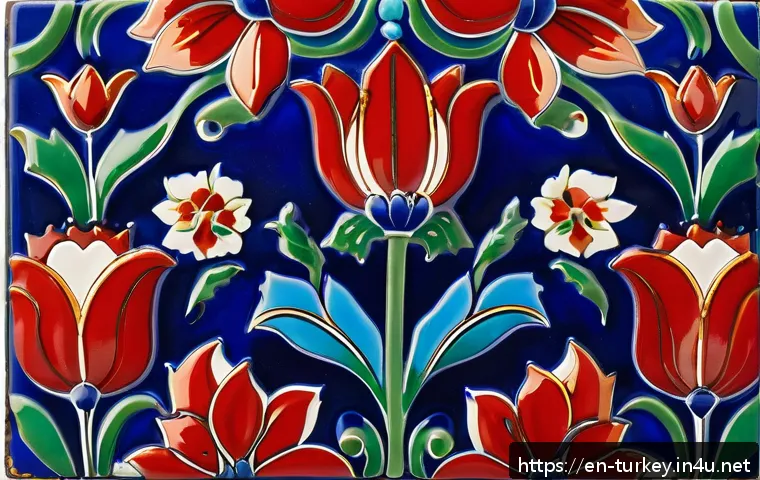
The famous Iznik tiles originated here, renowned for their rich cobalt blues, bright reds, and intricate floral and geometric patterns. These ceramics were more than mere decoration; they symbolized power, spirituality, and artistic innovation.
The empire’s vast reach also facilitated the exchange of ideas and techniques, introducing new materials and styles that enriched the craft. What’s striking is the level of detail and precision, reflecting a deep reverence for tradition alongside bold creativity.
Contemporary Revival and Global Influence
In recent decades, Turkish ceramics have experienced a remarkable revival, with artisans blending traditional methods with contemporary aesthetics. This resurgence is fueled by a growing global appreciation for handcrafted goods and sustainable art forms.
Today, you’ll find Turkish ceramic artists experimenting with new glazes, forms, and motifs, while still honoring the centuries-old techniques passed down through families.
This fusion appeals to collectors and interior designers worldwide, who value the authenticity and timeless beauty of these pieces. The global market has also inspired workshops and cooperatives to promote fair trade and cultural preservation, making Turkish ceramics not only an art form but a vital cultural export.
Signature Designs and Techniques That Define the Craft
Iznik Tiles: A Symphony of Color and Pattern
Iznik tiles are perhaps the most iconic expression of Turkish ceramic art. Their vivid palette—dominated by cobalt blue, turquoise, red, and emerald green—creates a mesmerizing effect that transforms any surface into a visual feast.
The designs often incorporate floral motifs such as tulips, carnations, and roses, combined with intricate arabesques and calligraphic elements. What’s captivating about Iznik tiles is the painstaking process behind them: each tile is hand-painted with mineral-based pigments and then glazed and fired to achieve a brilliant, glass-like finish.
This technique ensures durability while preserving the vividness of the colors for centuries.
Under-Glaze Painting and Slip Decoration
Beyond Iznik, Turkish ceramics also showcase other decorative techniques like under-glaze painting and slip decoration. Under-glaze painting involves applying colored pigments directly onto the clay body before glazing, allowing for detailed and permanent designs.
Slip decoration, on the other hand, uses liquid clay mixtures to create raised or textured patterns, adding a tactile dimension to the ceramics. These methods enable artisans to explore a variety of styles—from bold geometric forms to delicate figurative scenes—demonstrating the versatility and creativity inherent in Turkish ceramic traditions.
Distinct Regional Styles Across Turkey
Turkey’s diverse geography has given rise to distinct regional ceramic styles, each reflecting local materials, cultural influences, and artistic preferences.
For example, Kütahya ceramics are known for their soft pastel colors and playful motifs, while Çanakkale pottery often features bold blue and white contrasts with folk-inspired designs.
The town of Avanos, famous for its pottery workshops, emphasizes functional earthenware with rustic charm. These regional differences enrich the overall tapestry of Turkish ceramics, offering collectors and enthusiasts a wide spectrum of aesthetics to explore.
Materials and Crafting Processes Behind the Masterpieces
Clay Selection and Preparation
The foundation of any ceramic piece lies in the quality of the clay, and Turkish artisans are meticulous about selecting and preparing this raw material.
The clay typically comes from local deposits, prized for its plasticity and fine grain. Before shaping, the clay is cleaned and wedged to remove air bubbles, ensuring the final product is strong and free from cracks.
This preparation stage might seem straightforward, but it requires skill and experience to achieve the right consistency for throwing or hand-building.
Shaping Techniques: Wheel Throwing and Hand Building
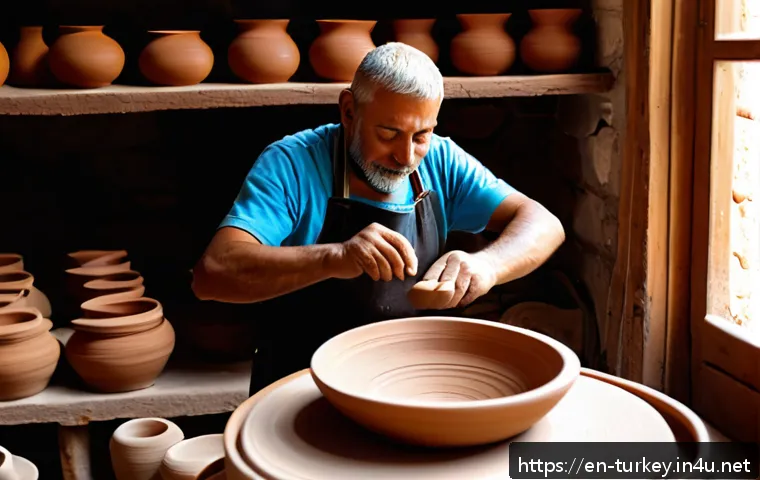
Turkish ceramicists employ both wheel throwing and hand-building techniques depending on the intended form and style. Wheel throwing allows for symmetrical, elegant shapes like bowls, vases, and plates.
Hand building, using coils or slabs, offers more flexibility for sculptural or irregular forms. Watching a master potter at work is mesmerizing—the way the clay responds to gentle pressure, gradually taking shape under skilled hands.
This process is as much about intuition and feel as it is about technical knowledge, creating a unique bond between the artist and their material.
Glazing and Firing: Creating Durable Beauty
Glazing is a critical step that not only enhances the visual appeal but also seals the ceramic surface. Traditional Turkish glazes often include a mixture of silica, fluxes, and metal oxides, which produce vibrant colors and glossy finishes.
After glazing, pieces undergo firing in a kiln at temperatures typically ranging from 900 to 1200 degrees Celsius. This high heat vitrifies the clay and glaze, making the ceramics waterproof and durable.
The firing process demands precision, as temperature fluctuations can affect color outcomes and structural integrity. Experienced artisans monitor every stage carefully to ensure flawless results.
The Cultural Significance Embedded in Patterns and Motifs
Symbolism in Floral and Geometric Designs
Turkish ceramics are rich with symbolic meaning, particularly in their floral and geometric patterns. Flowers like the tulip symbolize paradise and perfection, while the carnation represents health and vitality.
Geometric shapes often carry spiritual significance, reflecting Islamic principles of unity and infinity. These motifs aren’t random decorations but deliberate choices that communicate cultural values and beliefs.
This layer of symbolism adds depth to each piece, inviting viewers to engage not only with the aesthetics but also with the stories and traditions they embody.
Influences from Islamic Art and Architecture
The intersection of Turkish ceramics and Islamic art is unmistakable, with many designs echoing the elaborate tile work found in mosques and palaces. The emphasis on symmetry, repetition, and intricate detail aligns with Islamic artistic principles that avoid figurative imagery in sacred contexts.
This has led to a unique visual language where calligraphy, arabesques, and tessellations dominate. The result is an art form that is both decorative and contemplative, encouraging reflection and appreciation for divine beauty through craftsmanship.
Preserving Heritage Through Contemporary Storytelling
Modern Turkish ceramic artists often incorporate traditional motifs into new narratives, blending past and present. This storytelling approach allows them to honor their heritage while making the art relevant to today’s audiences.
Some artists use ceramics to comment on social issues or personal experiences, embedding layers of meaning beyond the decorative surface. This dynamic evolution ensures that Turkish ceramics remain a living tradition, continuously renewed by creativity and cultural dialogue.
How to Identify Authentic Turkish Ceramics
Recognizing Signature Features and Marks
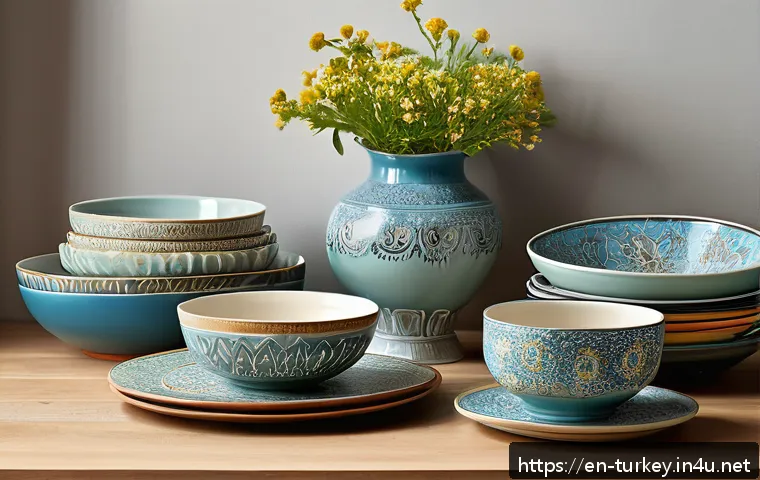
Authentic Turkish ceramics often carry telltale signs of their origin, such as specific color schemes, motifs, and maker’s marks. For example, Iznik pieces are known for their bright cobalt blue and distinctive floral patterns, while Kütahya pottery usually features softer hues and playful designs.
Some artisans sign their work or include stamps indicating the workshop or region. Knowing these markers can help collectors distinguish genuine handcrafted items from mass-produced imitations, preserving the value and cultural significance of the craft.
Quality Indicators: Craftsmanship and Materials
High-quality Turkish ceramics exhibit flawless glazing, consistent thickness, and well-executed decorations. The clay body should feel solid but not heavy, and the surface must be smooth without cracks or bubbles.
Hand-painted designs reveal slight variations and brushstroke textures, unlike uniform printed patterns. When held up to light, authentic pieces show a certain translucency and depth, reflecting the skillful layering of pigments and glazes.
These subtle qualities often require a trained eye or hands-on experience to appreciate fully.
Where to Purchase and Collect with Confidence
Finding authentic Turkish ceramics can be a rewarding adventure, whether at local artisan markets, reputable galleries, or specialized online shops. It’s wise to seek out sellers who provide provenance information and allow for close inspection of the pieces.
Visiting workshops or cultural festivals can also offer firsthand experience and the opportunity to meet artisans directly. Collecting with confidence means investing in pieces that not only beautify your space but also support the preservation of this remarkable craft.
Care and Maintenance Tips for Longevity
Cleaning Without Compromising the Surface
Turkish ceramics, especially hand-painted ones, require gentle cleaning to preserve their colors and glaze. Avoid harsh detergents or abrasive scrubbers that can damage the surface.
Instead, use a soft cloth or sponge with mild soap and lukewarm water. Dry the piece thoroughly to prevent moisture damage. Regular dusting also helps maintain the vibrancy of the designs.
I’ve found that taking a little extra care during cleaning significantly extends the life and appearance of these beautiful objects.
Handling and Display Recommendations
Proper handling is crucial to avoid chips or cracks, especially with delicate tiles or thin-walled pottery. Always support the base when moving a piece and avoid stacking ceramics directly on top of each other.
When displaying, consider stable surfaces away from direct sunlight, which can fade colors over time. Using padded stands or mounts can also prevent accidental damage.
In my experience, a well-thought-out display not only showcases the ceramics beautifully but also protects them for generations.
Repair and Restoration Insights
Sometimes, even with the best care, ceramics may suffer minor damage. Professional restoration can revive the piece’s appearance and structural integrity, but it’s important to choose experts familiar with Turkish ceramics.
Restoration involves careful cleaning, filling cracks with compatible materials, and color-matching glazes to maintain authenticity. While restoration can be costly, it’s a worthwhile investment for valuable or sentimental pieces.
Personally, I’ve seen restored ceramics regain their former glory, allowing their stories to continue without interruption.
Economic and Artistic Value in Today’s Market
The Growing Demand for Handcrafted Authenticity
In a world saturated with mass production, Turkish ceramics stand out as symbols of artisanal excellence and cultural richness. Collectors and interior designers increasingly seek authentic, handcrafted pieces for their unique beauty and story.
This demand has driven prices upward, especially for rare antique tiles and works by renowned contemporary artists. The market rewards quality and provenance, encouraging artisans to maintain high standards and innovate within tradition.
Investment Potential and Collecting Trends
Turkish ceramics have shown steady appreciation as collectible art, often outperforming other decorative art forms in niche markets. Pieces from historically significant periods or workshops can fetch impressive sums at auctions and galleries.
Additionally, the trend toward sustainable, handmade goods positions Turkish ceramics as desirable for ethically minded buyers. For anyone interested in collecting, understanding market trends and authenticity criteria is essential to making informed acquisitions.
Supporting Artisan Communities Through Purchases
Buying Turkish ceramics directly from artisans or cooperative organizations helps sustain traditional craftsmanship and local economies. Many workshops emphasize fair wages, ethical sourcing, and cultural preservation, making each purchase a meaningful contribution beyond aesthetics.
This direct support fosters a vibrant artisan community, ensuring that the knowledge and skills continue to be passed down. From my experience, knowing that your purchase helps keep a centuries-old tradition alive adds an extra layer of satisfaction to owning these stunning pieces.
Comparison of Major Turkish Ceramic Styles
| Style | Region | Color Palette | Motifs | Techniques | Typical Uses |
|---|---|---|---|---|---|
| Iznik | Iznik | Cobalt blue, red, turquoise, green | Floral (tulips, carnations), geometric patterns | Hand-painting, under-glaze | Tiles, plates, vases, mosque decoration |
| Kütahya | Kütahya | Pastel blues, greens, yellows | Playful floral, abstract | Slip decoration, glazing | Tableware, decorative ceramics |
| Çanakkale | Çanakkale | Bold blue and white | Folk motifs, animals, geometric | Hand-painting, glazing | Functional pottery, souvenirs |
| Avanos | Avanos (Central Anatolia) | Earth tones, natural clay colors | Rustic, simple patterns | Wheel throwing, hand building | Earthenware, everyday pottery |
Conclusion
Turkish ceramic art is a vibrant blend of history, culture, and craftsmanship that continues to inspire today. Its rich heritage, from ancient Anatolia to the Ottoman golden age and modern revival, showcases timeless beauty and innovation. Each piece tells a story, reflecting the skill and passion of artisans who keep this tradition alive. Exploring Turkish ceramics offers not only aesthetic pleasure but also a deep connection to a living cultural legacy.
Useful Information
1. Authentic Turkish ceramics are best recognized by their distinctive color palettes and traditional motifs, especially in Iznik and Kütahya styles.
2. Proper care involves gentle cleaning with mild soap and avoiding harsh chemicals to preserve glaze and paint.
3. Supporting local artisans by purchasing directly from workshops helps sustain cultural heritage and fair trade practices.
4. Regional styles vary greatly, so exploring different areas like Avanos or Çanakkale can offer unique artistic expressions.
5. Investing in Turkish ceramics can be rewarding both aesthetically and financially, as demand for handcrafted authenticity grows globally.
Key Takeaways
Understanding Turkish ceramics means appreciating their deep cultural symbolism, diverse regional styles, and meticulous crafting techniques. Authenticity hinges on recognizing signature features and quality indicators, while proper care ensures longevity. Supporting artisan communities not only preserves tradition but enriches the global art market. Ultimately, Turkish ceramics stand as enduring symbols of artistic excellence and cultural identity, worthy of both admiration and thoughtful collection.
Frequently Asked Questions (FAQ) 📖
Q: uestions about Turkish Ceramic
A: rt
Q: What makes Turkish ceramics, especially Iznik tiles, unique compared to other ceramic traditions?
A: Turkish ceramics, and Iznik tiles in particular, stand out due to their vibrant colors and intricate patterns that blend Ottoman artistry with influences from Persian and Byzantine cultures.
The distinctive use of cobalt blue, turquoise, and coral red pigments creates a vivid palette that is both striking and harmonious. Unlike mass-produced ceramics, Iznik tiles are handcrafted using traditional methods passed down through generations, giving each piece a unique character and historical depth.
This craftsmanship results in ceramics that are not only decorative but also carry centuries of cultural storytelling and artistic evolution.
Q: How can I identify authentic Turkish ceramics when purchasing?
A: Authentic Turkish ceramics often display fine craftsmanship with detailed hand-painted motifs such as tulips, carnations, and arabesques. Look for slight irregularities in design and glaze, which indicate they are handmade rather than factory-produced.
The back of the ceramic pieces may have maker’s marks or signatures, especially on higher-end items. Additionally, genuine Iznik ceramics use a specific quartz-based clay and a unique glazing technique that gives them a distinct glossy finish.
When buying, it’s best to purchase from reputable galleries or artisans with verifiable provenance to ensure authenticity and quality.
Q: How can I incorporate Turkish ceramic art into modern home decor without clashing with contemporary styles?
A: Incorporating Turkish ceramics into modern interiors works wonderfully when you treat these pieces as statement accents. For example, a single Iznik tile can be framed as wall art, or a hand-painted ceramic vase can serve as a centerpiece on a minimalist table.
The key is to balance the bold colors and intricate patterns with neutral backgrounds and simple furniture to avoid visual overload. Mixing Turkish ceramics with natural materials like wood or metal also creates a warm, eclectic vibe.
From kitchen backsplashes to bathroom tiles, these ceramics add timeless elegance and cultural richness without overwhelming a contemporary space.