The Turkish film industry has been capturing global attention with its unique storytelling and vibrant visuals, especially as new streaming platforms spotlight regional cinema.
If you’ve ever wondered how these captivating films come to life, you’re in the right place. Today, we’ll take a closer look behind the scenes, exploring each step of film production in Türkiye.
From scriptwriting to post-production, this guide unveils the creative process that brings Turkish stories to screens worldwide. Whether you’re a film enthusiast or simply curious, stick around to discover the magic that fuels this thriving cinematic world.
Let’s dive in!
Crafting the Story: From Idea to Screenplay
Unearthing Authentic Narratives
In Turkish cinema, the journey begins with a deeply rooted connection to culture, history, and everyday life. Filmmakers often draw inspiration from personal experiences or societal issues, ensuring their stories resonate with both local and international audiences.
Unlike generic scripts, these narratives are rich with emotional layers and authentic voices, which makes the screenplays stand out. The writers take time to reflect on the characters’ motivations and the cultural backdrop, weaving complex relationships that reflect Türkiye’s diverse society.
From urban tales in Istanbul to rural dramas in Anatolia, the storytelling is vivid and immersive.
Collaborative Script Development
The screenplay is rarely a solo effort. Directors, producers, and sometimes even actors collaborate closely with writers to refine the script. This iterative process ensures that the dialogue feels natural and that scenes align with the director’s vision and practical production considerations.
In many cases, feedback sessions involve table reads where actors bring the script to life, revealing nuances that might be missed on paper. This collaborative spirit not only enhances the story’s depth but also builds a cohesive creative team invested in the film’s success.
Balancing Tradition and Innovation
Turkish screenwriters skillfully balance traditional storytelling elements with contemporary themes and innovative narrative structures. While folklore and historical references often permeate scripts, there’s also a noticeable push toward experimenting with nonlinear timelines or blending genres.
This duality keeps Turkish films fresh and appealing in the global market, capturing the interest of streaming platforms eager to showcase something unique yet relatable.
Setting the Stage: Location and Design Choices
Finding the Perfect Backdrop
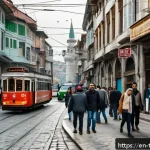
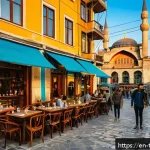
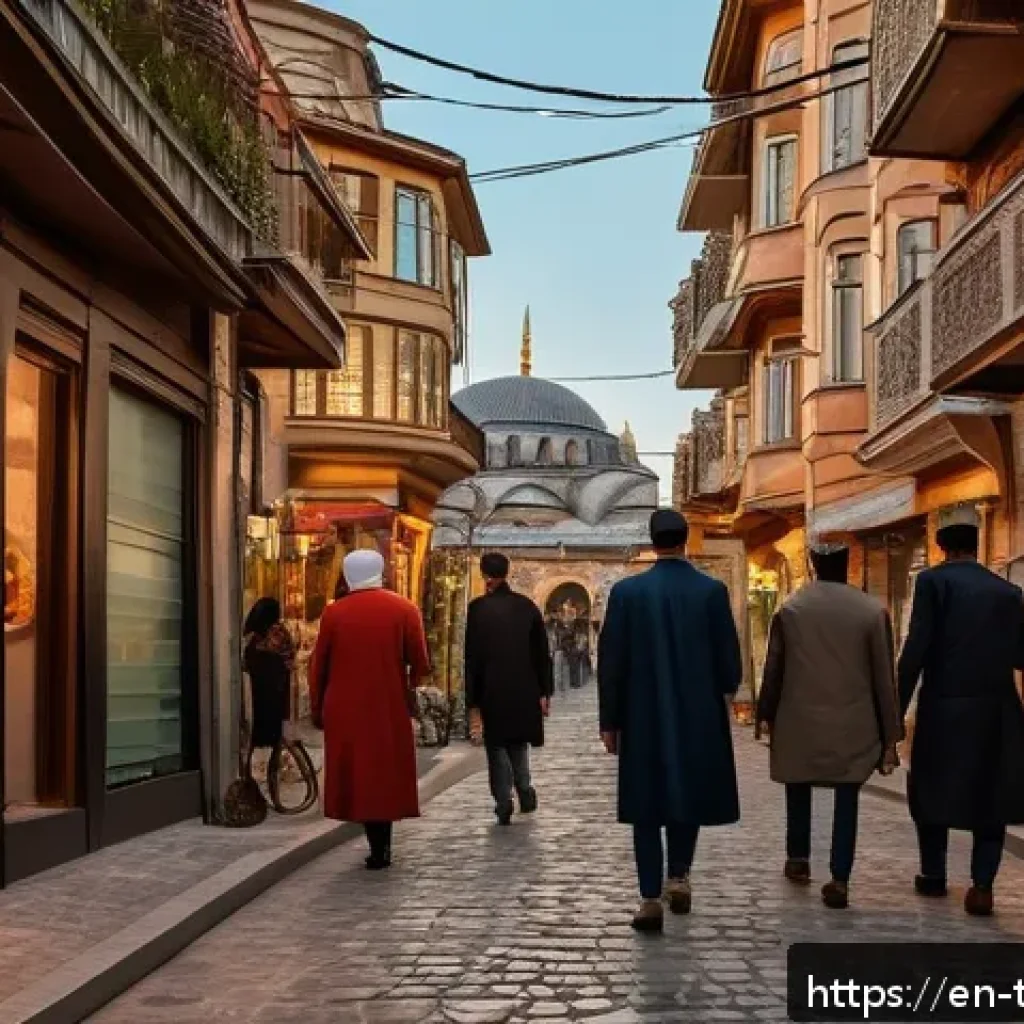
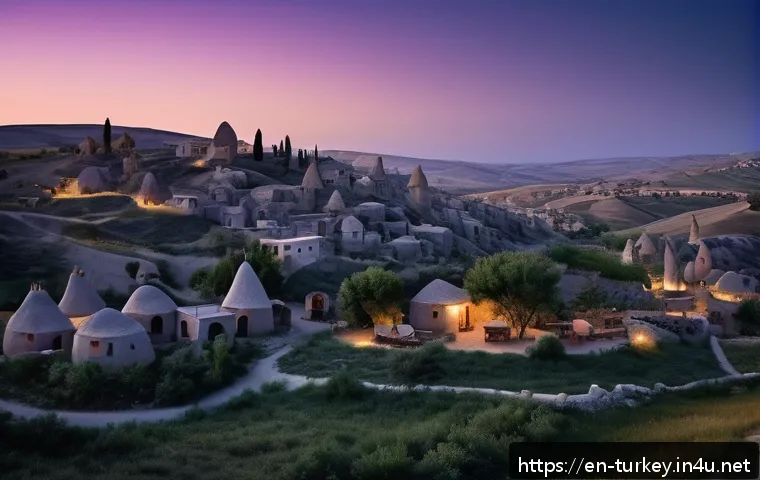
One of the standout features of Turkish films is their striking visuals, largely credited to meticulous location scouting. Whether it’s the iconic streets of Istanbul, the fairy chimneys of Cappadocia, or the Mediterranean coastline, locations are chosen not just for aesthetics but for their ability to amplify the story’s mood.
Scouting teams spend weeks exploring sites that can authentically reflect the script’s setting. This hands-on approach often leads to discovering hidden gems that become cinematic landmarks, enriching the film’s visual identity.
Production Design as a Storytelling Tool
Beyond locations, the production design team plays a crucial role in creating immersive environments. Set designers and art directors work closely with directors to build spaces that convey the characters’ lifestyles and emotional states.
From the intricate details in a traditional Turkish home to the modernity of a bustling café, every element is thoughtfully curated. This attention to detail not only adds realism but also serves as a silent narrator, subtly influencing the audience’s perception of the story.
Costumes Reflecting Character and Culture
Costume designers in Turkish cinema are adept at blending cultural heritage with character development. Clothing choices are never arbitrary; they reflect social status, personality, and even the character’s internal journey.
For historical dramas, costumes are painstakingly researched to ensure authenticity, while contemporary films often incorporate modern Turkish fashion trends, adding another layer of relatability for viewers.
Bringing Vision to Life: Direction and Cinematography
Directorial Vision and Style
Directors in the Turkish film industry are known for their distinctive storytelling styles that combine poetic imagery with raw emotion. Many have a background in theater or literature, which informs their approach to character development and pacing.
A director’s vision guides every element of production, from casting choices to camera angles. This holistic involvement ensures the film feels cohesive and emotionally compelling.
Personally, I’ve noticed that Turkish directors excel at capturing intimate moments, making even the smallest gestures feel significant.
Cinematography: Capturing Mood and Movement
Turkish cinematographers are masters of lighting and composition, creating visuals that linger long after the film ends. They often employ natural lighting to enhance realism, but are not afraid to use bold color palettes to evoke specific emotions.
For example, warm golden hues might be used in nostalgic scenes, while cooler tones underscore tension or melancholy. The camera work is dynamic yet deliberate, with smooth tracking shots and thoughtful framing that draw viewers deeper into the story’s world.
Innovative Use of Technology
While respecting traditional techniques, Turkish filmmakers embrace new technologies to elevate their craft. Drones, steady cams, and advanced digital post-processing are increasingly common, allowing for breathtaking aerial shots and seamless scene transitions.
This blend of old and new tools reflects the industry’s commitment to quality and global competitiveness.
Mastering the Soundscape: Audio and Music
Sound Design that Enhances Atmosphere
Sound engineers in Turkish cinema pay close attention to ambient noises and subtle audio cues that enrich the viewing experience. Whether it’s the bustling sounds of a market or the quiet rustle of leaves in a countryside scene, these details build a convincing soundscape that pulls audiences into the film’s environment.
In my experience, this meticulous approach to sound often distinguishes Turkish films from others, adding layers of immersion that feel almost tangible.
Music as an Emotional Catalyst
Music scores in Turkish films frequently blend traditional instruments like the oud or saz with contemporary orchestration, creating unique auditory textures.
Composers work hand-in-hand with directors to craft themes that resonate emotionally and culturally. The music not only underscores key moments but also reflects the story’s cultural roots, making it an essential storytelling device rather than mere background filler.
Dialogue and Language Nuances
Given Türkiye’s linguistic diversity, dialogue recording is handled with care to preserve authenticity. Actors often speak in regional accents or dialects, adding depth to their characters.
This linguistic variety is embraced rather than toned down, showcasing the country’s rich cultural tapestry and enhancing character realism.
The Art of Editing: Shaping the Final Cut
Crafting Narrative Flow
Editing is where the film truly takes shape, and Turkish editors are skilled storytellers in their own right. They meticulously piece together scenes to maintain pacing and emotional impact.
Often, editors work closely with directors to experiment with scene order or duration, ensuring the story unfolds naturally. From what I’ve observed, this flexibility in post-production allows Turkish films to achieve a balance between artistic expression and audience engagement.
Incorporating Visual Effects Thoughtfully
While Turkish cinema doesn’t rely heavily on CGI, visual effects are used strategically to enhance storytelling. Whether it’s subtle enhancements to a landscape or more elaborate effects in fantasy genres, the goal is always to support the narrative rather than overshadow it.
This restrained use of effects contributes to the industry’s reputation for grounded, character-driven stories.
Sound and Color Grading Synchronization
Post-production also involves synchronizing sound and color grading to create a cohesive sensory experience. Colorists adjust tones to match the film’s mood, while sound editors ensure dialogue clarity and balance with music and effects.
This final polish is crucial in transforming raw footage into a polished cinematic piece ready for global audiences.
Promotion and Distribution: Bringing Turkish Films to the World
Strategic Marketing in a Digital Age
Promotion strategies for Turkish films have evolved with the rise of digital platforms. Social media campaigns, teaser trailers, and influencer collaborations are now integral to generating buzz.
Filmmakers and distributors often target niche audiences passionate about regional cinema, leveraging streaming services to reach viewers worldwide. Personally, I’ve noticed that well-executed digital marketing can dramatically boost a film’s visibility beyond traditional festival circuits.
Film Festivals as Launchpads
International film festivals remain crucial for Turkish films to gain recognition and distribution deals. Events like the Istanbul Film Festival, Antalya Golden Orange, and Cannes often serve as platforms for debuting new works.
The exposure gained here can open doors to global markets and streaming platforms, helping Turkish cinema secure its place on the world stage.
Collaborations with Streaming Services
Partnerships with major streaming platforms have transformed how Turkish films reach audiences. These collaborations offer filmmakers greater creative freedom and access to vast viewerships.
Streaming services also invest in original Turkish productions, fueling the industry’s growth. From my perspective, this shift has democratized access to Turkish cinema, making it easier for international viewers to discover and appreciate these rich stories.
Key Roles and Their Impact in Turkish Film Production
| Role | Primary Responsibility | Impact on Final Film |
|---|---|---|
| Screenwriter | Develops the story, characters, and dialogue | Sets the narrative foundation and emotional core |
| Director | Oversees creative vision and guides cast and crew | Shapes the film’s tone, pacing, and style |
| Production Designer | Creates sets and selects locations | Establishes visual authenticity and atmosphere |
| Cinematographer | Manages lighting and camera work | Enhances mood and visual storytelling |
| Editor | Assembles footage into final cut | Controls narrative flow and emotional impact |
| Sound Designer | Creates audio environment and effects | Immerses audience and supports storytelling |
| Composer | Scores music aligned with film themes | Amplifies emotional resonance |
Challenges and Triumphs in Turkish Filmmaking
Navigating Budget Constraints
Many Turkish filmmakers operate with limited budgets compared to Hollywood counterparts, demanding resourcefulness and creativity. This often means relying on local talent, practical effects, and authentic locations rather than expensive studio sets.
Despite these constraints, the results can be surprisingly polished, showcasing how passion and ingenuity often trump financial limitations.
Balancing Art and Commercial Appeal
Turkish cinema frequently walks a fine line between artistic expression and market demands. Filmmakers strive to tell meaningful stories without sacrificing accessibility.
This balancing act is evident in the rise of genre films—thrillers, romantic comedies, and historical epics—that maintain cultural specificity while appealing broadly.
The industry’s ability to cater to both niche and mass audiences is a testament to its versatility.
Global Recognition and Cultural Impact
The international acclaim Turkish films receive today is a reflection of their universal themes and distinct voice. Success stories on streaming platforms and film festivals have boosted national pride and encouraged investment in the arts.
From what I’ve witnessed, this momentum continues to inspire new generations of filmmakers eager to share Türkiye’s stories with the world.
In Conclusion
Turkish cinema masterfully blends rich cultural heritage with modern storytelling techniques, creating films that resonate deeply with diverse audiences. The collaborative efforts behind each production highlight a dedication to authenticity and artistic integrity. From script to screen, the passion and creativity of filmmakers shine through, offering a unique cinematic experience. This journey showcases the vibrant spirit and evolving landscape of Turkey’s film industry.
Helpful Insights
1. Storytelling in Turkish films is deeply rooted in cultural authenticity, making narratives emotionally compelling and relatable.
2. Collaboration among writers, directors, and actors is key to crafting natural dialogue and cohesive storytelling.
3. Location scouting and production design are carefully chosen to enhance the story’s atmosphere and visual appeal.
4. Turkish filmmakers skillfully balance traditional themes with innovative techniques, appealing to both local and global viewers.
5. Digital marketing and streaming partnerships have expanded the reach of Turkish cinema, opening doors to international audiences.
Key Takeaways
Understanding the importance of cultural context, teamwork, and creative resourcefulness is essential to appreciating Turkish film production. The industry’s ability to navigate budget challenges while maintaining artistic quality demonstrates resilience and innovation. Embracing both tradition and modernity allows Turkish cinema to stand out on the world stage, making it a dynamic and influential force in global filmmaking.
Frequently Asked Questions (FAQ) 📖
Q: uestions about Turkish Film ProductionQ1: What makes Turkish films stand out in the global cinema landscape?
A: Turkish films are known for their rich storytelling that blends tradition with modern themes, often exploring deep emotional and social issues. The vibrant visuals and authentic cultural settings create an immersive experience.
Having watched several Turkish films myself, I noticed how directors skillfully balance local flavor with universal appeal, making their work resonate worldwide.
Q: How does the scriptwriting process typically work in Turkish film production?
A: Scriptwriting in Turkey often starts with extensive research and consultation with cultural experts to ensure authenticity. Writers may draw inspiration from folklore, contemporary life, or historical events.
From my conversations with filmmakers, they emphasize character depth and emotional arcs, ensuring the story feels genuine and relatable before moving to shooting.
Q: What role do streaming platforms play in the growth of the Turkish film industry?
A: Streaming platforms have been a game-changer by providing Turkish filmmakers with a global audience and more creative freedom. This exposure encourages diverse storytelling and higher production values.
From what I’ve observed, platforms like Netflix and local services invest in original Turkish content, which boosts the industry’s visibility and opens doors for international collaborations.