
Stepping into a Turkish kitchen, or even just wandering through a bustling bazaar, is an assault on the senses in the absolute best way possible. The air is thick with the rich, earthy aromas of cumin, the bright tang of sumac, and the gentle, vibrant heat of pul biber, all promising incredible culinary adventures.
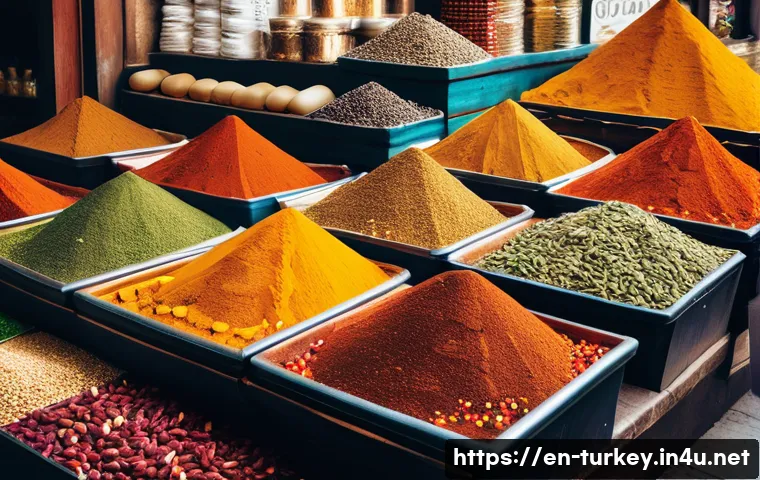
I still remember my first time truly experiencing this symphony of scents and flavors – it wasn’t just food; it was a story told through generations of passion and tradition.
These aren’t just ingredients; they are the very heart and soul of Turkish gastronomy, transforming simple dishes into unforgettable feasts and offering incredible health benefits many are just beginning to discover.
Ready to unlock the secrets behind those mesmerizing tastes and elevate your own cooking? Let’s dive deep into the aromatic world of Turkish spices and truly understand their magic.
The Heartbeat of Turkish Cuisine: More Than Just Flavor
Cumin’s Earthy Embrace: A Foundation Stone
Ah, cumin! If you’ve ever savored a perfectly spiced köfte or felt the comforting warmth of a lentil soup in Turkey, you’ve tasted the magic of cumin, or *kimyon* as they call it there.
My very first culinary journey through Turkey truly opened my eyes – and my palate – to what real cumin tastes like. It’s a revelation, honestly. Forget the pre-ground, sometimes bland versions we often find; Turkish cumin is deeply aromatic, almost nutty, with an underlying warmth that’s both earthy and subtly sweet.
I remember picking up a small bag from a spice vendor in Istanbul, the scent alone was intoxicating, promising culinary adventures. It transforms simple ground meat into a vibrant, flavorful experience, making every bite of a lahmacun or a grilled skewer an unforgettable moment.
I’ve learned that lightly toasting whole cumin seeds before grinding them yourself is the absolute secret weapon to unlock this spice’s full potential.
The difference is night and day, trust me on this! It’s not just an ingredient; it’s the soul of so many beloved Turkish dishes.
Pul Biber: The Gentle Warmth and Vibrant Hue
Then there’s pul biber, also known as Aleppo pepper or Marash pepper flakes, which holds a truly special place in my spice cabinet. This isn’t your aggressive, fiery chili flake; pul biber offers a more nuanced, gentle heat that builds slowly, accompanied by a beautiful fruity undertone and a vibrant red color.
I first encountered it sprinkled liberally over a plate of perfectly fried eggs in a tiny cafe in Antalya, and I was instantly hooked. It added this incredible dimension without overwhelming the delicate flavor of the eggs.
It’s often infused with a bit of olive oil, which gives it a slight richness and helps preserve its moisture and distinct flavor. I now use it on virtually everything – from a simple bowl of yogurt to grilled chicken, roasted vegetables, and of course, any Turkish dish I attempt at home.
It’s like a warm hug for your taste buds, adding both visual appeal and a comforting, mild kick that invites you to keep eating. It’s become an indispensable part of my cooking repertoire, a testament to how subtly powerful a single spice can be.
Unlocking Ancient Secrets: Beyond the Well-Known Staples
Sumac’s Tangy Brightness: The Zest of the East
Sumac, or *sumak*, is another one of those game-changers that once you try, you can’t imagine cooking without. It’s truly the lemon of the spice world, offering a delightful tartness that brightens dishes without the liquid or sharp acidity of citrus.
My first real appreciation for sumac came with a simple Turkish shepherd’s salad, *çoban salatası*. The vibrant purple-red powder sprinkled over fresh tomatoes, cucumbers, and onions provided an incredible zing that cut through the richness of other dishes on the table.
It’s fantastic on grilled meats, especially kebabs, where its fruity, acidic notes balance the fat and smoky char. I’ve even started using it in marinades for chicken and fish, and it works wonders.
It gives dishes a sophisticated, tangy edge that makes them taste incredibly fresh and vibrant. You can also sprinkle it on hummus, falafel, or even avocado toast for an unexpected burst of flavor.
It’s such a versatile ingredient, and honestly, it’s one of those things I wish I had discovered years ago!
Mint’s Fresh Whisper: Aromatic Elevation
While fresh mint is widely used, dried mint, or *kuru nane*, holds its own unique charm in Turkish cuisine. It’s not just a garnish; it’s a flavor powerhouse.
I remember being skeptical at first, thinking dried mint couldn’t possibly compete with fresh. Oh, how wrong I was! Its aroma is more concentrated, almost herbaceous, and it brings a totally different profile to dishes.
I first fell in love with dried mint in a classic lentil soup, where it’s often fried briefly in butter or olive oil with a pinch of pul biber before being stirred in.
The transformation is remarkable; it adds a warm, savory freshness that’s utterly unique. It’s also a key player in yogurt-based dishes, salads, and especially with fried eggs.
My personal tip? Lightly crush the dried leaves between your palms before adding them to release their full essential oils. It makes all the difference!
This simple act enhances its fragrance and ensures it infuses beautifully into your food, proving that sometimes, the dried version of an herb can be just as, if not more, impactful than its fresh counterpart.
The Spice Market Experience: Sourcing and Selection
Navigating the Bazaar: Finding Authentic Quality
Stepping into a Turkish spice market is an experience for all the senses. The vibrant colors, the intoxicating aromas, the bustling energy – it’s a living testament to centuries of culinary tradition.
When I was first exploring the Grand Bazaar, it felt overwhelming, but I quickly learned to seek out vendors who specialize in spices. You’ll notice the quality difference immediately.
Look for brightly colored spices, stored in large, open sacks that allow you to smell their potency. Good quality spices should have a strong, distinct aroma; if they smell faint or dusty, move on.
I always ask to smell them before buying. For things like pul biber and sumac, freshness truly impacts the flavor profile, so avoid anything that looks too old or faded.
I’ve found that buying small quantities more frequently ensures you always have the freshest, most potent spices. It might feel a bit intimidating at first, but don’t be shy to engage with the vendors; they often have incredible insights and will gladly share tips on how to best use their wares.
It’s part of the authentic Turkish experience!
From Local Shops to Online Finds: Expanding Your Pantry
While the romance of a Turkish bazaar is unparalleled, not everyone can hop on a plane to Istanbul. Thankfully, the world of Turkish spices is increasingly accessible.
My journey into recreating Turkish flavors at home led me to explore various avenues for sourcing. Many specialty ethnic grocery stores in larger cities now carry a fantastic selection of authentic Turkish spices.
I’ve found some truly excellent brands that import directly, ensuring high quality. When buying pre-packaged spices, always check the “best by” date and look for clear, vibrant colors.
Online retailers have also become a treasure trove. A quick search for “Turkish spices” will reveal numerous options, often from smaller businesses run by Turkish diaspora who are passionate about sharing their culinary heritage.
Reading reviews is key here, looking for those that mention freshness and authentic flavor. I’ve personally had great success with a few online shops, and it’s allowed me to maintain a fully stocked Turkish spice pantry, even thousands of miles away from Turkey.
It’s truly amazing how technology helps us bring the world’s flavors right into our kitchens!
Spice Up Your Plate: Practical Uses and Blends
Crafting Your Own Mixes: Mastering the Art of Turkish Flavors
One of the most rewarding aspects of diving deep into Turkish spices is learning to create your own blends. While many excellent pre-made spice mixes exist, there’s something incredibly satisfying about tailoring them to your exact taste.
For example, a basic kofta spice blend usually involves cumin, pul biber, black pepper, and sometimes a hint of dried mint. But what if you love a little extra kick?
You can increase the pul biber. Or perhaps you want more depth? Add a touch of allspice.
I love experimenting with different ratios, playing around until I hit that perfect balance. A great starting point for grilled meats is a mix of sumac, dried oregano (*kekik*), pul biber, and a little salt.
For roasted vegetables, I often lean towards a blend of cumin, dried mint, and a touch of paprika. Don’t be afraid to taste and adjust as you go; cooking is an art, not a rigid science!
This personal touch not only makes your dishes uniquely yours but also deepens your understanding of how each spice contributes to the overall flavor profile.
Unexpected Pairings: Elevating Everyday Meals
The beauty of Turkish spices isn’t just in traditional dishes; they can absolutely elevate your everyday cooking in surprising ways. I’ve experimented a lot, and some of my favorite “unconventional” uses have become staples in my kitchen.
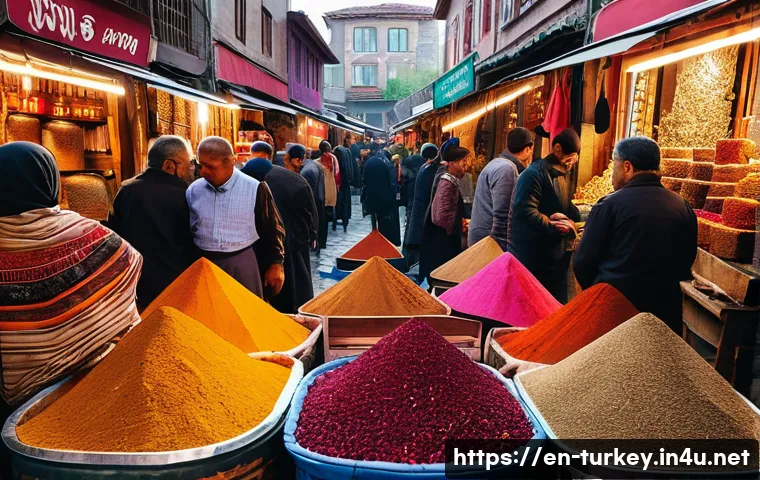
For example, a pinch of pul biber in your scrambled eggs or omelet in the morning adds a lovely warmth and color, far more interesting than just black pepper.
Sumac is incredible sprinkled over a simple green salad with a vinaigrette – it adds a zesty brightness that will make your taste buds sing. I’ve also found that dried mint can be a fantastic addition to savory yogurt dips, even a simple raita, giving it an authentic Mediterranean twist.
My latest obsession is adding a touch of cumin and pul biber to my homemade chili or even a lentil soup, completely transforming them with a Turkish flair.
It’s about being adventurous and letting these incredible flavors inspire you. You might just discover your next favorite seasoning by thinking outside the traditional recipe box!
| Spice (English) | Turkish Name | Primary Flavor Profile | Common Uses |
|---|---|---|---|
| Cumin | Kimyon | Earthy, warm, slightly bitter | Koftes, stews, soups, meat dishes, lahmacun |
| Aleppo Pepper / Pul Biber | Pul Biber | Mild-moderate heat, fruity, slightly oily | Sprinkled on eggs, kebabs, salads, soups, stews |
| Sumac | Sumak | Tangy, lemony, fruity | Salads, grilled meats, fish, hummus, yogurt sauces |
| Dried Mint | Kuru Nane | Aromatic, herbaceous, warm | Soups (especially lentil), yogurt dishes, salads, eggs |
| Oregano | Kekik | Earthy, peppery, slightly bitter | Grilled meats, chicken, vegetables, salads |
| Red Pepper Flakes | Acı Pul Biber | Spicy, hot, smoky | Used for more heat in dishes, often with pul biber |
Beyond the Kitchen: The Cultural Tapestry of Turkish Spices
Aromatic History: Spices as Cultural Storytellers
Turkish spices are so much more than just flavor enhancers; they are living threads in the rich tapestry of Turkish history and culture. Imagine the ancient spice routes, the bustling caravans, and the vibrant markets that have been trading these aromatic treasures for centuries.
Every time I cook with *kimyon* or *pul biber*, I feel a connection to that incredible heritage. It’s not just about the taste; it’s about understanding the stories these spices tell – stories of trade, conquest, and the blending of diverse culinary traditions across Anatolia and beyond.
They’ve been used not only in food but also in traditional medicines and even as dyes. My trips to Turkey taught me that food is a language, and spices are its most eloquent words, conveying warmth, hospitality, and a profound respect for tradition.
When you pick up a bag of sumac, you’re not just buying a seasoning; you’re holding a piece of history, a whisper of ancient markets and grand empires.
It’s this deep cultural significance that makes cooking with Turkish spices so incredibly captivating and endlessly fascinating.
The Social Ingredient: Spices in Turkish Hospitality
In Turkey, food is at the heart of hospitality, and spices play a crucial role in creating those memorable, welcoming meals. I’ve had the privilege of experiencing Turkish hospitality firsthand, and it’s truly something special.
Every meal is an invitation, a gesture of warmth and generosity. The careful selection and blending of spices are part of making guests feel cherished.
A family might use a secret blend of spices passed down through generations to flavor their *mantı* or a special kebab, each bite a taste of their family history and affection.
It’s not just about cooking for sustenance; it’s about cooking with love, and spices are the medium through which that love is expressed. From the comforting aroma of cumin in a hearty soup offered to a visitor to the bright tang of sumac sprinkled over a fresh salad at a festive gathering, these spices are integral to the social fabric.
They bring people together, spark conversations, and create a sensory experience that lingers long after the meal is finished. It really makes you appreciate food not just as fuel, but as a powerful tool for connection and joy.
Health Benefits: The Hidden Power in Your Pantry
Ancient Wisdom, Modern Wellness: Spices as Natural Remedies
It’s truly incredible how many of the spices we cherish for their flavor also come packed with impressive health benefits, a fact that traditional Turkish medicine has known for centuries.
Take cumin, for example; beyond its delicious earthiness, it’s often lauded for its digestive properties and its potential to aid in iron absorption. I’ve personally noticed how a cumin-rich dish feels so much more comforting and easy on the stomach.
Then there’s sumac, which, with its high antioxidant content, is a fantastic addition to any diet. I love thinking that while I’m adding a zesty kick to my salad, I’m also giving my body a little boost.
Pul biber isn’t just about the gentle heat; it also contains capsaicin, which is known for its anti-inflammatory properties. My Turkish friends often speak of spices not just for taste, but for their ‘healing’ qualities, and it’s a perspective I’ve really come to embrace.
It makes every meal feel like a tiny act of self-care, a delicious blend of flavor and wellness.
Beyond Flavor: Incorporating Spices for a Healthier You
Embracing Turkish spices in your cooking isn’t just about exploring new flavor horizons; it’s genuinely about making healthier choices that taste amazing.
I often think about how easy it is to reach for extra salt or unhealthy fats to boost flavor, but with these vibrant spices, you simply don’t need to.
They provide such a profound depth and complexity of taste that you can reduce your reliance on less healthy alternatives. For instance, using generous amounts of dried mint and sumac in a salad dressing can make it incredibly flavorful without needing a ton of oil or sodium.
Incorporating cumin into lentil or vegetable dishes makes them incredibly satisfying and hearty, encouraging you to eat more plant-based meals. I’ve found that by making Turkish spices a staple in my pantry, my overall approach to cooking has become more health-conscious and adventurous.
It’s a win-win: you get to enjoy incredibly delicious food while naturally benefiting from the inherent goodness these ancient ingredients offer. It’s a journey of discovery for both your palate and your well-being.
My Final Thoughts
Wow, what a journey we’ve had through the enchanting world of Turkish spices! From the earthy depth of cumin to the tangy brightness of sumac, it’s clear these aren’t just ingredients; they’re storytellers, health boosters, and incredibly versatile culinary companions. My own kitchen has been utterly transformed by embracing these vibrant flavors, and I truly hope this little guide has inspired you to embark on your own spice adventure. There’s a whole universe of taste waiting to be discovered, right in your pantry!
Handy Tips You’ll Love
1. Always toast whole spices before grinding them yourself. This simple step awakens their essential oils, intensifying their aroma and flavor immeasurably. Trust me, your taste buds will thank you!
2. Store your spices properly in airtight containers, away from direct sunlight and heat. This preserves their potency and prevents them from losing their vibrant flavors too quickly, ensuring every pinch delivers a punch.
3. Don’t be afraid to experiment! Turkish spices are incredibly versatile. Try adding a dash of sumac to your morning avocado toast, or a sprinkle of pul biber to your roasted vegetables for an instant flavor upgrade that goes beyond traditional Turkish dishes.
4. Seek out specialty stores or online retailers for authentic, high-quality Turkish spices. While your local supermarket might have some, the depth of flavor from a dedicated spice shop is often unparalleled, making a real difference in your cooking.
5. Consider the health benefits beyond just the taste. Many Turkish spices, like cumin and sumac, offer fantastic antioxidant and digestive properties, making them a delicious way to boost your well-being with every meal.
Key Takeaways to Remember
So, if there’s one thing I truly want you to take away from our little spice journey, it’s this: Turkish spices are not just about adding flavor; they’re about unlocking a whole new dimension of culinary experience. They bring history, culture, and surprising health benefits right into your kitchen. Embrace the subtle warmth of pul biber, the earthy hug of cumin, the zesty dance of sumac, and the aromatic whisper of dried mint. Don’t be shy to experiment, trust your palate, and most importantly, enjoy the incredible journey of bringing these ancient, vibrant flavors to your table. Your cooking will thank you, and so will everyone you share these incredible dishes with!
Frequently Asked Questions (FAQ) 📖
Q: I’m just starting to explore Turkish cuisine at home, and the sheer variety of spices can be a bit overwhelming! What are the absolute must-have Turkish spices I should grab first to truly capture those authentic flavors, and what magical tastes do they bring to the table?
A: Oh, I totally get it! Walking into a spice shop can feel like stepping into a wonderland, but also a little daunting. If you’re just starting, let me tell you my top three absolute game-changers for Turkish flavors: Pul Biber, Sumac, and Cumin.
First up, Pul Biber, often called Aleppo pepper or Marash pepper. This isn’t just heat; it’s a vibrant, slightly fruity, gently warm sensation that brightens everything it touches.
It’s got this gorgeous deep red color and a slightly oily texture. My first time really tasting it in a Turkish lentil soup, I was hooked! It’s less fiery than cayenne but way more nuanced, offering a delightful warmth without overwhelming other flavors.
Then there’s Sumac. Trust me on this one. It’s a gorgeous reddish-purple spice with a bright, tangy, almost lemony flavor.
Think of it as your secret weapon for adding a fresh, zesty kick to anything. I honestly sprinkle it on everything from salads to grilled meats, and it’s a revelation on roasted vegetables.
It just wakes up your palate in the most delightful way. And finally, Cumin. Now, you might think you know cumin, but Turkish cumin often has a slightly sweeter, earthier, and less pungent profile than some other varieties.
It’s the grounding force in so many savory Turkish dishes, adding a deep, warm, almost nutty foundation. It’s what gives those rich stews and köfte (meatballs) their incredible depth.
Once you start really noticing the difference, you’ll never go back! These three will absolutely transform your kitchen.
Q: I’m really keen to bring those exciting Turkish flavors into my everyday meals, but I’m not always cooking a full-on Turkish feast. Beyond traditional dishes, how can I easily sprinkle these incredible spices into my regular cooking for an instant flavor boost without making things too complicated?
A: This is where the real fun begins, my friend! I totally get not always having time for an elaborate meal, but that doesn’t mean your taste buds should miss out.
The beauty of Turkish spices is how incredibly versatile they are for everyday cooking. For Pul Biber, think beyond kebabs! I love sprinkling it over scrambled eggs or an omelet for a morning kick.
It’s also fantastic on avocado toast, adding a visual pop and a gentle warmth. If you’re making a simple pasta dish, a pinch of pul biber at the end with some olive oil can elevate it instantly.
And honestly, it’s a game-changer on pizza – trust me, try it! Sumac is your new best friend for almost anything that needs a bright lift. I use it like lemon zest.
Sprinkle it generously over salads, especially a simple cucumber and tomato salad, for an incredible zing. It’s phenomenal on grilled chicken or fish, giving them a lovely tangy crust.
You know what else? A tiny bit mixed into Greek yogurt with a drizzle of olive oil makes the most amazing dip for veggies or pita bread. And if you’re roasting potatoes or sweet potatoes, sumac before baking just transforms them!
And Cumin, oh wonderful cumin! While it’s a staple in Turkish stews, I often use it to give depth to simpler dishes. Add a pinch to your lentil soup, even if it’s not a traditional Turkish recipe, and watch it become so much richer.
It’s fantastic in marinades for chicken or lamb, even for your weekly sheet pan dinners. I even sneak a little into my homemade hummus or a simple bean chili – it just brings this gorgeous, earthy warmth that makes everything feel cozier and more complex.
Don’t be afraid to experiment; you’ll be amazed!
Q: Beyond their amazing flavors, are there any particular health benefits associated with Turkish spices, or perhaps some traditional wisdom passed down through generations about their use that I should know about?
A: That’s a brilliant question, and honestly, it’s a huge part of why I adore these spices so much! Beyond just making food taste incredible, many Turkish spices have a long history of being valued for their wellness properties, a tradition that’s been passed down for centuries.
Take Sumac, for instance. From what I’ve learned talking to locals and reading up on traditional uses, it’s often praised for its antioxidant properties.
People have used it not just for flavor but also in traditional remedies. It’s like a little burst of health with every tangy bite, helping your body fight off the bad stuff.
I definitely feel a little boost when I add it generously to my meals! Then there’s Cumin. This spice is a digestive superhero in many cultures, including Turkey.
I’ve often heard people talk about how it helps with digestion, easing discomfort after a rich meal. My own experience is that dishes with cumin just feel more comforting and settle better.
It’s truly amazing how something so flavorful can also be so soothing for your tummy. And while Pul Biber is famous for its gentle heat, chilies in general, including this lovely pepper, are known to contain compounds that can boost metabolism and have anti-inflammatory effects.
It’s not just about the warmth; it’s about a subtle kind of internal comfort too. It’s truly fascinating to see how these spices aren’t just about taste; they’re woven into a holistic understanding of food and well-being.
It’s a wonderful reminder that when you’re cooking with Turkish spices, you’re not just making a meal; you’re connecting with generations of culinary wisdom and embracing ingredients that nourish both body and soul.