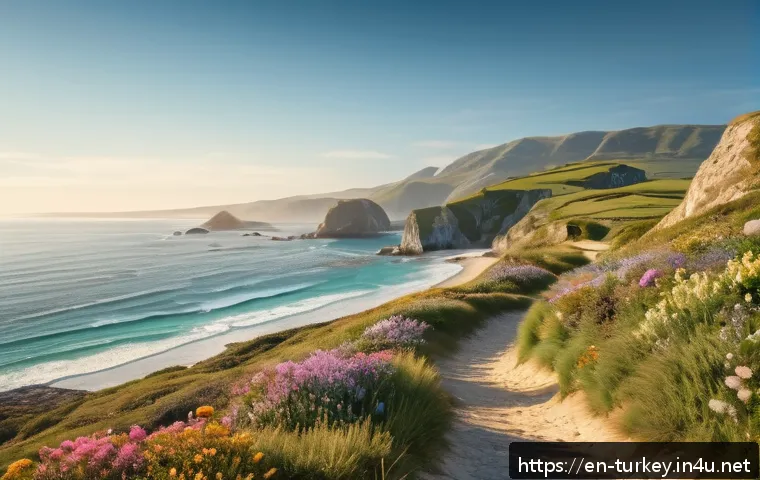
Turkey, a nation blessed with extensive coastlines along the Mediterranean, Aegean, Marmara, and Black Seas, is at a pivotal moment in its journey towards sustainable marine environments.
I’ve personally been following the developments closely, and it’s clear that while the country holds immense “Blue Economy” potential in sectors like fishing, maritime transport, and tourism, there’s a real, urgent need for robust conservation efforts to truly unlock it.
From my perspective, protecting these vibrant waters isn’t just about preserving beautiful natural landscapes; it’s intrinsically linked to the nation’s economic future and the well-being of its coastal communities.
We’re seeing an increased emphasis on sustainable practices and innovative technologies, which is fantastic, but we also can’t ignore ongoing challenges like marine pollution – with studies even pinpointing the Levant Basin as one of the world’s most contaminated deep-sea areas.
Plus, let’s not forget the persistent issues of overfishing and invasive species that constantly threaten biodiversity. It’s a complex picture, one that demands a holistic approach combining national strategy with international cooperation, especially with recent global movements like the High Seas Treaty making waves in ocean governance.
The good news is that organizations like Blue Marine Foundation are actively working on the ground with local partners to enforce protection in Turkey’s marine areas, establishing ranger stations and combating illegal fishing, which shows real commitment.
We’re living in a critical period where every policy decision and every community action impacts the health of our oceans for generations to come. So, how exactly is Turkey navigating these vital waters, and what steps are being taken to ensure its marine ecosystems thrive?
We’re going to dive deep into Turkey’s current and future marine conservation policies and discuss what’s truly at stake. Let’s get into the specifics and understand it accurately!
Safeguarding Our Coastal Gems: A Holistic Approach
Understanding the Richness of Turkey’s Marine Ecosystems
The Imperative for Comprehensive Conservation
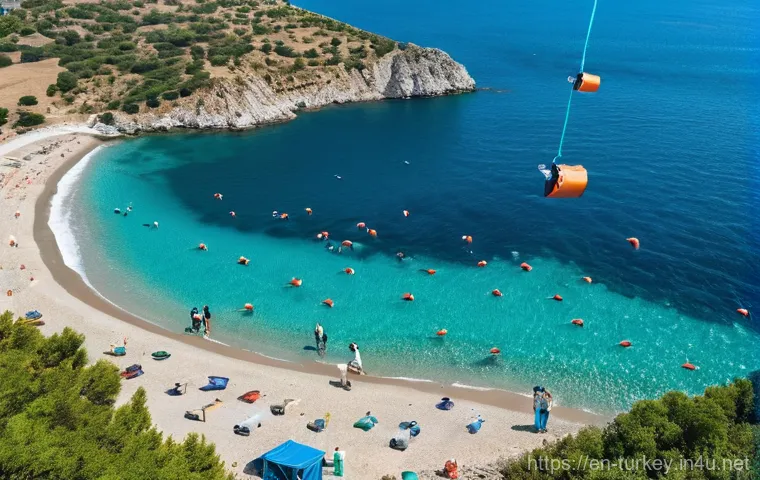
I’ve had the incredible opportunity to explore many of Turkey’s breathtaking coastlines, from the tranquil Aegean coves to the vibrant Mediterranean shores, and each visit reinforces my deep appreciation for the country’s marine biodiversity.
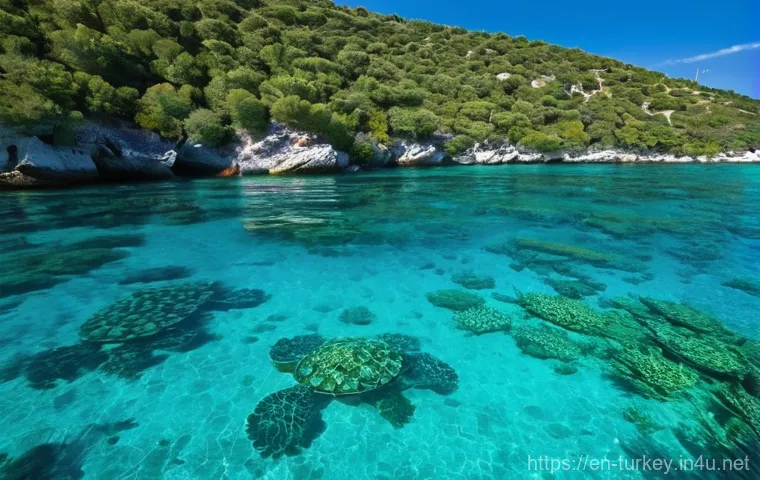
It’s not just about the stunning turquoise waters; it’s about the intricate web of life beneath them – the colourful fish, the ancient sea turtles, and the delicate coral formations that truly make these areas unique.
I remember snorkeling near Kaş a few years ago, and being utterly mesmerized by the sheer variety of marine life. It really drove home how crucial it is to protect these habitats.
This isn’t just an ecological concern; it’s also a cultural and economic cornerstone. Local communities, particularly those in fishing villages and coastal towns, depend heavily on the health of these seas for their livelihoods.
When we talk about marine conservation, we’re essentially talking about securing the future for countless families and preserving a vital part of Turkey’s natural heritage.
From what I’ve observed, there’s a growing awareness that a healthy marine environment isn’t a luxury, but a necessity, underpinning everything from tourism to sustainable food sources.
This realization is paving the way for more integrated and forward-thinking conservation strategies, which is truly heartening to see.
Stemming the Tide: Tackling Marine Pollution Head-On
The Unseen Dangers of Plastic and Chemical Runoff
Innovative Solutions for Cleaner Seas
One of the most disheartening sights, especially when you’re out on the water, is marine pollution. It’s a global scourge, but here in Turkey, with such extensive coastlines and a bustling maritime industry, the challenges are particularly acute.
I recall a beach clean-up event I participated in near İzmir, and the sheer volume of plastic waste we collected was just staggering. It wasn’t just the obvious bottles and bags; it was tiny microplastics embedded everywhere.
This isn’t just an aesthetic issue; it’s a direct threat to marine life, often mistaken for food, leading to severe health problems for animals, and ultimately impacting the entire food chain.
Beyond plastics, we also grapple with industrial runoff and agricultural chemicals that silently poison our waters. The good news is that there’s a real push for innovative solutions.
We’re seeing more investment in wastewater treatment plants, initiatives for proper waste management on land to prevent it from reaching the sea, and even fascinating projects using AI and drones to detect and collect marine debris more efficiently.
I’m especially excited about the potential of community-led clean-up efforts coupled with technological advancements; it feels like a double-pronged attack on this persistent problem.
The journey to truly pristine waters is a long one, but with these dedicated efforts, I’m optimistic we’re on the right path.
Rebalancing the Scales: Confronting Overfishing and Invasive Species
The Delicate Dance of Fishery Management
Battling the Invaders: Protecting Native Biodiversity
It’s a tricky balance, isn’t it? On one hand, fishing is a time-honored tradition and a vital economic activity for many coastal communities. On the other hand, the pressure on fish stocks has been immense.
I’ve heard countless stories from older fishermen about the “good old days” when catches were abundant, and it makes you realize just how much things have changed.
Overfishing doesn’t just reduce the number of fish; it disrupts entire ecosystems, impacting predators and prey alike. The push now is towards truly sustainable fishing practices, which includes stricter quotas, enforcing seasonal bans, and promoting selective fishing gear that minimizes bycatch.
I personally believe educating fishermen on these sustainable methods is key; they are, after all, the stewards of the sea. Beyond overfishing, we have another formidable foe: invasive species.
The warming Mediterranean waters, coupled with the opening of the Suez Canal, have led to an influx of species from the Red Sea, often outcompeting or preying on native species.
I remember seeing lionfish during a dive, and while beautiful, knowing their detrimental impact on local ecosystems is concerning. Combating these invaders requires careful monitoring and sometimes targeted removal programs.
It’s a continuous battle to protect the unique biodiversity of Turkish waters, one that demands constant vigilance and adaptive strategies.
Embracing Innovation: Technology and Policy for a Sustainable Future
Leveraging Cutting-Edge Technology for Marine Conservation
Shaping the Future: Progressive Policy Frameworks
It’s genuinely inspiring to see how technology is becoming a powerful ally in our quest for marine conservation. I’ve been tracking some fascinating developments, like using satellite imagery and underwater drones to monitor marine protected areas, identify illegal fishing activities, and even track the health of coral reefs.
Imagine the data we can collect now compared to even a decade ago! This isn’t just about fancy gadgets; it’s about giving scientists and policymakers the precise, real-time information they need to make informed decisions.
Artificial intelligence is also playing a role, helping to analyze vast datasets to predict environmental changes and optimize conservation efforts. Hand-in-hand with technological advancements are the policy shifts.
I’ve noticed a significant increase in discussions around new legislation aimed at strengthening marine protected areas (MPAs) and integrating international agreements like the High Seas Treaty into national frameworks.
It’s not an easy task, balancing economic interests with environmental protection, but the momentum is definitely there. From what I can gather, there’s a strong desire to not just react to environmental problems, but to proactively shape a future where our seas are truly protected and sustainably managed.
This forward-thinking approach, combining smart tech with robust policy, is what gives me real hope for Turkey’s marine environments.
Community at the Helm: Engaging Local Stakeholders
The Power of Local Voices in Conservation Efforts
Fostering a Culture of Ocean Stewardship
You know, all the policies and technologies in the world won’t be truly effective without the buy-in and active participation of local communities. This is something I feel incredibly passionate about.
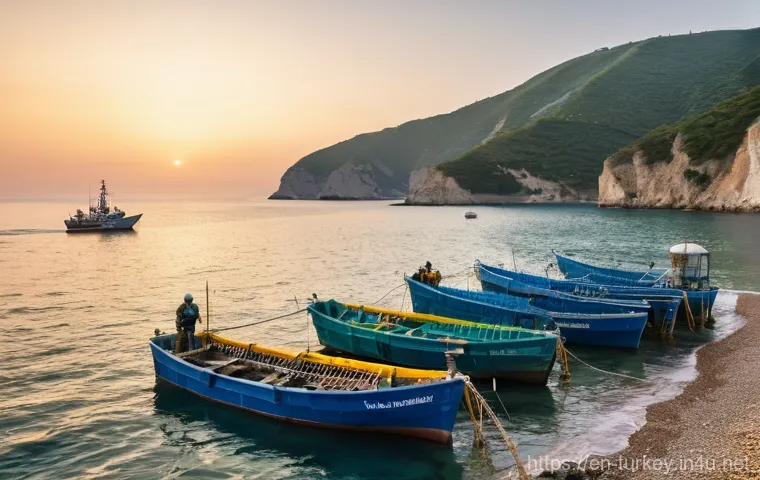
I’ve personally seen how much difference it makes when fishermen, coastal residents, and tourism operators are brought into the conversation, rather than having regulations imposed on them.
When local people feel a sense of ownership over conservation initiatives, that’s when real, lasting change happens. Organizations like the Blue Marine Foundation, which was mentioned earlier, really nail this by working directly with local partners, establishing ranger stations, and providing training.
It’s about empowering them to be the frontline guardians of their own marine areas. Education plays a huge role here too. Teaching younger generations about the importance of marine ecosystems, why it’s crucial to manage waste, and how overfishing impacts their future, creates a ripple effect.
It’s about fostering a culture of ocean stewardship that becomes deeply ingrained in society. From my conversations with people living along the coast, there’s a deep, inherent respect for the sea; it’s just a matter of channeling that respect into effective conservation actions.
This collaborative approach, where local knowledge meets scientific expertise, is proving to be incredibly powerful.
Turkey’s Oceanic Ambitions: A Global Perspective
Aligning with International Marine Conservation Goals
Forging Partnerships for Cross-Border Protection
It’s clear that Turkey isn’t operating in a vacuum when it comes to marine conservation. The challenges facing our oceans, like pollution and climate change, don’t respect national borders, which is why international cooperation is absolutely vital.
I’ve been particularly interested in how Turkey is aligning its strategies with broader global efforts, such as the United Nations Sustainable Development Goals, especially SDG 14: Life Below Water.
Participating in and adhering to international conventions, like the Barcelona Convention for the Protection of the Marine Environment and the Coastal Region of the Mediterranean, demonstrates a strong commitment to regional environmental governance.
Furthermore, the recent High Seas Treaty, while primarily focused on areas beyond national jurisdiction, sets an important precedent for global ocean governance that I believe will influence national policies and collaborative efforts even within exclusive economic zones.
From my perspective, Turkey’s active engagement in these international forums not only strengthens its own conservation efforts but also positions it as a responsible actor on the global stage.
Forging partnerships with neighboring countries and international organizations is critical for tackling shared marine challenges, such as transboundary pollution and migratory fish stocks.
This collaborative spirit is essential for creating a truly resilient and healthy Mediterranean and Black Sea.
Unlocking the Blue Economy: Harmony Between Growth and Green
The Sustainable Promise of Marine Resources
Investment in a Resilient Ocean Future
The concept of the “Blue Economy” is something that truly excites me, and it’s particularly relevant for a nation like Turkey with such extensive coastlines.
It’s about recognizing the immense economic potential of our oceans – from sustainable fisheries and maritime transport to coastal tourism and renewable marine energy – but doing so in a way that safeguards the marine environment.
It’s a shift from exploitation to sustainable utilization, and frankly, it makes perfect sense. I’ve often thought about how a thriving marine ecosystem directly fuels sectors like tourism; who wants to visit a polluted beach or a depleted fishing ground?
I’m seeing a real push to invest in sustainable marine industries, encouraging practices that are both economically viable and ecologically responsible.
This includes promoting eco-tourism initiatives, supporting small-scale sustainable fisheries, and exploring renewable energy sources like offshore wind power.
It’s not just about protecting what we have; it’s about building a resilient future where economic growth and environmental health go hand-in-hand. From what I’ve observed, there’s a growing understanding that neglecting our oceans is not just an environmental oversight, but a significant economic gamble.
By investing wisely in our marine resources today, we’re essentially securing a prosperous and sustainable tomorrow for Turkey’s coastal communities and beyond.
| Challenge | Key Initiative/Approach | Expected Impact |
|---|---|---|
| Marine Pollution | Enhanced Waste Management, AI-supported debris detection, Wastewater Treatment | Cleaner coastal waters, reduced harm to marine life |
| Overfishing | Stricter Quotas, Seasonal Bans, Sustainable Fishing Gear promotion, Fisher Education | Restoration of fish stocks, healthier marine ecosystems |
| Invasive Species | Increased Monitoring, Targeted Removal Programs, Research & Data Collection | Protection of native biodiversity, ecosystem stability |
| Habitat Degradation | Establishment & Expansion of Marine Protected Areas (MPAs), Coastal Zone Management | Preservation of critical habitats, improved biodiversity |
| Lack of Awareness | Community Engagement Programs, Environmental Education, Citizen Science Projects | Increased public participation, fostering ocean stewardship |
글을 마치며
As I reflect on Turkey’s incredible journey towards marine conservation, it’s clear that safeguarding our breathtaking coastlines and vibrant underwater worlds is a monumental yet incredibly rewarding endeavor. Every step, from tackling pollution to empowering local communities, brings us closer to a healthier, more sustainable future for our seas. I truly believe that by working together, leveraging innovation, and nurturing a deep sense of stewardship, we can ensure that the mesmerizing beauty beneath the waves continues to thrive for generations to come. It’s a collective dream, and one that feels increasingly within our grasp.
알아두면 쓸모 있는 정보
1. Support Sustainable Seafood: When you’re at the market or dining out, try to choose seafood that has been sustainably sourced. Many apps and guides can help you identify options that don’t contribute to overfishing, ensuring healthy fish populations for the future. It’s a simple choice that makes a huge difference, impacting local fishermen who adhere to responsible practices.
2. Reduce Your Plastic Footprint: This one might seem obvious, but its impact is immense. Opt for reusable bags, water bottles, and coffee cups. Say no to single-use plastics wherever possible. I’ve personally made a conscious effort to swap out plastic in my daily routine, and it’s amazing how many alternatives are out there once you start looking.
3. Participate in Local Clean-ups: Look for local beach or underwater clean-up initiatives in your area or when you travel. Joining a group, even for a few hours, offers a tangible way to remove harmful debris and connects you with like-minded individuals who are passionate about ocean health. The camaraderie alone is inspiring!
4. Educate Yourself and Others: Knowledge is power, especially when it comes to complex environmental issues. Take the time to learn about marine ecosystems, the threats they face, and what conservation efforts are underway. Share what you learn with friends, family, and your social networks to raise awareness and inspire action.
5. Advocate for Stronger Policies: Support organizations that are working to influence policy makers and enact stronger marine protection laws. Your voice, whether through petitions, contacting elected officials, or simply spreading the word, can contribute to creating lasting change at a systemic level. It really helps move the needle towards a protected ocean.
중요 사항 정리
From my perspective, Turkey’s commitment to marine conservation is a multifaceted challenge requiring a truly integrated approach. We’ve seen how critical it is to address the pervasive issue of marine pollution, demanding innovative solutions and community-wide behavioral shifts. Equally vital is the delicate balance of managing fisheries sustainably and proactively combating invasive species to protect our native biodiversity. What truly inspires me is the growing role of cutting-edge technology, offering precise monitoring and data-driven conservation strategies, combined with progressive policy frameworks that are shaping a more resilient future. Most importantly, none of these efforts would be genuinely impactful without the active engagement and unwavering dedication of local communities, fostering a deep culture of ocean stewardship. It’s this holistic and collaborative spirit, aligning national efforts with global goals, that will ultimately unlock the full potential of a sustainable “Blue Economy” for Turkey and ensure our precious marine environments thrive for generations to come. This isn’t just about environmental protection; it’s about securing a prosperous and beautiful future that we can all be proud of.
Frequently Asked Questions (FAQ) 📖
Q: What specific policies and strategies is Turkey implementing right now to boost its marine conservation efforts and “Blue Economy”?
A: From what I’ve gathered and seen firsthand, Turkey is really trying to balance economic growth from its incredibly rich coastlines with genuine environmental stewardship, and it’s a dynamic journey.
We’re talking about a multi-pronged approach that’s constantly evolving. One major focus is strengthening its network of Marine Protected Areas (MPAs).
For example, the Gökova Marine Protected Area has been a real success story, showing how effective community-led protection can be, leading to a significant increase in fish biomass and income for local fishers.
They’ve even expanded their MPA network by an additional 350 square kilometers in 2020, with plans for a corridor of protected areas, which is just fantastic news.
Beyond just establishing these zones, there’s a push for sustainable fisheries management, trying to combat issues like overfishing and destructive practices, although this is a continuous battle.
We also see efforts under the broader “Blue Economy” umbrella to promote responsible tourism and shipping. For instance, some Turkish shipyards, like Sirena, are even getting “Blue Wake” certifications for focusing on eco-friendly practices, which is a great step forward for sustainable maritime industries.
The goal here is to ensure that these beautiful waters can sustain both livelihoods and ecosystems for generations, rather than simply being exploited.
It’s a huge undertaking, and it’s wonderful to see the commitment.
Q: Besides pollution, what are the most pressing threats to Turkey’s marine biodiversity, and what actions are being taken to tackle them?
A: It’s true, pollution is a massive headache, especially in areas like the Levant Basin. But from my observations, it’s definitely not the only villain in this story.
The two other big bad guys are definitely overfishing and the rampant spread of invasive species. I mean, it’s genuinely heartbreaking to see the impact of overfishing on local fish stocks.
In places like Gökova Bay, for instance, years of excessive fishing, including illegal and destructive methods, pushed the ecosystem to the brink. The good news is that initiatives like the Marine Ranger System, where local shore fishers are actually empowered to safeguard their own waters and enforce “No-Fishing Zones,” are making a tangible difference.
It’s such a brilliant way to involve the very people whose livelihoods depend on the sea! Then there are invasive species – these non-native invaders are a huge problem, especially in the Mediterranean, often arriving via the Suez Canal or ballast water.
They disrupt food webs and outcompete native species, threatening the delicate balance of the ecosystem. Turkey is actively engaged in initiatives like the “Addressing Invasive Alien Species Threats at Key Marine Biodiversity Areas,” in collaboration with the UNDP and funded by the GEF.
This project focuses on improving legal frameworks, raising public awareness (even in schools!), and conducting scientific conferences to find solutions.
I’ve seen some really innovative ideas come out of these, even promoting the consumption of edible invasive species in some areas to control their populations, which is a win-win if you ask me!
Q: How crucial is international collaboration for Turkey’s marine conservation goals, and can you share examples of such partnerships?
A: In this interconnected world, effective marine conservation is absolutely a team sport, and Turkey is definitely not playing alone. From my vantage point, international collaboration is not just important; it’s essential for tackling issues that don’t respect borders, like marine pollution, migratory species, and even invasive alien species.
We’re seeing more and more of this collaborative spirit, which is truly heartening. A prime example is the High Seas Treaty, which recently reached the threshold for entry into force in January 2026.
This global agreement is a huge step towards protecting marine biodiversity in international waters, and while Turkey’s direct involvement in its ratification isn’t explicitly detailed in every public update, the spirit of such global accords undeniably influences national strategies and encourages cross-border cooperation.
On a more regional and hands-on level, we already know about organizations like the Blue Marine Foundation actively working with local partners in Turkey to enforce protection in marine areas, combating illegal fishing and setting up ranger stations.
This kind of on-the-ground partnership is invaluable. Beyond that, Turkey, being part of the broader Mediterranean community, often participates in regional agreements and initiatives that aim to protect the shared marine environment, often aligning with directives from bodies like the UNEP or the Barcelona Convention, which are vital for a consistent approach to ocean governance across the region.
You also see collaborations with organizations like UNDP, as mentioned earlier, for projects tackling invasive species, showing how crucial external funding and expertise are.
It’s all about shared knowledge, resources, and a collective commitment to protecting our oceans.