Ever found yourself longing for a journey that truly stirs your soul, a place where every corner holds a whisper of the past and a vibrant tale in the present?
Well, let me tell you, Turkey isn’t just another stamp in your passport; it’s a living, breathing storybook waiting to unfold. From sipping strong Turkish coffee in a bustling bazaar to watching the sunrise paint Cappadocia’s fairy chimneys in hues you never imagined, I’ve discovered that this incredible country, perfectly straddling East and West, offers an immersion far beyond the typical tourist trails.
You know, it’s those unexpected moments, like stumbling upon a hidden artisan’s workshop or hearing an ancient legend shared by a local, that truly stick with you.
If you’re ready to experience a destination where history isn’t just preserved but actively lived, where every sight and sound becomes part of your own unforgettable narrative, then you’re in for a treat.
Let’s delve into Turkey’s captivating storytelling journey.
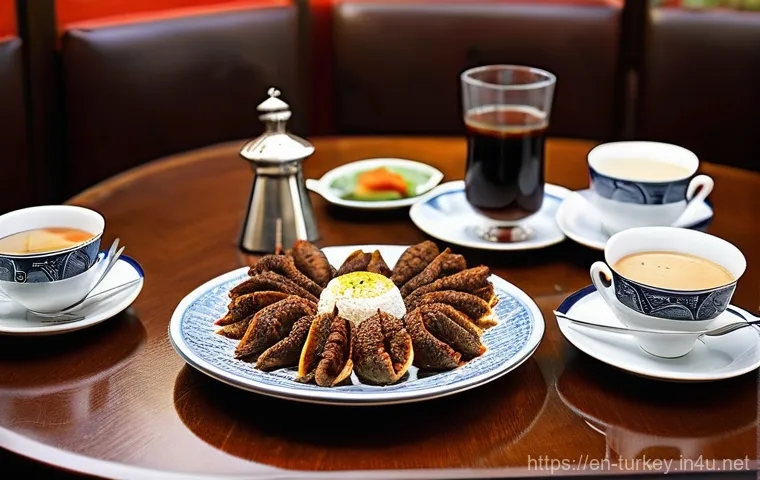
Sipping Stories: The Unforgettable Flavors of Turkish Cuisine
A Culinary Journey for the Senses
One of the absolute highlights of my time in Turkey, and something I always recommend to friends, is diving headfirst into its incredible food scene. Forget everything you *think* you know about Turkish food; it’s so much more than just döner kebabs, though those are undeniably delicious!
I found myself constantly surprised by the sheer variety and depth of flavors, from the savory richness of slow-cooked stews to the delicate sweetness of baklava.
Every meal felt like an event, a story in itself. I remember one evening in Istanbul, sitting at a small, unassuming restaurant tucked away from the main tourist drag, where the owner insisted I try their *iskender kebap*.
The warm bread, succulent lamb, tangy yogurt, and rich tomato sauce, all sizzling together, was a symphony for my taste buds. It wasn’t just the food; it was the atmosphere, the friendly chatter, the clinking of glasses, and the sense of being part of something truly authentic.
It’s experiences like these that stay with you long after the trip is over, making you crave those specific tastes and smells. Trust me, you’ll want to come back just for the food!
More Than Just Kebabs: Regional Delights You Must Try
While kebabs are a staple, Turkey’s regional cuisines offer an astonishing array of dishes. For instance, in the Black Sea region, you’ll encounter a lot of corn-based dishes and incredible anchovy preparations, a far cry from the meaty dishes of the southeast.
When I visited Gaziantep, a UNESCO City of Gastronomy, I understood why it has such a reputation. Their *lahmacun* (Turkish pizza) was out of this world, thin and crispy with a burst of fresh herbs and spiced meat.
And don’t even get me started on the pistachios – they’re used in everything from desserts to main courses, and they are divine. Over in the Aegean region, the influence of fresh olives and vegetables shines through in vibrant salads and exquisite seafood dishes.
I personally fell in love with *menemen*, a scrambled egg dish with tomatoes and peppers, perfect for a leisurely Turkish breakfast. Each region truly tells its own culinary tale, and exploring these local specialties, often at prices that won’t break the bank (a good *pide* can be just a few hundred Turkish Lira!), becomes an adventure in itself.
Don’t be shy; ask locals for their favorites – you’ll often discover the best hidden gems that way!
The Ritual of Turkish Coffee and Tea
You simply cannot visit Turkey without immersing yourself in the age-old rituals of Turkish coffee and tea. It’s more than just a drink; it’s an invitation to slow down, to connect, and to witness a slice of daily life.
I vividly recall sitting in a traditional tea garden in Antalya, sipping perfectly brewed *çay* (Turkish tea) from a delicate tulip-shaped glass, watching the world go by.
It’s usually served piping hot, strong, and often without milk, though you can add sugar to your liking. The hospitality is incredible; often, you’ll be offered tea as a gesture of welcome in shops or homes.
Turkish coffee, on the other hand, is a much richer, more intense experience. Served in small cups, it’s unfiltered, leaving a thick sediment at the bottom – which, fun fact, is sometimes used for fortune-telling!
I once had my fortune read in a tiny café in Sultanahmet, and while I can’t say it came true, it was a truly memorable and delightful interaction. The distinct aroma and robust flavor of Turkish coffee are unmistakable, and it’s something I now make at home to transport myself back to those charming Turkish mornings.
Echoes of Empires: Walking Through Istanbul’s Timeless Streets
Where East Meets West: A City of Layers
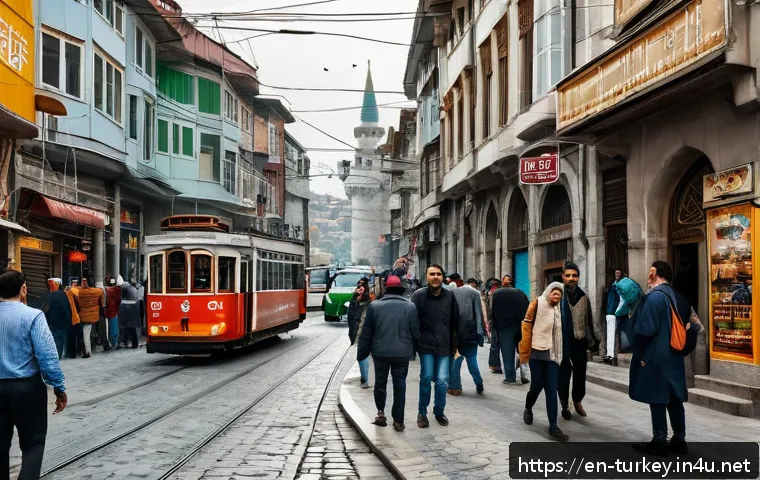
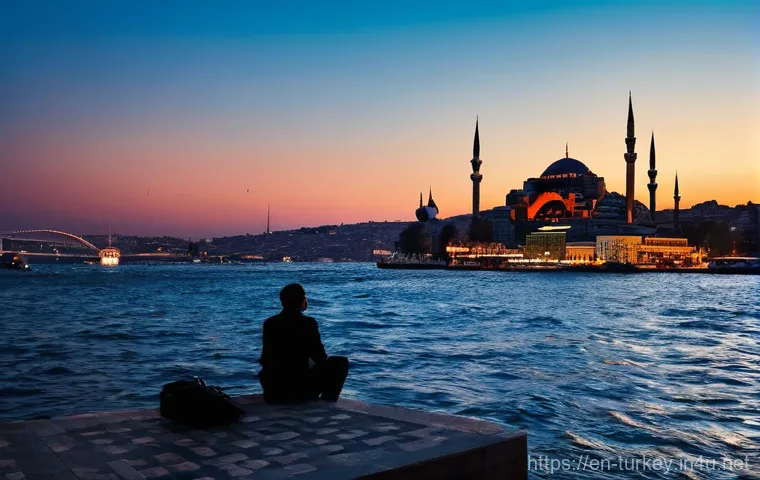
Istanbul truly is a city that defies easy description; it’s a living, breathing testament to millennia of history, a place where Byzantine emperors and Ottoman sultans left their indelible marks.
Walking its cobblestone streets, you can literally feel the weight of history under your feet. It’s not just ancient ruins; it’s a vibrant metropolis where modernity seamlessly intertwines with historical grandeur.
My first morning there, crossing the Galata Bridge with fishing poles lining its railings and the Bosphorus sparkling below, I was utterly captivated.
On one side, the majestic Süleymaniye Mosque stood proud, and on the other, the bustling Eminönü square buzzed with life. It truly felt like stepping through a portal.
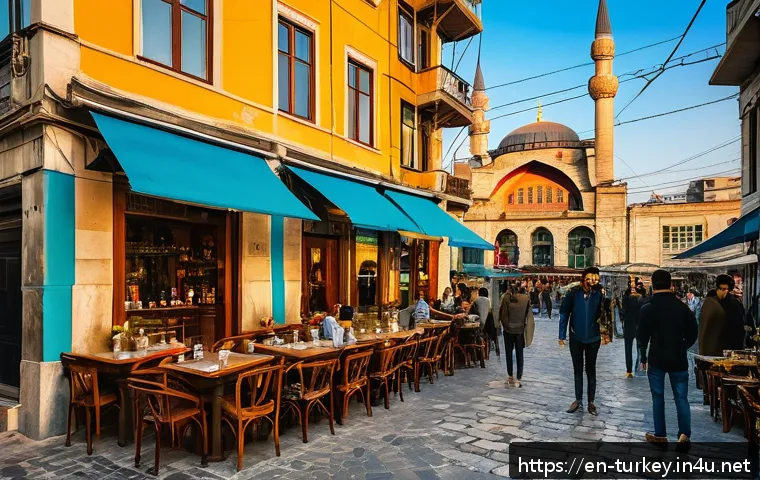
I remember spending hours simply wandering, getting delightfully lost in the labyrinthine alleys behind the Grand Bazaar, discovering hidden mosques and tiny tea shops.
Every corner seemed to reveal a new story, a different architectural style, a fresh aroma. It’s a city that challenges you, delights you, and ultimately, changes you.
The Grandeur of Sultanahmet: A Must-See
You can’t talk about Istanbul without dedicating a significant portion to the Sultanahmet district. This is where you’ll find the iconic Hagia Sophia, the Blue Mosque, and Topkapi Palace, all within a stone’s throw of each other.
I remember standing inside the Hagia Sophia, craning my neck to take in its immense dome, feeling absolutely dwarfed by the sheer scale and beauty of the architecture.
It’s a building that has served as a church, a mosque, and now a mosque again, and you can see the layers of its history etched into its walls. The Blue Mosque, with its cascading domes and six minarets, is equally breathtaking, especially when you see it at dusk as the call to prayer echoes across the square.
And Topkapi Palace, once the opulent residence of Ottoman sultans, offers a fascinating glimpse into imperial life, with its treasury, courtyards, and the infamous Harem.
I found that visiting these sites early in the morning really enhanced the experience, allowing for a more peaceful and contemplative visit before the biggest crowds arrived.
Beyond the Mainstream: Exploring Hidden Gems
While Sultanahmet is essential, Istanbul truly rewards those who venture a little further. I highly recommend exploring neighborhoods like Balat and Fener, with their colorful Ottoman-era houses and strong sense of community.
These areas feel like stepping back in time, and you’ll find charming cafes and artisan workshops tucked away on every street. Another favorite of mine was taking a ferry ride across the Bosphorus to the Asian side, particularly to Kadıköy.
It offers a completely different vibe – more residential, with bustling markets, trendy cafes, and a fantastic food scene that locals adore. I spent an afternoon browsing a vintage market there and then enjoying some delicious street food.
It’s these moments of stepping away from the main tourist routes that truly allowed me to connect with the city’s contemporary pulse and see how Istanbul’s rich history continues to inform its vibrant present.
Don’t be afraid to hop on a local bus or ferry; it’s surprisingly easy to navigate and opens up a whole new side of the city.
Beyond the Postcard: Unveiling Cappadocia’s Magical Depths
Fairy Chimneys and Ancient Dwellings
When I first saw pictures of Cappadocia, I thought they had to be Photoshopped. How could a landscape look so utterly otherworldly? But standing there, amidst the towering “fairy chimneys” and intricately carved cave dwellings, I realized that reality was even more spectacular than any image could convey.
It’s a geological wonderland created by volcanic eruptions and erosion over millions of years, sculpted into these unique cones, pillars, and mushroom-shaped formations.
What truly blew me away, though, wasn’t just the natural beauty, but how ancient civilizations adapted to and lived within this surreal environment. I spent an afternoon exploring the Göreme Open-Air Museum, walking through churches and monasteries carved directly into the rock, adorned with frescoes that are still surprisingly vibrant after centuries.
It really makes you think about human ingenuity and resilience, and how people created homes and places of worship in such an unconventional landscape.
It felt like stepping onto another planet, yet one deeply rooted in human history.
A Sunrise Spectacle: Hot Air Balloons Over Cappadocia
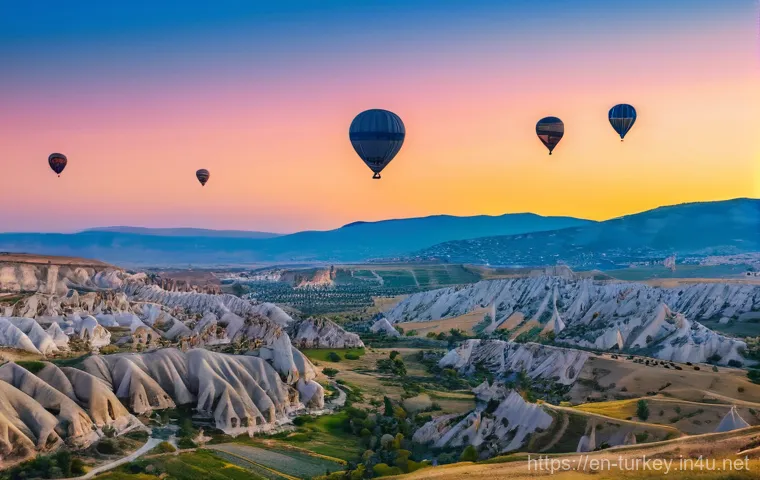
If there’s one experience in Turkey that I’d tell everyone to splurge on, it’s a hot air balloon ride over Cappadocia at sunrise. I’m not usually an early riser, but setting my alarm for 4 AM was absolutely worth it.
Watching hundreds of colorful balloons slowly inflate against the pre-dawn sky, then gracefully ascend as the sun paints the valleys in hues of orange and pink, is a moment etched permanently in my memory.
From above, the fairy chimneys looked like miniature sandcastles, and the vastness of the landscape was simply breathtaking. It’s an incredibly peaceful experience, floating silently above the world, with only the occasional whoosh of the burner breaking the silence.
Many operators, like Royal Balloon or Butterfly Balloons, offer excellent packages, including breakfast after the flight. While it’s an investment, the sheer magic and unique perspective it offers are unparalleled.
It’s one of those bucket-list items that truly lives up to the hype, and I still get goosebumps thinking about it.
Underground Cities and Hidden Valleys
Beyond the iconic balloon rides, Cappadocia holds even more secrets, like its incredible underground cities. I explored Derinkuyu, one of the deepest and most extensive, and it was an absolutely fascinating, if slightly claustrophobic, experience.
These subterranean marvels were built by early Christians to escape persecution, complete with living quarters, stables, churches, and even ventilation shafts.
Walking through the narrow tunnels and vast chambers, you can almost hear the whispers of those who sought refuge there centuries ago. It’s a stark reminder of the region’s rich and often turbulent history.
Then there are the hidden valleys, like Ihlara Valley, which offers fantastic hiking opportunities along a river lined with rock-cut churches. These lesser-known spots allow for a more intimate connection with the landscape and its history, away from the main tourist crowds.
Don’t be afraid to venture off the beaten path; Cappadocia has so many layers to uncover.
Coastal Charms: Azure Waters and Ancient Wonders of the Aegean
Sun-Kissed Beaches and Turquoise Coves
Having spent a fair bit of time exploring Turkey’s historical heartland, I was eager to discover its legendary coastline, and let me tell you, the Aegean region did not disappoint.
The turquoise waters and sun-drenched beaches felt like a world away from the bustling bazaars of Istanbul. Places like Bodrum, Fethiye, and Antalya offer a perfect blend of relaxation and adventure.
I remember a particularly blissful day spent sailing on a traditional gulet boat along the coast near Fethiye, stopping at secluded coves where the water was so clear you could see straight to the bottom.
Taking a dip in those refreshing, crystalline waters under the warm Mediterranean sun was pure bliss. Each coastal town has its own unique character; Bodrum has a chic, vibrant nightlife, while places like Kaş offer a more laid-back, bohemian vibe perfect for diving or snorkeling.
It’s the kind of place where you can truly unwind, with the gentle rhythm of the waves as your soundtrack.
Ancient Ruins by the Sea: A Glimpse into the Past
What truly sets Turkey’s Aegean coast apart for me is the incredible juxtaposition of stunning natural beauty with ancient history. You’re not just getting beautiful beaches; you’re stepping into sites that once thrived thousands of years ago.
Ephesus, for instance, is an absolute marvel. Walking through the ruins of this ancient Roman city, I felt an incredible connection to the past. The Library of Celsus, the Grand Theater, and the Terrace Houses are so well-preserved that you can almost picture life as it was two millennia ago.
I highly recommend hiring a local guide to truly bring the stories to life. Beyond Ephesus, there are countless other significant ancient sites like Pergamon, Troy, and Hierapolis (with its stunning Pamukkale terraces nearby).
It’s a unique experience to spend your morning exploring the remnants of a powerful empire and then your afternoon relaxing on a beach just a short drive away.
It’s a reminder that history isn’t just in museums; it’s alive and integrated into the very landscape.
Adventures on the Water: From Diving to Paragliding
For those who, like me, enjoy a bit more than just lounging, the Aegean coast is a playground for water sports and adventure. Oludeniz, famous for its Blue Lagoon, is also one of the world’s best spots for paragliding.
I watched in awe as colorful parachutes drifted gracefully down from the Babadag mountain, offering incredible panoramic views of the coast. If you’re feeling adventurous, many companies offer tandem paragliding flights, allowing you to experience it even without prior experience.
Below the surface, the crystal-clear waters are perfect for diving and snorkeling, with rich marine life and even some ancient underwater ruins to explore.
From paddleboarding to kayaking, there are endless ways to enjoy the warm Aegean Sea. And of course, boat tours are plentiful, ranging from leisurely cruises to lively party boats, giving you the chance to discover hidden coves and islands that are otherwise inaccessible.
| Dish Name | Description | Best Region to Try | My Personal Tip |
|---|---|---|---|
| Iskender Kebap | Thinly sliced lamb or beef served over pita bread, topped with tomato sauce and yogurt. | Bursa, Istanbul | Pair it with a glass of ayran (yogurt drink) for a truly authentic experience. |
| Menemen | Scrambled eggs with tomatoes, green peppers, and spices, often served in a hot pan. | Aegean Region, Istanbul | Perfect for breakfast, best enjoyed with fresh simit (sesame bread) for dipping. |
| Lahmacun | Thin, crispy dough topped with spiced minced meat, vegetables, and herbs. | Gaziantep, Southeast Turkey | Squeeze some lemon juice over it, add fresh parsley, and roll it up like a taco. |
| Baklava | Layers of thin pastry filled with chopped nuts, sweetened with syrup or honey. | Gaziantep, Istanbul | Seek out a local baklava shop; the freshness makes all the difference. |
| Manti | Tiny dumplings filled with seasoned ground meat, served with yogurt and garlic sauce. | Kayseri, Central Anatolia | The smaller the manti, the more skilled the cook! Look for homemade versions. |
Artisan Soul: Discovering Turkey’s Rich Craftsmanship and Traditions
Weaving Tales: The Art of Turkish Carpets
Stepping into a Turkish carpet shop is like entering a treasure trove of history and artistry. For me, it wasn’t just about shopping; it was about understanding a centuries-old tradition that’s deeply woven into the fabric of Turkish culture.
Each carpet tells a story, with intricate patterns and vibrant colors often carrying symbolic meanings passed down through generations. I remember sitting down with a master weaver in a small workshop in Cappadocia, listening to him explain the difference between various knots and regional styles.
He talked about how some designs were inspired by nature, others by ancient beliefs, and how the entire process, from shearing the wool to dyeing the threads with natural pigments, was a labor of love.
While high-quality carpets can be an investment, they are also timeless pieces of art and tangible memories of your trip. Don’t feel pressured to buy, but do take the time to appreciate the incredible skill and heritage behind these beautiful creations.
Pottery and Ceramics: A Splash of Anatolian Color
The vibrant world of Turkish pottery and ceramics is another aspect of craftsmanship that really captured my imagination. Particularly in towns like Avanos in Cappadocia, you’ll find workshops where artisans use ancient techniques, often passed down from father to son, to create stunning pieces.
I even tried my hand at the potter’s wheel in Avanos – let’s just say my attempts were more amusing than artistic, but it gave me a whole new appreciation for the skill involved!
The Iznik tiles, with their distinctive blue, red, and turquoise floral patterns, are especially famous and can be seen adorning mosques and palaces across the country.
Buying a hand-painted ceramic bowl or plate is a wonderful way to bring a piece of Turkey’s artistic heritage into your home. It’s not just a souvenir; it’s a piece of art that carries the story of its maker and its region.
I found that the direct interaction with these artisans, watching them work and hearing their passion, made the experience so much richer.
The Magic of the Markets: Grand Bazaar and Spice Market
You absolutely cannot visit Turkey without immersing yourself in the sensory overload that is its famous bazaars. The Grand Bazaar in Istanbul is legendary, a sprawling labyrinth of thousands of shops selling everything from exquisite jewelry and leather goods to spices, lamps, and, of course, carpets.
It’s a vibrant, bustling place where you can easily get lost for hours, not just shopping but soaking in the atmosphere. The key here is to embrace the experience, and yes, to haggle!
It’s part of the fun, and often expected. Adjacent to the Grand Bazaar, the Spice Market (or Egyptian Bazaar) is a fragrant paradise. The aroma of cumin, saffron, cinnamon, and countless other spices fills the air, alongside colorful displays of Turkish delight and dried fruits.
I loved tasting different varieties of Turkish delight and buying some exotic teas to take home. These markets aren’t just places to buy things; they’re cultural hubs, places where traditions thrive, and where you can witness the daily rhythm of Turkish life unfold before your eyes.
Connecting with Locals: The Warmth of Turkish Hospitality
A Genuine Welcome: More Than Just a Greeting
One of the most heartwarming aspects of my travels through Turkey was the incredible hospitality extended by its people. It’s not just a polite gesture; it’s a deeply ingrained cultural value, a genuine warmth that makes you feel instantly at home.
I’ve had shopkeepers offer me tea just for browsing, street vendors share stories about their families, and even strangers help me navigate confusing bus routes with a smile.
There’s a particular phrase, “Hoş geldiniz,” which means “welcome,” and you’ll hear it often. It’s always accompanied by a sincere smile and often an offer of help or a simple chat.
I recall one instance in a small town outside Cappadocia where I was asking for directions, and the man I spoke with not only pointed me in the right direction but then walked me halfway there, just to be sure I didn’t get lost.
This kind of spontaneous kindness is truly touching and makes you feel less like a tourist and more like a cherished guest.
Language is No Barrier: Bridging Cultures
While learning a few basic Turkish phrases like “Merhaba” (hello), “Teşekkür ederim” (thank you), and “Lütfen” (please) goes a long way and is always appreciated, I found that language was rarely a significant barrier.
Many people in tourist areas speak English, especially the younger generation. But even in more remote spots, where English might be scarce, people are incredibly patient and resourceful.
Hand gestures, a shared smile, and even translation apps often do the trick. I’ve had some of my most memorable interactions with locals where we communicated purely through smiles and gestures, sharing a moment over a cup of tea or a shared laugh.
It proves that human connection transcends words. Don’t let the fear of a language barrier deter you from venturing off the beaten path; you’ll find that the desire to connect and help often outweighs any linguistic challenges.
Sharing Moments: Tea, Food, and Stories
The heart of Turkish hospitality often lies in sharing. Whether it’s an impromptu offer of tea, a shared meal, or simply sitting down for a chat, these moments are precious.
I learned that accepting these invitations, even if just for a few minutes, is a sign of respect and often leads to the most authentic experiences. I once shared a simple meal of lentil soup with a family at a tiny roadside eatery, and despite the language difference, we managed to convey so much through gestures and laughter.
They were so keen to make sure I enjoyed the food and felt comfortable. These interactions are where you truly gain insights into the culture, hear personal stories, and create memories that are far more meaningful than any postcard.
It’s about opening yourself up to connection, and when you do, Turkey’s welcoming spirit truly shines through. It’s a gift that keeps on giving, making you feel like you’re part of something bigger than just a travel itinerary.
Practical Magic: Navigating Turkey Like a Seasoned Traveler
Getting Around: Mastering Turkish Transportation
Navigating Turkey, especially for the first time, might seem a little daunting, but I promise it’s incredibly manageable and often part of the adventure.
For long distances between major cities, I found that domestic flights are often quite affordable and save a lot of time, especially with airlines like Turkish Airlines and Pegasus offering frequent routes.
For overland travel, Turkey has an excellent network of intercity buses, known as *otobüs*. These are surprisingly comfortable, often equipped with Wi-Fi and even a snack service!
I took several long-haul buses, and they were a fantastic way to see the diverse landscapes. Within cities, public transport is efficient. Istanbul’s tram, metro, and ferry systems are extensive, and I highly recommend getting an Istanbulkart for easy tap-on-and-off travel.
Taxis are available, but always make sure the meter is on, or agree on a price beforehand. For shorter distances in smaller towns, shared minibuses called *dolmuş* are a popular and cost-effective option, just tell the driver where you want to go.
Don’t be afraid to ask for directions; locals are usually very helpful.
Money Matters: Handling the Turkish Lira
When it comes to finances, knowing a few tricks can make your trip smoother. The local currency is the Turkish Lira (TL), and while credit cards are widely accepted in larger establishments, having cash on hand for smaller shops, street vendors, and local markets is always a good idea.
ATMs are readily available in cities and towns, but it’s wise to use reputable bank ATMs during banking hours, just in case of any issues. I always tried to withdraw larger sums to minimize transaction fees.
Haggling is common and expected in bazaars and smaller souvenir shops; it’s part of the cultural experience, so don’t be shy! However, prices in restaurants, supermarkets, and larger retail stores are usually fixed.
I found that keeping a mix of small and large denominations was helpful. Also, remember to factor in tips for good service, especially in restaurants; around 10% is customary if a service charge isn’t already included.
Knowing these small details can really help manage your budget and avoid any surprises.
Staying Connected and Safe: Essential Tips
Staying connected in Turkey is quite easy. Most hotels and cafes offer free Wi-Fi, but for constant connectivity, I highly recommend buying a local SIM card upon arrival.
Turkcell, Vodafone, and Turk Telekom are the main providers, offering various tourist packages that include data and calls at very reasonable rates. It’s incredibly useful for navigation apps and keeping in touch.
In terms of safety, Turkey is generally a very safe country for tourists. However, like any popular destination, it’s always wise to be aware of your surroundings, especially in crowded areas, and keep an eye on your belongings.
I always carried a small cross-body bag for my essentials. Dress modestly when visiting religious sites out of respect, and women might want to carry a headscarf for mosque visits.
Tipping for good service is appreciated, not just in restaurants but also for tour guides and drivers. Trust your instincts, be respectful of local customs, and you’ll have an incredible and safe journey.
Wrapping Up Our Turkish Adventure!
Wow, what an incredible journey we’ve had through the heart of Turkey! From the moment I first stepped onto its ancient lands, I was completely captivated, and I know you will be too. It’s a place that genuinely touches your soul, from the explosion of flavors in its diverse cuisine to the breathtaking beauty of its landscapes, and most importantly, the incredible warmth of its people. Every meal, every historical site, every balloon ride over Cappadocia, and every genuine smile shared felt like a precious gift. Turkey isn’t just a destination; it’s an experience that stays with you, beckoning you back for more stories and more unforgettable moments. It’s truly a place that makes you feel alive, connected, and utterly inspired. Trust me, this isn’t just a trip; it’s an adventure that will create memories you’ll cherish for a lifetime!
Good-to-Know Information for Your Turkish Journey
1.
Navigating Currency: Turkish Lira is Key. The official currency is the Turkish Lira (TRY), and while major credit cards are widely accepted in cities, carrying some cash is essential for smaller shops, local markets, and dolmuş rides. Always opt to pay in TRY if given the choice when using your card to avoid unfavorable exchange rates. It’s smart to exchange a small amount at the airport for immediate needs, then find better rates at exchange offices (döviz bürosu) in the city.
2.
Embrace Public Transportation. Turkey boasts an excellent and affordable public transport network. For intercity travel, domestic flights are efficient for long distances, and the comfortable long-distance buses (otobüs) connect nearly every city and district. Within cities like Istanbul, the metro, tram, and ferry systems are extensive – grabbing an Istanbulkart makes navigating super easy. For shorter, local routes, don’t miss the *dolmuş* (shared minibuses) experience; they’re convenient and cost-effective.
3.
Dress with Respect. While major tourist areas and coastal resorts are generally relaxed, it’s a sign of respect to dress modestly, especially when visiting religious sites or more conservative regions. Women should carry a headscarf for mosque visits to cover their hair, and both men and women should ensure shoulders and knees are covered. Many larger mosques offer scarves at the entrance if you forget yours.
4.
Stay Connected with a Local SIM or eSIM. While Wi-Fi is available in most hotels and cafes, for consistent connectivity, a local SIM card (from providers like Turkcell, Vodafone, or Turk Telekom) or an eSIM is highly recommended. These offer affordable data packages, making navigation apps and staying in touch seamless. Just remember to ensure your phone is unlocked if you plan to use a physical SIM.
5.
Safety First, Always. Turkey is generally a safe country for tourists, particularly in popular areas like Istanbul, Cappadocia, and the Aegean coast. However, always be aware of your surroundings, especially in crowded spots like the Grand Bazaar, and keep an eye on your belongings to deter petty theft. It’s also wise to check your government’s travel advisories, and consider travel insurance for peace of mind.
Key Takeaways for Your Turkish Adventure
Turkey is a land brimming with unparalleled experiences, from its captivating history and diverse, mouth-watering cuisine to its dramatic natural wonders and the incredibly warm embrace of its people. To truly savor your trip, immerse yourself in the local culture, try every delicious dish, and embrace the genuine hospitality that you’ll encounter at every turn. Remember to plan your travel efficiently, respect local customs, and always prioritize your safety. This isn’t just another stamp in your passport; it’s an invitation to explore a vibrant culture that promises to leave you with a treasure trove of cherished memories and stories you’ll be eager to share. So, pack your bags, open your heart, and get ready for the Turkish adventure of a lifetime!
Frequently Asked Questions (FAQ) 📖
Q: Ever heard people rave about Turkey and wonder, “What’s the real magic behind it all?” I mean, what truly makes it that ‘unforgettable narrative’ you talked about, distinct from just another trip abroad?
A: Oh, this is such a fantastic question, and one I get asked a lot! You know, for me, what truly sets Turkey apart isn’t just one thing; it’s this incredible symphony of history, culture, and pure, raw life that you feel everywhere.
It’s not just a collection of ancient ruins you walk through; it’s like the past is still breathing right alongside the present. I’ve been to so many places where history feels preserved under glass, but in Turkey, it’s alive.
Imagine wandering through an ancient Roman theater in Side, and then minutes later, you’re haggling for a hand-woven rug in a vibrant local market, sipping a strong Turkish tea with the seller who tells you about his family.
This perfect, almost seamless, blend of East and West, ancient and modern, creates a vibe that’s utterly unique. I’ve always felt this incredible sense of continuity there, like every stone and every smile holds a thousand stories.
It truly becomes your story, not just something you observe. It’s the kind of place that sticks with you long after you’ve unpacked your suitcase, making you yearn for just one more taste of that captivating narrative.
Q: You mentioned some absolutely captivating images in the intro – “sipping strong Turkish coffee in a bustling bazaar” and “watching the sunrise paint Cappadocia’s fairy chimneys.” Those sound incredible! What are some other truly immersive experiences you’d recommend for someone looking to go “beyond the typical tourist trails” and really connect with Turkey’s soul?
A: Absolutely, those moments are just the tip of the iceberg! If you’re anything like me and crave those deeper, more authentic experiences, Turkey delivers in spades.
Beyond the must-sees like the Hagia Sophia or Ephesus, I always tell people to dedicate a morning to a traditional Turkish hammam. It’s not just a bath; it’s a centuries-old ritual of cleansing and relaxation that feels incredibly restorative and offers a genuine peek into local life – truly a sensory journey!
Then, there’s the food, of course. Don’t just stick to restaurants in tourist zones. Venture into local ‘lokantas’ (eateries) where grandmas are still cooking up generational recipes.
I once stumbled upon a tiny place in Istanbul’s Balat district, and the lentil soup was so soul-warming, it felt like a hug in a bowl. And for something truly unique, try to catch a Whirling Dervish ceremony in Konya if you can; it’s a profoundly spiritual experience that transcends language.
Or even better, just let yourself get a little lost in a neighborhood like Karaköy or Cihangir; you’ll find hidden cafes, charming artisan shops, and street art that tell their own stories.
The real magic often happens when you let go of your itinerary and just follow your curiosity.
Q: With such a rich tapestry of history and culture, it sounds like there’s so much to learn and experience. How can a traveler best prepare to genuinely connect with the local stories and people, especially when navigating language or cultural differences?
A: This is so important, and honestly, it’s what transforms a good trip into an amazing one! My biggest tip for connecting with Turkish culture and people is to approach everything with an open heart and a genuine curiosity.
Don’t stress too much about the language barrier; while a few basic Turkish phrases like “Merhaba” (hello), “Teşekkür ederim” (thank you), and “Lütfen” (please) go a very long way, many people, especially in tourist areas, speak English.
What truly bridges the gap, in my experience, is a smile and a willingness to engage. I’ve found that Turkish people are incredibly hospitable and often eager to share their culture.
If someone offers you a cup of tea, accept it – it’s a gesture of welcome. Dress modestly, especially when visiting religious sites; it shows respect.
And honestly, try to learn a little about their customs before you go. For example, in a local market, haggling is expected and part of the fun, but always do it with a friendly demeanor.
The key is to be present, observe, and engage. I remember once trying to buy a carpet and, with my broken Turkish and the shopkeeper’s broken English, we ended up having a twenty-minute conversation about our families, sharing photos!
Those are the moments you truly remember, where you feel like you’re not just a tourist, but a temporary friend.