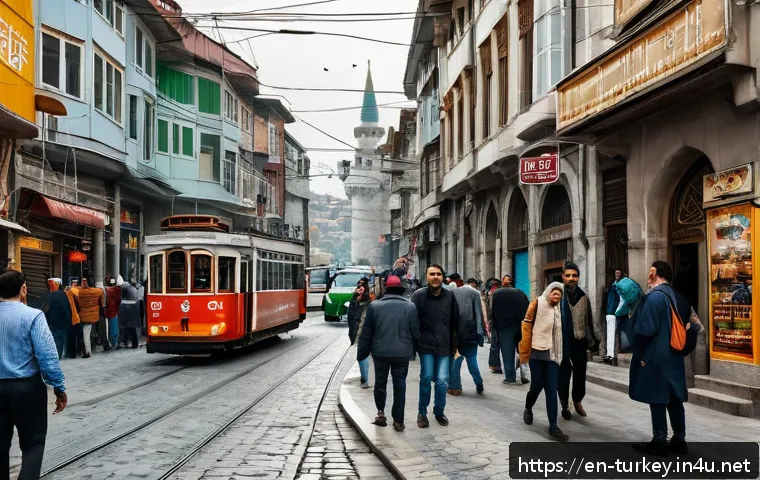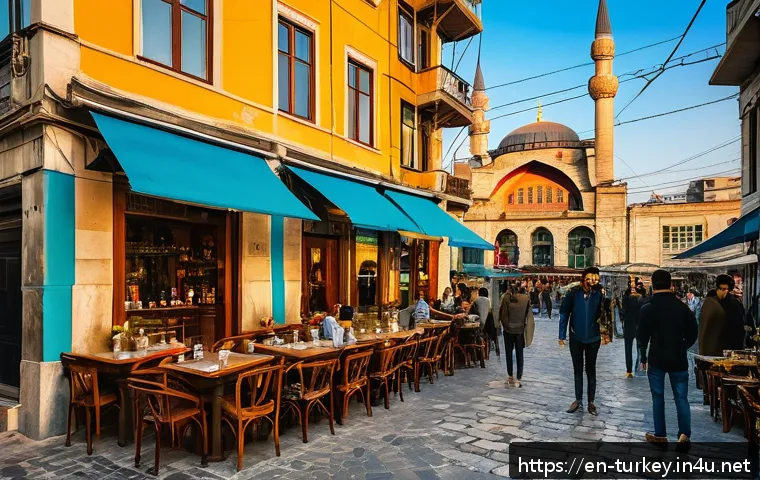
Stepping into Turkey for the first time, I felt an immediate warmth, a beautiful embrace of hospitality that’s truly unique. Yet, beneath that inviting surface lies a rich tapestry of customs and unwritten rules – things you just *don’t* do, say, or even imply.
I learned quickly that what might be commonplace back home could inadvertently cause offense here, and trust me, those moments can be acutely embarrassing!
It’s not about being overly strict, but rather a profound respect for tradition and community that permeates every interaction. In today’s interconnected world, where information flows freely and global trends intersect with ancient traditions, these cultural sensitivities are even more fascinating to explore.
I’ve observed firsthand how discussions around what’s considered ‘appropriate’ or ‘forbidden’ are subtly shifting, especially among the younger generation, often fueled by online dialogues and a growing exposure to diverse viewpoints.
But don’t mistake this for a wholesale abandonment; rather, it’s an evolving landscape where deep-seated values continue to shape daily life, even as modern influences gently nudge the boundaries.
Understanding these nuances isn’t just about avoiding a faux pas; it’s about connecting on a deeper, more meaningful level. Let’s unravel the intricacies right here.
The Profound Power of Turkish Hospitality
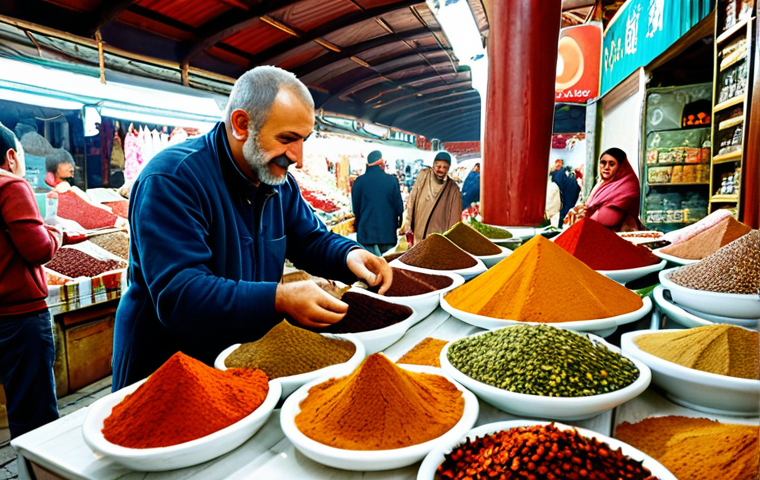
My very first encounter with Turkish hospitality left an indelible mark on my soul, a warmth that enveloped me like a soft, familiar blanket. It’s not just an act of kindness; it’s a deeply ingrained philosophy, a way of life that permeates every layer of society, from the bustling grand bazaar to the quietest village home.
I quickly learned that refusing a genuine offer of tea or food, even if you’re full to bursting, can be perceived as an outright rejection of their generosity and, by extension, their friendship.
This isn’t about politeness as we often understand it in the West; it’s a sacred bond, an ancient tradition that dictates hosts go above and beyond, seeing their guests as gifts from God.
This deep-seated cultural value means that when you’re invited into someone’s home, you’re not just a visitor; you’re temporarily family, afforded immense respect and care.
It’s a truly humbling experience, one that reminds you of the boundless human capacity for warmth and connection, often with people you’ve only just met.
1. Embracing the Invitation: More Than Just a Cuppa
When a Turkish person offers you a cup of *çay* (tea) or invites you for a meal, it’s rarely a mere casual suggestion; it’s an earnest expression of their desire to connect and show you genuine warmth.
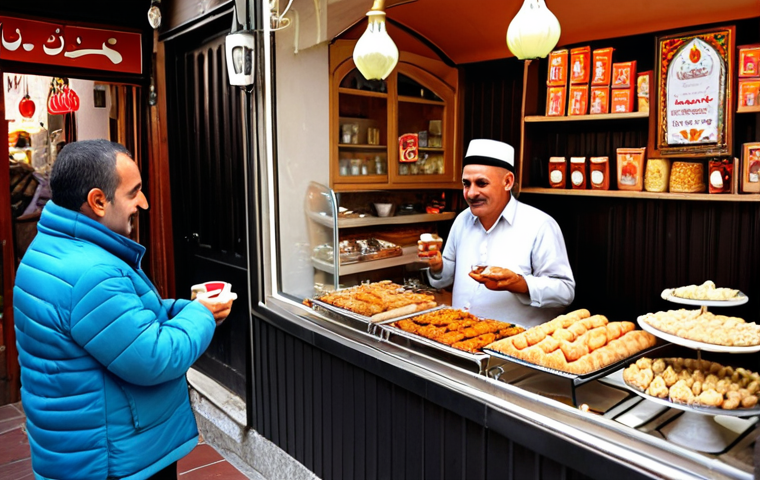
I remember distinctly one scorching afternoon in Istanbul, feeling utterly lost and bewildered by the maze of streets. A shopkeeper, noticing my distress, not only gave me directions but insisted I sit down, sharing a glass of ice-cold water and a small piece of baklava, refusing any payment.
It wasn’t about selling me anything; it was about easing a stranger’s discomfort. To decline such an offer too readily, or to appear disinterested, can inadvertently communicate a lack of appreciation for their open-heartedness.
The best approach I’ve found is to accept gracefully, even if only for a sip, and show genuine gratitude. This simple act of acceptance bridges cultural gaps instantaneously and builds a foundation of trust and mutual respect that money cannot buy.
It’s a silent language of connection that speaks volumes about their character and traditions.
2. Navigating the Dinner Table: From Compliments to Courtesy
Dining in a Turkish home is an experience that transcends mere eating; it’s a joyous celebration of community, generosity, and abundance. I’ve been astounded by the sheer variety and volume of food that appears on the table, often lovingly prepared over hours by the host.
It’s a common misconception that leaving a little food on your plate signifies that you’re full; in Turkey, it’s generally appreciated if you finish what’s given, especially if it’s a specific dish offered by the host, as it signifies you enjoyed their cooking.
However, don’t feel pressured to eat beyond your capacity; politely declining seconds with a hand over your plate and a sincere “Teşekkür ederim, çok lezzetliydi!” (Thank you, it was very delicious!) is perfectly acceptable.
What truly resonates is showing genuine appreciation for the effort, perhaps complimenting the flavors or asking about a particular ingredient. I once saw a fellow traveler casually complain about a dish being “too spicy” to his host, and the immediate shift in the room’s atmosphere was palpable.
Keeping conversation positive and expressing enjoyment of the meal is key to a truly harmonious dining experience.
Mastering the Nuances of Public Decorum
Stepping out into the vibrant streets of Turkey, from the ancient ruins of Ephesus to the bustling modern avenues of Ankara, you quickly become aware of an underlying current of respect and order in public spaces.
This isn’t about rigid rules enforced by law, but rather an unspoken code of conduct that prioritizes communal harmony and consideration for others. My initial instinct, shaped by a more individualistic culture, was often to just “do my own thing,” but I soon learned that even seemingly minor actions, like raising your voice during a phone call or dressing in a certain way, can be seen as disruptive or disrespectful to the collective atmosphere.
It’s about being mindful of your surroundings, understanding that you are part of a larger social fabric, and conducting yourself in a manner that doesn’t draw undue negative attention or infringe upon the comfort of those around you.
This awareness contributes significantly to the generally safe and pleasant public environment that I have come to deeply appreciate.
1. Dressing with Respect: Finding the Right Attire
One of the first things that struck me about public life in Turkey, especially outside of the most heavily touristed areas, was the general modesty in dress, particularly for women.
While major cities like Istanbul are more relaxed, it’s generally a good idea to lean towards conservative attire, especially when visiting religious sites or more traditional neighborhoods.
I’ve seen tourists wander into mosques in shorts and tank tops, and the discomfort it caused was visibly evident among local worshippers. It’s not about judgment, but about showing respect for sacred spaces and local customs.
For women, covering shoulders and knees is usually sufficient, and carrying a scarf to cover your head when entering a mosque is essential. For men, avoiding very short shorts and sleeveless tops in more conservative settings is also advisable.
I always keep a light scarf in my bag – it’s a versatile item that serves multiple purposes, from protecting against the sun to ensuring I’m appropriately covered when entering a holy place.
It’s a small gesture that speaks volumes about your understanding and respect.
2. The Art of Public Interaction: Voice and Demeanor
In Turkish public spaces, a calm and measured demeanor is generally preferred. I’ve noticed that while conversations can be lively, especially in social settings, shouting or speaking very loudly in public is generally frowned upon.
This extends to personal interactions, too. Public displays of affection, such as prolonged kissing or overly intimate embraces, are considered inappropriate and might make locals uncomfortable, even if they don’t explicitly say anything.
My personal experience has taught me that a respectful distance, a soft tone of voice, and a polite, measured approach to interactions are always appreciated.
For example, when bargaining in a market, maintaining a friendly tone, even while negotiating prices, is crucial; becoming aggressive or overly demanding can quickly sour the interaction.
It’s about maintaining a sense of dignity and respect in all your public dealings, acknowledging that your actions reflect not just on yourself, but on how you perceive the culture you are visiting.
Decoding Non-Verbal Cues and Gestures
Having spent considerable time observing interactions in Turkey, I’ve come to realize just how much is communicated without a single word being uttered.
Gestures, body language, and even subtle facial expressions carry immense weight and can convey approval, disapproval, or confusion far more powerfully than spoken language.
What might be an innocent habit in your home country could inadvertently send an entirely different, perhaps even offensive, message here. It’s like learning a whole new vocabulary, but one that is seen rather than heard.
This non-verbal lexicon is deeply ingrained, often passed down through generations, and mastering even a few key signals can dramatically improve your interactions, avoiding awkward moments and fostering a deeper connection with the locals.
I’ve had moments where a simple hand gesture, learned from a friendly Turk, instantly diffused a misunderstanding and brought a genuine smile to someone’s face.
1. The Subtle Language of Head Movements
One of the most surprising and, initially, confusing non-verbal cues I encountered in Turkey was the head gesture for “no.” Instead of a side-to-side shake, a common way to indicate “no” is a quick upward jerk of the head, often accompanied by a slight clicking sound with the tongue.
I vividly remember nodding my head to acknowledge something, only to have a shopkeeper look utterly perplexed because my “yes” gesture was being interpreted as a “no.” It was an amusing but enlightening moment.
Conversely, a slight downward nod usually means “yes.” It’s a small detail, but getting these basic acknowledgments right can smooth over many daily interactions, especially when language barriers are present.
I practiced in front of a mirror to ensure I wasn’t accidentally negating a positive interaction or affirming something I meant to decline.
2. Hand Gestures: Avoiding Misinterpretations
Hands are incredibly expressive tools in Turkish communication, and some gestures carry significant cultural weight. Pointing with your index finger at a person is generally considered rude; instead, use an open hand to gesture towards someone.
The “OK” sign, made by forming a circle with your thumb and index finger, which is common in many Western countries, can be interpreted as rude or even offensive in Turkey, sometimes associated with homosexuality or an insult.
I always recommend avoiding it entirely. Similarly, beckoning someone by curling your index finger upwards is only used for animals; to call a person, you should turn your palm down and make a scooping motion with all your fingers towards yourself.
I’ve learned to keep my hands relatively still or use very open, broad gestures, which are almost universally understood as friendly and non-threatening.
When in doubt, observing locals and mimicking their gestures is the safest and most respectful approach.
The Intricate Dance of Turkish Dining Etiquette
Beyond the incredible flavors that burst forth from every Turkish dish, the act of dining itself is woven into a rich tapestry of customs and social graces.
It’s not merely about fueling your body; it’s a social ritual, a shared experience that reinforces bonds and celebrates life. I quickly realized that understanding the unspoken rules of the Turkish dining table was just as important as appreciating the food itself.
From how you eat your bread to when you clink glasses, every detail contributes to a harmonious meal. There’s an underlying philosophy of sharing and communal enjoyment, which often means that dishes are brought out to be passed around, fostering a sense of togetherness that I find incredibly charming and welcoming.
It’s a beautiful reflection of the Turkish emphasis on family and community, even among strangers gathered for a meal.
1. Communal Sharing and Bread Etiquette
In many Turkish dining settings, especially in traditional restaurants or homes, dishes are meant to be shared. It’s common for a variety of small plates, or *mezes*, to be placed in the center of the table for everyone to partake.
I found myself instinctively reaching for my own plate to serve myself, but then noticed how gracefully locals dipped their bread directly into shared dishes.
Bread, often fresh and warm, is considered sacred and is never wasted; you’ll find it accompanying every meal. I learned that tearing off pieces of bread rather than cutting it with a knife is the traditional way, symbolizing a humble approach to this staple.
Never place bread upside down on the table, as it’s considered disrespectful, given its importance. This communal aspect of dining truly makes a meal feel like a shared journey, an experience that transcends individual portions and fosters connection.
2. Table Manners and the Tea Ritual
Observing locals, I picked up on several subtle table manners that enhance the dining experience. For instance, waiting for the host or the eldest person to begin eating before you start is a sign of respect.
Using your right hand for eating, especially if you’re sharing from communal dishes, is also customary, as the left hand is traditionally considered less clean.
As the meal winds down, the omnipresent *çay* (tea) often makes its appearance. This isn’t just a beverage; it’s an integral part of Turkish hospitality and social interaction.
When offered tea, accepting it, even a small glass, is a polite gesture. You’ll notice many people holding the small, tulip-shaped glass by the rim, not the body, as the tea is often served very hot.
The act of sipping tea together is a moment of calm reflection and continuation of conversation, and rushing through it can be seen as missing the point of the communal experience.
| Cultural Aspect | Common Western Practice | Turkish Norm / Expectation |
|---|---|---|
| Expressing Disagreement | Shaking head side-to-side | Quick upward head jerk, sometimes with tongue click |
| Calling Someone Over | Curling index finger upwards | Palm down, fingers scooping towards self |
| Showing “OK” | Thumb & index finger circle | Can be considered rude or offensive |
| Meal Compliments | “It’s good” or general praise | Specific compliments on flavor, preparation; asking for recipe |
| Refusing Offers (Food/Tea) | Direct “no, thank you” | Politely accept a small amount, then decline further with gratitude. Overly direct refusal can offend. |
| Public Affection | Open displays of kissing, hugging | Generally discreet and minimal, especially in conservative areas |
Engaging with Faith and Respecting Sacred Spaces
Turkey is a country where faith is a deeply woven thread in the fabric of daily life, predominantly Islam, but also with historical Christian and Jewish communities.
I’ve found that understanding and respecting the religious customs, even if they differ from your own, is paramount to a positive and meaningful experience.
It’s not about converting or adopting beliefs, but about acknowledging the profound personal and communal significance of these practices for Turks. The call to prayer, the solemnity of mosques, and the observance of religious holidays are not just background noise; they are pulsating rhythms of life that command reverence.
I’ve seen how a genuine show of respect, even in the smallest gestures, can open doors to incredible cultural exchanges and warm interactions with locals who appreciate your effort to understand their world.
It’s a powerful lesson in empathy and cross-cultural understanding.
1. Visiting Mosques with Reverence
Mosques in Turkey are not merely tourist attractions; they are active places of worship, central to the community’s spiritual life. My first visit to the Sultan Ahmed Mosque (Blue Mosque) was breathtaking, but it was also a learning experience in showing appropriate respect.
Before entering, it’s crucial to remove your shoes; designated shelves or areas are usually provided. For women, covering your head, shoulders, and knees is an absolute must, and men should ensure their shoulders and knees are covered as well.
Many mosques offer scarves and wraps for visitors who are not appropriately dressed. Once inside, maintaining a quiet, respectful demeanor is essential; avoid loud conversations, flash photography during prayer times, or walking directly in front of people who are praying.
I’ve observed that taking a moment to simply sit and absorb the peaceful atmosphere, perhaps reflecting on the architectural beauty and spiritual resonance, enriches the experience far more than simply rushing through to take photos.
2. Awareness During Prayer Times and Holy Days
Five times a day, the *ezan* (call to prayer) echoes across Turkish cities, a beautiful and haunting sound that signals a moment for reflection and prayer.
During these times, particularly the midday and afternoon prayers, you’ll notice many shops might temporarily close, and people will head towards mosques or find a quiet spot to pray.
It’s a good practice to be mindful of these moments; for example, if you’re in a restaurant, try not to interrupt those who are praying, and perhaps keep your voice down.
During major Islamic holy days, such as Eid al-Fitr (Şeker Bayramı, Sugar Feast) or Eid al-Adha (Kurban Bayramı, Sacrifice Feast), many businesses might be closed, and public transportation schedules can change.
Planning ahead and being understanding of potential disruptions or changes in routine demonstrates respect for these deeply important cultural and religious observances.
I once planned a busy day of sightseeing during a Bayram, unaware, and quickly realized that the city moved at a different, more reflective pace, prompting me to adjust my plans and simply embrace the quiet beauty of the holiday.
Navigating the Lively Labyrinth of Turkish Markets
The Turkish market, or *çarşı*, is more than just a place to buy goods; it’s a vibrant, sensory overload, a pulsating heart of commerce and social interaction that has thrived for centuries.
My first dive into the Grand Bazaar was a dizzying, exhilarating experience – a kaleidoscope of colors, sounds, and enticing aromas. While the energy is infectious, there’s an unspoken dance of interaction that takes place, particularly around bargaining.
It’s not just about getting a good price; it’s a social ritual, a performance where wit, charm, and a good-natured spirit are key. I quickly learned that approaching these interactions with patience and a smile, rather than an aggressive or demanding attitude, could transform a transactional moment into a memorable cultural exchange, often ending with a shared glass of tea and a deeper appreciation for the artistry of negotiation.
1. The Artful Dance of Bargaining
Bargaining is an expected and often enjoyed part of shopping in many Turkish markets, especially for items like carpets, jewelry, leather goods, and souvenirs.
However, it’s an art, not a battle. I’ve seen tourists aggressively demand lower prices, only to be met with cold stares. The key is to be polite, friendly, and even a little playful.
Start by expressing genuine interest in an item, then casually inquire about the price. When they offer a price, you can gently counter-offer, perhaps around 60-70% of their initial asking price, and then let the back-and-forth begin.
I’ve found that a bit of humor, a genuine smile, and the willingness to walk away if the price isn’t right can often lead to a fair deal. Remember, the goal isn’t to get the item for free, but to arrive at a price that feels mutually agreeable, where both parties feel they’ve won a little.
It’s about the journey of negotiation itself, not just the destination.
2. The Role of Small Talk and Tea in Transactions
In Turkish markets, especially with smaller vendors or artisan shops, a transaction often begins with an invitation for tea and some friendly small talk.
This isn’t just a sales tactic; it’s a genuine expression of hospitality and a way to build rapport. I remember sitting down with a rug seller for nearly an hour, discussing everything from family to football, before we even touched on the price of the exquisite kilim I was admiring.
This personal connection often precedes any talk of money and is integral to the shopping experience. Rushing straight to the point of purchase without engaging in this social prelude can be seen as abrupt or even disrespectful.
Taking the time to share a tea, listen to a story, or offer a compliment about their shop establishes a human connection that goes beyond commerce. It’s during these moments that I’ve felt the most authentically connected to the Turkish spirit, understanding that every item has a story and every sale is a relationship.
The Thoughtful Exchange: Gift Giving and Receiving
Gift-giving in Turkey, much like its hospitality, is steeped in tradition and symbolism, often reflecting a deep sense of respect and care for the recipient.
It’s not just about the material value of an item, but the thoughtfulness behind it, the sentiment it conveys, and the proper etiquette around its exchange.
My experiences have taught me that a well-chosen gift, given with sincerity, can strengthen bonds and express appreciation in ways words alone cannot.
Conversely, a thoughtless or improperly presented gift, or one that is too lavish or too paltry, can inadvertently cause discomfort or send the wrong message.
It’s a delicate dance of observation and cultural sensitivity, ensuring that your gesture is received with the warmth and understanding with which it was intended.
1. Appropriate Occasions and Gift Selection
While gifts aren’t necessarily expected for every social interaction, they are highly appreciated on certain occasions, such as visiting someone’s home for the first time, celebrating a special event like a wedding or engagement, or when visiting during religious holidays like Bayram.
When invited to someone’s home, small tokens of appreciation are always welcome. I’ve found that Turkish delight, good quality chocolates, flowers (especially roses or carnations, but avoid lilies or chrysanthemums as they are associated with funerals), or a small item from your home country make excellent gifts.
Avoid bringing alcohol if you are unsure of your host’s religious observance. It’s generally best to keep gifts modest and thoughtful rather than overly extravagant, as an overly expensive gift might make the recipient feel indebted.
The thought truly counts more than the price tag.
2. The Graceful Act of Receiving and Presenting
When presenting a gift, it’s customary to offer it with both hands, or at least your right hand if using one, as a sign of respect. Similarly, when receiving a gift, accept it with both hands or your right hand and express your gratitude immediately.
I’ve noticed that in many cases, gifts are not opened immediately in front of the giver, especially in more formal settings, to avoid any awkwardness if the gift is not to the recipient’s exact taste or if they feel the need to reciprocate on the spot.
However, if the host opens it, be prepared to accept their compliments and appreciation gracefully. A simple, heartfelt “Teşekkür ederim” (thank you) goes a very long way.
The entire process of giving and receiving a gift is a moment of connection, an opportunity to express mutual regard and strengthen the ties that bind people together in Turkish culture.
Closing Thoughts
My journey through the intricacies of Turkish culture has been nothing short of transformative. It’s a land where every interaction, every shared meal, and every quiet moment of observation deepens your understanding of humanity’s boundless capacity for connection.
What I’ve truly come to appreciate is that these aren’t just rules to follow; they are expressions of a profound respect for tradition, community, and the inherent dignity of every individual.
Embracing these nuances has not only enriched my travels but has fundamentally shifted my perspective on what it means to be a gracious guest in someone else’s world.
Useful Information to Know
1. Currency & Payments: The local currency is the Turkish Lira (TL). While major cities and tourist areas often accept credit cards, it’s always wise to carry small denominations of TL for local markets, small shops, and public transportation. ATMs are widely available.
2. Transportation: Turkey has an extensive and affordable public transportation network, especially in cities like Istanbul. The Istanbulkart is indispensable for buses, trams, metros, and ferries, offering convenient tap-and-go travel. For longer distances, intercity buses are very comfortable and reliable.
3. Tipping Etiquette: Tipping is appreciated but not always mandatory. In restaurants, a 10-15% tip is standard if service charge isn’t included. For taxi drivers, rounding up the fare is common. For hotel staff or tour guides, a small cash tip is a nice gesture for good service.
4. Essential Phrases: Learning a few basic Turkish phrases like “Merhaba” (Hello), “Teşekkür ederim” (Thank you), “Lütfen” (Please), “Evet” (Yes), and “Hayır” (No) can go a long way in showing respect and facilitating warmer interactions.
5. Safety & Security: Turkey is generally a very safe country for tourists. However, like any major travel destination, it’s always advisable to be aware of your surroundings, especially in crowded tourist areas, and to keep an eye on your belongings. Trust your instincts and avoid overly aggressive vendors or suspicious situations.
Key Takeaways
To truly immerse yourself in Turkey, approach every interaction with an open heart and a respectful mind. Observe, adapt, and don’t be afraid to make small, genuine efforts to connect through their customs.
Acceptance of hospitality, mindful public decorum, and understanding non-verbal cues will bridge gaps. Most importantly, remember that every interaction is an opportunity for connection, built on mutual respect and genuine appreciation for their rich culture.
Frequently Asked Questions (FAQ) 📖
Q: What’s one of those “unwritten rules” in Turkey that catches visitors off guard the most, and why is it so important to grasp?
A: Oh, this one gets almost everyone, myself included, when I first arrived! It’s the subtle dance around hospitality, particularly with offers of tea or food.
Back home, a polite “no, thank you” often suffices, maybe even seen as being considerate. But in Turkey? Refusing the very first offer of çay (tea) – especially from a shopkeeper, a neighbor, or anyone really – can feel like you’re subtly rejecting their warmth, their connection.
I remember politely declining a second cup from a sweet old lady who insisted on bringing me more, thinking I was being polite, and seeing a flicker of something in her eyes – not anger, but perhaps a touch of confusion, even slight hurt.
I quickly learned that accepting that çay, even if you only sip a little, is a gesture of accepting their friendship, their presence. It’s not just about the drink; it’s about acknowledging their generosity, their ikram, which is deeply ingrained.
You might even find yourself on the receiving end of a Lokma or a piece of baklava from a street vendor just for being curious. Embrace it! It really opens doors.
Q: With global influences and younger generations, how are these traditions really holding up, and what’s the best approach to navigating that evolving landscape?
A: That’s a really insightful question because it’s exactly what I’ve seen playing out on the streets of Istanbul and in conversations across the country.
You’re right, there’s a definite shift, especially with younger Turks who are incredibly connected globally, often through social media. They’re more exposed to diverse viewpoints, and sometimes you’ll notice a more relaxed attitude towards certain customs that might be strictly observed by their elders.
For example, dress codes for women, while still leaning towards modesty, can be noticeably more varied among younger women in modern districts. However, don’t mistake this for a free-for-all.
The core values – family, respect for elders, community solidarity, and that famous Turkish hospitality – those run deep, like ancient roots. What’s evolving is how these values are expressed.
My advice? Observe, always observe. Notice how people interact, how they dress in different settings.
Don’t be afraid to politely ask questions if you’re genuinely curious. I’ve found that most Turks are incredibly understanding and patient if they see you’re making an effort to learn and respect their way of life.
It’s less about a rigid rulebook and more about finding that sweet spot where tradition gracefully meets modernity.
Q: Beyond avoiding faux pas, what’s the secret to truly connecting with Turkish people and building those deeper, more meaningful interactions you mentioned?
A: Ah, this is where the real magic happens! For me, it boils down to genuine curiosity and an open heart, beyond just the surface-level niceties. First, try to learn a few basic Turkish phrases.
Even a simple “Merhaba” (hello), “Teşekkür ederim” (thank you), or “Afiyet olsun” (enjoy your meal) goes an incredibly long way. I’ve seen people’s faces light up when I’ve fumbled through a basic exchange in their language.
It shows you care enough to try, that you’re not just passing through. Second, engage. Don’t just consume.
Visit a local pazar (market), sit in a kahvehane (coffee house) and just soak it all in. Share a meal, or accept that extra çay I talked about earlier!
My most cherished memories aren’t from famous landmarks, but from sharing a laugh with a shopkeeper over a bargaining attempt, or the unexpected warmth of an invitation to share a meal with a family I barely knew.
They see your genuine interest, your willingness to step outside your comfort zone, and that’s when the barriers truly melt away. It’s about being present, humble, and ready to receive as much as you give.
📚 References
Wikipedia Encyclopedia
구글 검색 결과
구글 검색 결과
구글 검색 결과
구글 검색 결과
구글 검색 결과