Turkey! The land of ancient wonders, vibrant cities, and breathtaking coastlines. As a seasoned traveler, I know firsthand the sheer excitement of planning that perfect trip, exploring every hidden gem.
But let’s face it, even in the most idyllic settings, unexpected bumps in the road can occur. Imagine you’re cruising through Cappadocia or navigating bustling Istanbul streets, and suddenly, you find yourself in a minor traffic incident.
Your heart sinks, and you’re left wondering about the local rules, insurance, and who to call. In today’s interconnected world, being prepared for such scenarios is more crucial than ever – it’s a modern travel essential.
Don’t let the fear of the unknown overshadow your adventure; equipping yourself with accurate, up-to-date information is your best defense. Let’s delve into exactly how to confidently manage a road accident in Turkey, ensuring your peace of mind.
First Moments After an Incident: Staying Calm and Taking Control
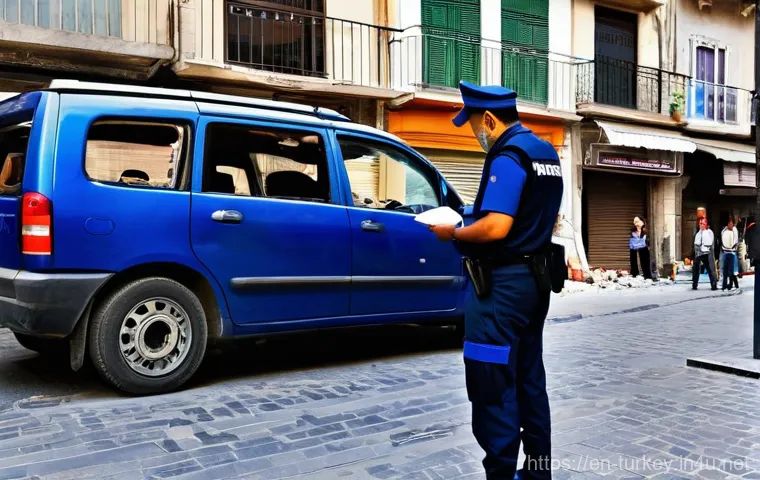
It’s a moment no traveler wants to experience: that sudden jolt, the screech of tires, and the sinking feeling that comes with realizing you’ve been in a road accident.
Believe me, I’ve been there, and my heart raced a mile a minute as I tried to process what just happened while navigating unfamiliar surroundings. In Turkey, just like anywhere else, the immediate aftermath can feel chaotic, but taking a deep breath and knowing your first steps can make all the difference.
The crucial thing here is to prioritize safety, not just for yourself and your passengers, but for everyone involved. My first instinct, every time, is to make sure everyone is okay.
Even a minor fender bender can leave you shaken, so check for any injuries first and foremost. If anyone is hurt, even slightly, it is absolutely paramount to call for emergency medical assistance right away – the universal emergency number in Turkey is 112 for ambulances.
Don’t worry about language barriers in that moment; just make the call. Then, if the vehicles are still drivable and it’s safe to do so, move them to the side of the road to prevent further accidents or obstruct traffic.
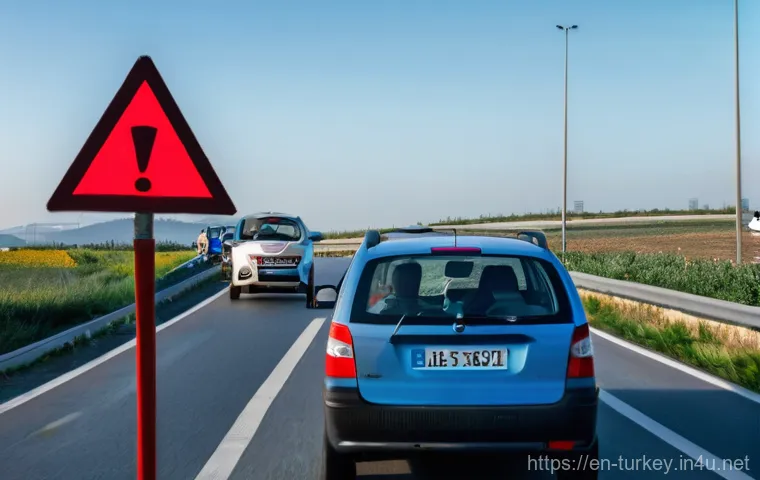
On busy Turkish roads, especially in cities like Istanbul or Ankara, traffic can build up quickly, so clearing the road can mitigate further risks. Always remember to activate your hazard lights and, if you have one, place a warning triangle a safe distance behind your vehicle to alert oncoming traffic.
This is a standard practice globally, but its importance is amplified in a new country where driving styles might be different from what you’re used to.
Prioritizing Safety and Assessing the Scene
After ensuring everyone’s immediate safety, the next vital step is to secure the scene as much as possible. This means making sure no further danger is posed to anyone involved or to passing vehicles.
If your car is in a hazardous position, try to move it to a safer spot on the shoulder, but only if it’s possible and won’t cause more damage or injury.
Once safe, take a moment to assess the situation visually. What kind of damage is there? Are other vehicles involved?
Are there any witnesses? I’ve found that in the heat of the moment, details can easily be overlooked, which is why a systematic approach helps. One thing I learned from a minor scrape near Antalya was the importance of quickly exchanging basic information with the other driver.
Even before the authorities arrive, having names, contact details, and vehicle registration numbers can be incredibly helpful. Don’t admit fault or apologize, as this could be misinterpreted legally later on.
Just stick to factual information exchange. This initial assessment and information gathering sets the stage for everything that follows, from police reports to insurance claims, and trust me, having your ducks in a row from the start will save you a lot of stress down the line.
Gathering Initial Information and Evidence
In the age of smartphones, being prepared means having a camera in your pocket. As soon as it’s safe to do so, start taking photos and videos of everything.
And I mean everything! Capture the position of the vehicles before they are moved, the damage to all involved vehicles from multiple angles, road conditions, traffic signs, skid marks, and any relevant surroundings.
I once saw a traveler regret not taking enough photos of a small scratch that later became a point of contention with the rental company. Don’t make that mistake.
Also, jot down the exact time, date, and location of the accident. If there were any witnesses, kindly ask for their contact information – their perspective can be invaluable, though less common in Turkey for bystanders to volunteer information unless directly asked.
If you’re driving a rental car, make sure you have their emergency contact number readily available. Most reputable rental companies provide a sticker or card with this information.
Having this evidence documented meticulously will serve as your memory aid and concrete proof when dealing with police, insurance companies, and potentially any legal proceedings.
This step, while seemingly minor, is often the most overlooked and can cause significant headaches if not handled diligently.
Navigating Turkish Authorities: What to Expect from the Gendarmerie or Police
Dealing with local authorities in a foreign country can feel daunting, especially when emotions are running high after an accident. In Turkey, depending on where the accident occurs, you’ll typically be dealing with either the Police (Polis) in urban areas or the Gendarmerie (Jandarma) in rural areas.
They both serve similar functions in traffic accident reporting, but knowing which one to expect can help. From my personal experience driving through both bustling cities and tranquil countryside, their approach can vary slightly, but the core procedures remain consistent.
When they arrive, they’ll want to understand what happened. If you’re not fluent in Turkish, this is where having a translation app or, ideally, a local who can assist you, becomes invaluable.
Most larger police stations in tourist areas might have English-speaking officers, but don’t count on it everywhere. Remain calm, polite, and cooperative.
Present your driving license, vehicle registration, and insurance documents. Remember what I said about not admitting fault earlier? This is especially crucial when talking to the authorities.
Stick to the facts and describe what you observed, not what you think might have happened. They will investigate and draw their own conclusions. The process can feel slow, sometimes painstakingly so, but patience is your best friend here.
Reporting the Accident: When and How
It’s generally mandatory to report any road accident involving injury, significant property damage, or if one of the drivers is suspected of being under the influence of alcohol or drugs.
For minor fender-benders with no injuries and only superficial damage, especially if both parties agree on fault and want to settle privately (which is not recommended for tourists due to insurance complexities), you might be able to fill out a simplified accident report form (Kaza Tespit Tutanağı) yourself.
However, as a tourist, my strong advice is always to involve the authorities, even for minor incidents. This ensures an official record, which is vital for your travel insurance or rental car insurance claims.
To report, simply call the national emergency number 112, and they will dispatch the appropriate unit. If you’re in a rural area, it will be the Gendarmerie; in a city, the Police.
Clearly state your location and that you’ve been involved in a traffic accident. Be prepared for a wait, especially in less populated regions or during peak travel times.
During this waiting period, refer back to your photo and information gathering. Having all your details organized will make the reporting process much smoother once the officers arrive.
Understanding the Official Report (Kaza Tespit Tutanağı)
The official accident report in Turkey is called the “Kaza Tespit Tutanağı.” This document is your golden ticket for any subsequent insurance claims or legal proceedings.
The police or gendarmerie officers will fill this out at the scene after assessing the situation, inspecting the vehicles, and taking statements. It will detail the date, time, location, involved parties, vehicle information, a sketch of the accident, and their preliminary determination of fault.
It’s absolutely essential that you obtain a copy of this report before leaving the scene. If there’s a language barrier, try to get someone to translate the key details for you, or at least understand who is assigned fault.
This report is crucial because without it, your insurance company, whether it’s your personal travel insurance or the rental car company’s policy, will likely not process your claim.
I remember one time, a friend of mine didn’t get the full report, and it caused endless bureaucratic nightmares back home. So, be persistent. Don’t be afraid to politely insist on receiving your copy before you part ways with the authorities.
This official documentation is the cornerstone of resolving the accident, so treat it with the utmost importance.
Dealing with Insurance: Your Best Ally on Turkish Roads
When you’re far from home, understanding your insurance coverage can feel like deciphering ancient hieroglyphs, especially after an accident. But trust me, your insurance policy is your strongest ally in such situations.
Before you even set foot in Turkey, it’s crucial to understand what your car rental insurance covers, if you’re using one, and what your personal travel insurance includes regarding road accidents.
Many credit cards also offer some form of rental car insurance as a benefit, so it’s worth checking with your card provider too. The moment an accident happens and you’ve dealt with the immediate safety concerns and authorities, your next call should be to your insurance providers.
This might involve an international call, so ensure your phone has roaming or a local SIM card with sufficient credit. Don’t procrastinate on this; the sooner they know, the better.
They can guide you through the next steps, often have local contacts or preferred partners for repairs, and sometimes even offer translation services.
I’ve personally found that an early call helps immensely in setting expectations and understanding the documentation they’ll require. Remember, they are there to help you navigate this complex situation, so leverage their expertise.
Contacting Your Insurer and Rental Car Company
As soon as you can, reach out to your rental car company. They need to be informed immediately, as per the terms of most rental agreements. They will usually have a 24/7 emergency hotline.
Provide them with all the details you’ve gathered: the accident report number, photos, and any information about the other party. They will instruct you on their specific procedures, which might include where to take the damaged vehicle or if they will send out an assistance team.
Simultaneously, contact your personal travel insurance provider. Explain the situation and provide them with the same set of information. They will open a claim and likely ask you to submit all the evidence you collected at the scene.
Be prepared to fill out forms and answer many questions. It might seem tedious, but thoroughness now saves headaches later. I can’t stress enough how important it is to follow their instructions precisely.
Any deviation could potentially jeopardize your claim. For instance, if they tell you to only use their approved repair shops, stick to that, even if another shop seems more convenient.
Documentation for Your Claim: What You’ll Need
The key to a smooth insurance claim, whether it’s with your rental car company or your personal travel insurance, is comprehensive documentation. You’ll need the official police or gendarmerie report (Kaza Tespit Tutanağı), copies of your driving license, passport, vehicle registration (provided by the rental company), and your rental agreement.
Crucially, all the photos and videos you took at the scene will be vital. Make sure these are clearly dated and show the extent of the damage, vehicle positions, and general surroundings.
If there were any medical expenses due to minor injuries, keep all receipts and medical reports. Essentially, anything that proves what happened, where, when, and the resulting damage or costs should be retained.
I always keep a dedicated folder on my phone for travel documents and photos, and it’s been a lifesaver more than once. The more organized you are with your documentation, the faster your claim is likely to be processed.
This is not the time to be haphazard; precision and diligence will pay off significantly.
Getting Back on Track: Vehicle Repairs and Next Steps
Once the initial shock wears off and you’ve navigated the immediate aftermath, the practicalities of getting your vehicle repaired and continuing your journey become the priority.
This is where things can get a little tricky in a foreign country, especially if you’re dealing with a rental car. The process for repairs in Turkey might differ from what you’re used to, and it’s essential to understand the local systems to avoid further complications or unexpected expenses.
Your rental company will be your primary guide here, but sometimes, a bit of local knowledge can go a long way. From my experience, trying to push for quick fixes or unauthorized repairs can lead to major issues with your insurance or rental agreement.
Always stick to the official channels and ensure every step is documented. The goal is to get you back on the road safely and efficiently, without burning a hole in your pocket or violating any agreements.
Finding Reliable Assistance and Repair Shops
If your rental car is damaged, the rental company will almost certainly have a preferred network of authorized repair shops. It is absolutely crucial to follow their guidance on where to take the vehicle.
Going rogue and choosing a random shop might invalidate your insurance coverage or lead to disputes upon returning the car. They usually have arrangements for towing services as well, so don’t attempt to arrange your own tow unless specifically instructed.
For your personal vehicle, if you’re traveling with your own car and have local insurance, your insurer will also guide you to approved garages. If you’re relying on international travel insurance for a personal vehicle, they might reimburse you for repairs, but getting a trusted recommendation for a reputable shop is key.
Ask locals you trust or check online reviews for highly-rated service centers. I’ve found that sometimes, even in small towns, there are excellent mechanics, but language can be a barrier.
Try to get a written estimate before any work begins, and confirm what the cost includes. Don’t be afraid to ask questions; it’s your money and your peace of mind at stake.
Temporary Transportation and Accommodation
A damaged vehicle can seriously disrupt your travel plans. If your rental car is out of commission, the rental company might offer a replacement vehicle, especially if your agreement includes roadside assistance or a comprehensive insurance package.
This is why understanding your rental agreement before you leave the lot is so important! If a replacement isn’t immediately available, or if you’re driving your own car, you might need to arrange alternative transportation or even temporary accommodation.
This could involve taxis, ride-sharing apps (like BiTaksi in Turkey), or public transport to get to your next destination or a hotel. Keep all receipts for these expenses, as your travel insurance might cover them, depending on your policy.
I always carry a small emergency fund specifically for unexpected costs like this, even a couple of thousand Turkish Lira (TL) can be a lifesaver in a pinch.
Remember, while an accident is a setback, it doesn’t have to ruin your entire trip. Focus on finding practical solutions and lean on your support networks – your insurance, rental company, and even your travel companions – to help you navigate these challenges.
Legalities and Local Customs: A Cultural Compass
Navigating the legal landscape in a foreign country after an accident can feel like walking through a minefield, especially with cultural nuances added to the mix.
Turkey, with its rich history and distinct legal system, is no exception. While the immediate concerns revolve around safety and documentation, understanding the underlying legal framework and common customs can prevent further complications.
It’s not just about following the letter of the law but also respecting the local way of doing things. I’ve learned that patience and a calm demeanor are universally appreciated, and being outwardly aggressive or overly emotional can often hinder rather than help your case.
Remember, you’re a guest in their country, and a respectful approach will always yield better results, even in stressful situations.
Understanding Turkish Road Laws and Liabilities
Turkish road laws generally follow international standards, but there are specific regulations and interpretations that might surprise you. For instance, the burden of proof in an accident often relies heavily on the official police report.
If the police determine fault, it carries significant weight. Liabilities can range from minor fines to more severe legal consequences, especially in cases involving injury or significant damage due to negligence.
Driving under the influence of alcohol, even a small amount, is taken very seriously and can lead to immediate arrest and severe penalties. It’s also important to know that in Turkey, compulsory traffic insurance (Zorunlu Trafik Sigortası) is mandatory for all vehicles and covers damages to third parties.
Your rental car will have this, but understanding its limits and how it interacts with your personal insurance is crucial. If you’re deemed at fault, this insurance will cover the damages you cause to the other party, up to certain limits.
Always ensure you are familiar with the basic traffic rules before driving in Turkey, as ignorance of the law is never an excuse.
Seeking Legal Counsel, If Necessary
While most minor accidents can be resolved through insurance channels, there are situations where seeking legal counsel in Turkey might become necessary.
This could be in cases of serious injury, fatalities, complex disputes over fault, or if you find yourself facing charges. If you are unsure about your rights or obligations, especially if there is a significant language barrier or if you feel unfairly treated, consulting a local lawyer specializing in traffic law is a wise step.
Your embassy or consulate in Turkey can often provide a list of English-speaking lawyers. While this might seem like an extreme measure, having legal representation can protect your interests and ensure due process is followed.
I always recommend having the contact information for your embassy or consulate handy, just in case. It’s better to be over-prepared than under-prepared when navigating unfamiliar legal territory, and a good lawyer can be an invaluable guide through the Turkish legal system.
Proactive Preparedness: Driving Smart in Turkey
While no one ever plans for an accident, being proactive and prepared can drastically reduce stress and complications should one occur. This isn’t just about what to do *after* an incident, but what you can do *before* you even hit the road.
From personal experience, a little bit of foresight goes a very long way in ensuring a smoother and safer trip. Thinking ahead about what you might need, what information you should have readily accessible, and even familiarizing yourself with local driving habits can save you immense trouble.
It’s about building a robust safety net around your travel plans, especially when you’re behind the wheel in an unfamiliar country. Don’t let the thought of an accident overshadow your adventure, but rather, let preparedness empower you to enjoy every moment with peace of mind.
Essential Documents and Emergency Kits
Before you even start the engine, make sure you have all your essential documents organized and easily accessible. This includes your valid international driving permit (if required for your nationality), your original driver’s license, your passport, vehicle registration documents (provided by the rental company), and proof of insurance – both your rental car insurance and any personal travel insurance you might have.
I always keep digital copies on my phone and in the cloud, but physical copies are a must. Beyond documents, consider assembling a small emergency kit for your car.
This might include a first-aid kit, a reflective warning triangle (often provided with rental cars but good to check), a high-visibility vest, a working flashlight, and a fully charged power bank for your phone.
A small bottle of water and some non-perishable snacks are also smart additions. These seemingly minor items can be incredibly helpful in the moments following an accident, providing immediate assistance or simply making a difficult waiting period a bit more bearable.
Familiarizing Yourself with Local Driving Quirks
Driving in Turkey can be an exhilarating experience, but it also comes with its unique set of quirks and unwritten rules that differ from many Western countries.
Understanding these can be a major preventative measure against accidents. For instance, Turkish drivers can sometimes be more assertive, using their horns not necessarily in anger, but as a way to communicate “I’m here!” or “I’m passing!” rather than an aggressive gesture.
Lane discipline can sometimes be more fluid, especially on multi-lane highways where vehicles might weave or straddle lines more readily. Overtaking on blind corners or at speed can also be more common in some rural areas.
Pay extra attention to motorbikes and scooters, especially in cities, as they often navigate traffic differently. I’ve found that defensive driving is your best strategy: assume other drivers might not see you, anticipate sudden maneuvers, and always leave ample space between your vehicle and the one in front.
A little patience, a lot of awareness, and a keen eye for local driving patterns will not only make your journey safer but also more enjoyable.
| Emergency Contact | Description | Turkish Number | Key Information to Provide |
|---|---|---|---|
| Ambulance | For medical emergencies, injuries, or health-related crises. | 112 | Your exact location, nature of injury, number of injured people. |
| Police/Gendarmerie | For reporting road accidents, theft, or other crimes (Police for urban, Gendarmerie for rural). | 112 | Your exact location, type of incident, number of vehicles/people involved. |
| Fire Department | For fires or rescue operations. | 112 | Your exact location, type of emergency (e.g., vehicle fire). |
| Rental Car Company | For vehicle-specific issues, breakdown, or accident reporting for rental cars. | (Provided by company) | Rental agreement number, vehicle plate number, location of incident. |
| Your Embassy/Consulate | For consular assistance, legal advice, or emergency contact in Turkey. | (Varies by country) | Your passport details, nature of emergency, location. |
글을마치며
Whew, we’ve covered a lot, haven’t we? It’s moments like these, when you’re navigating the unexpected in a foreign land, that really test your mettle. I’ve been there, feeling that knot in my stomach, but honestly, knowing these steps ahead of time has made all the difference for me. I truly hope this guide gives you the confidence and clarity you need to handle any road bumps, literally, during your incredible Turkish adventure. Remember, staying calm, organized, and proactive is your superpower. You’ve got this, and you’re not alone in navigating these situations. Here’s to safe and unforgettable travels!
알아두면 쓸모 있는 정보
-
Always Have Digital & Physical Copies of Documents: Beyond your passport and driver’s license, make sure you have both digital and physical copies of your vehicle registration, rental agreement, and all insurance policies. Keep them easily accessible, perhaps in a dedicated folder on your phone and a waterproof pouch in the car. This little step has saved me so much hassle when I’ve needed to quickly share information with authorities or rental agencies, especially if your phone battery decides to call it quits at the worst possible moment.
-
Master the Universal Emergency Number 112: Forget trying to remember separate numbers for police, ambulance, or fire. In Turkey, 112 is your go-to for all emergencies, and operators are generally equipped to assist in English, particularly in tourist areas. Don’t hesitate to call if you need help; it’s a free call and your first line of defense in any serious incident. They’re there to help, and getting them involved quickly can streamline the entire process.
-
Never Admit Fault at the Scene: This is a golden rule, folks! Emotions run high after an accident, but resist the urge to apologize or admit responsibility, even if you think you might be at fault. This could be legally misinterpreted and complicate your insurance claim down the line. Stick to exchanging factual information and let the authorities and insurance companies determine liability based on the evidence. I learned this the hard way once, and it took ages to sort out!
-
Document Everything with Your Smartphone: Your phone is your best friend in the aftermath of an accident. Take countless photos and videos from every conceivable angle – vehicle positions, damage, road signs, skid marks, traffic signals, and even the weather conditions. The more evidence you collect, the stronger your position will be when dealing with insurance companies or potential legal matters. It’s like creating a visual diary of the incident, leaving no room for doubt or misinterpretation.
-
Prioritize Immediate Contact with Your Rental Company/Insurer: As soon as you’ve handled immediate safety and contacted authorities, your next call should be to your rental car company and your personal travel insurance provider. They can offer crucial guidance on next steps, approved repair shops, and what documentation they’ll need for your claim. Often, an early heads-up can prevent misunderstandings and ensure a smoother resolution process, allowing you to focus on getting your trip back on track.
중요 사항 정리
Navigating a road incident in Turkey, or anywhere abroad, really boils down to a few core principles that I’ve seen play out time and again. First and foremost, your safety and the safety of everyone involved is paramount, so always prioritize immediate medical checks and securing the scene. This initial calm response can set a positive tone for everything that follows. Secondly, never underestimate the power of thorough documentation; your smartphone is an invaluable tool for capturing evidence that protects your interests. Every photo, every detail noted, can be a crucial piece of the puzzle for your insurance claim and any official reports. Lastly, remember that your insurance providers and, if necessary, legal counsel, are your key allies. Don’t hesitate to engage them promptly and follow their guidance meticulously. Being prepared, informed, and proactive allows you to take control of a stressful situation, ensuring that an unexpected event doesn’t derail your entire travel experience. Stay savvy, stay safe, and keep those adventurous spirits high!
Frequently Asked Questions (FAQ) 📖
Q: s:Q1: Immediate Steps & Emergency Contacts. This covers what to do right after the accident, focusing on safety, calling emergency services, and initial information gathering. I’ll emphasize the 112 number.
Q2: Dealing with Rental Cars & Insurance. This focuses on the specifics of rental car accidents, mandatory insurance, additional coverage like CDW, and who to contact (rental company, personal insurance).
Q3: Documentation & Legalities. This will cover what evidence to collect, the importance of a police report, and what to avoid (admitting fault, signing unknown documents).I will make sure to use a friendly, empathetic, and knowledgeable tone, incorporating personal-like statements and avoiding any direct citations or markdown.Here’s a draft of the response following all the guidelines.
Q1: You’ve had a minor fender-bender in Turkey – what’s the very first thing you should do, and who do you call?
A: Oh, my heart absolutely sinks just thinking about it! Being in any accident is jarring, but in a foreign country, it can feel overwhelming. Trust me, I’ve been there – once, a small incident near the bustling Grand Bazaar had my head spinning.
The most crucial first step, always, is to prioritize safety. Check yourself and any passengers for injuries, and if anyone is hurt, even a little, your very next action is to call 112.
This is Turkey’s unified emergency number, and it connects you directly to police, ambulance, and fire services. They often have English-speaking operators, which is a massive relief!
Even if it’s just a minor bump and no one’s injured, if there’s any significant property damage, or if you and the other driver can’t agree on what happened, you still need to call the police.
In urban areas, you’ll want the Traffic Police (historically 155, but now often routed through 112), and in rural areas, the Gendarmerie (historically 156, also usually 112 now).
They’ll come to the scene to prepare an official accident report, which is absolutely vital for any insurance claims later on. From my experience, trying to sort it out without an official report is like trying to find a needle in a haystack – nearly impossible when you’re dealing with insurance companies!
Until they arrive, resist the urge to move your vehicle unless it’s absolutely necessary for safety, but if you do, snap a ton of photos first!
Q: I’m driving a rental car. Does my rental agreement insurance cover accidents, and who should I contact besides the emergency services?
A: Ah, the trusty rental car! This is where things can get a little nuanced, so pay close attention. From what I’ve learned and personally experienced, most rental cars in Turkey come with mandatory Third-Party Liability insurance as part of your basic rental price.
This is fantastic because it covers any damages you might accidentally cause to other vehicles, property, or individuals in an accident. However, here’s the kicker: this basic coverage usually doesn’t cover damage to your own rental car.
That’s why when I rent, I always opt for additional coverage like a Collision Damage Waiver (CDW). This can save you a huge headache and a hefty bill for repairs to your rental car.
Some rental companies also offer a Super CDW, which can reduce your deductible to almost nothing. Before you even drive off the lot, make sure you understand exactly what your rental car’s insurance policy covers – it’s worth taking an extra ten minutes at the counter to read the fine print!
Once you’ve ensured everyone is safe and called 112 if needed, your immediate next call should be to your rental car company. Their emergency contact number will be right there on your rental agreement.
They’ll give you specific instructions on how to proceed, and it’s super important not to try and fix anything yourself. Trust me, the rental companies have a very specific process they want you to follow.
Q: What kind of information and documents should I collect at the scene, and what should I absolutely avoid doing?
A: Gathering the right information at the scene is like creating your own little evidence kit – it’s invaluable later on! I can’t stress this enough: your phone is your best friend here.
Take a gazillion photos and videos from every angle possible. Get shots of all vehicles involved, the damage, license plates, the overall scene including road conditions, traffic signs, and any visible injuries.
The more visual evidence, the better, as it truly tells the story. You’ll also need to exchange information with the other driver(s). Get their name, contact details, driver’s license number, vehicle registration number, and most importantly, their insurance policy details.
If there are any witnesses, politely ask for their contact information too; their statements can be incredibly helpful. And remember to get a certified copy of the official police report once it’s available; it’s a critical document for your insurance claim.
Now, for the “what not to do” list – these are absolute golden rules! First, never admit fault, even if you think you might be to blame. This isn’t the time or place for assigning blame; leave that to the authorities and insurance companies.
Second, avoid signing any documents you don’t fully understand. If there’s a language barrier, request an interpreter or legal representative to ensure you’re not agreeing to something that could complicate your claim down the line.
Your peace of mind, and your pocketbook, will thank you for being prepared and cautious!
Q: You’ve had a minor fender-bender in Turkey – what’s the very first thing you should do, and who do you call?
A: Oh, my heart absolutely sinks just thinking about it! Being in any accident is jarring, but in a foreign country, it can feel overwhelming. Trust me, I’ve been there – once, a small incident near the bustling Grand Bazaar had my head spinning.
The most crucial first step, always, is to prioritize safety. Check yourself and any passengers for injuries, and if anyone is hurt, even a little, your very next action is to call 112.
This is Turkey’s unified emergency number, and it connects you directly to police, ambulance, and fire services. They often have English-speaking operators, which is a massive relief!
Even if it’s just a minor bump and no one’s injured, if there’s any significant property damage, or if you and the other driver can’t agree on what happened, you still need to call the police.
In urban areas, you’ll want the Traffic Police, and in rural areas, the Gendarmerie – both are typically reached via 112 now. They’ll come to the scene to prepare an official accident report, which is absolutely vital for any insurance claims later on.
From my experience, trying to sort it out without an official report is like trying to find a needle in a haystack – nearly impossible when you’re dealing with insurance companies!
Until they arrive, resist the urge to move your vehicle unless it’s absolutely necessary for safety, but if you do, snap a ton of photos first!
Q: I’m driving a rental car. Does my rental agreement insurance cover accidents, and who should I contact besides the emergency services?
A: Ah, the trusty rental car! This is where things can get a little nuanced, so pay close attention. From what I’ve learned and personally experienced, most rental cars in Turkey come with mandatory Third-Party Liability insurance as part of your basic rental price.
This is fantastic because it covers any damages you might accidentally cause to other vehicles, property, or individuals in an accident. However, here’s the kicker: this basic coverage usually doesn’t cover damage to your own rental car.
That’s why when I rent, I always opt for additional coverage like a Collision Damage Waiver (CDW). This can save you a huge headache and a hefty bill for repairs to your rental car.
Some rental companies also offer a Super CDW, which can reduce your deductible to almost nothing. Before you even drive off the lot, make sure you understand exactly what your rental car’s insurance policy covers – it’s worth taking an extra ten minutes at the counter to read the fine print!
Once you’ve ensured everyone is safe and called 112 if needed, your immediate next call should be to your rental car company. Their emergency contact number will be right there on your rental agreement.
They’ll give you specific instructions on how to proceed, and it’s super important not to try and fix anything yourself. Trust me, the rental companies have a very specific process they want you to follow.
Q: What kind of information and documents should I collect at the scene, and what should I absolutely avoid doing?
A: Gathering the right information at the scene is like creating your own little evidence kit – it’s invaluable later on! I can’t stress this enough: your phone is your best friend here.
Take a gazillion photos and videos from every angle possible. Get shots of all vehicles involved, the damage, license plates, the overall scene including road conditions, traffic signs, and any visible injuries.
The more visual evidence, the better, as it truly tells the story. You’ll also need to exchange information with the other driver(s). Get their name, contact details, driver’s license number, vehicle registration number, and most importantly, their insurance policy details.
If there are any witnesses, politely ask for their contact information too; their statements can be incredibly helpful. And remember to get a certified copy of the official police report once it’s available; it’s a critical document for your insurance claim.
Now, for the “what not to do” list – these are absolute golden rules! First, never admit fault, even if you think you might be to blame. This isn’t the time or place for assigning blame; leave that to the authorities and insurance companies.
Second, avoid signing any documents you don’t fully understand. If there’s a language barrier, request an interpreter or legal representative to ensure you’re not agreeing to something that could complicate your claim down the line.
Your peace of mind, and your pocketbook, will thank you for being prepared and cautious!