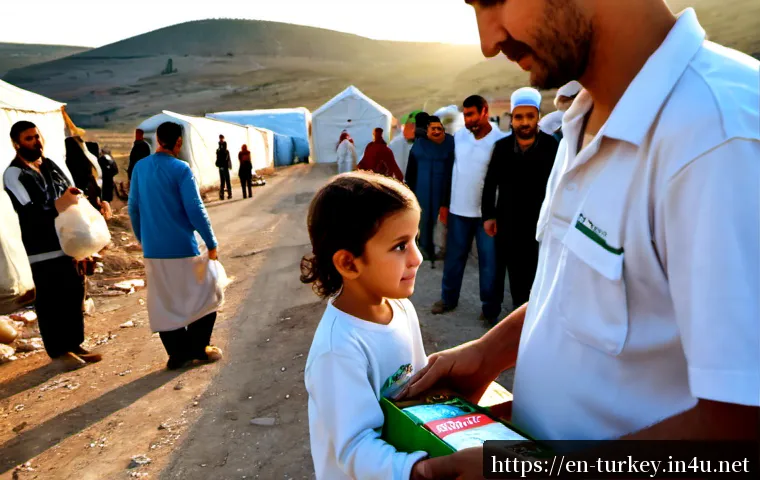
Turkey’s Syrian refugee situation cannot be reduced to one issue: immediate humanitarian needs, long-term integration, and discussions of voluntary return require different responses.
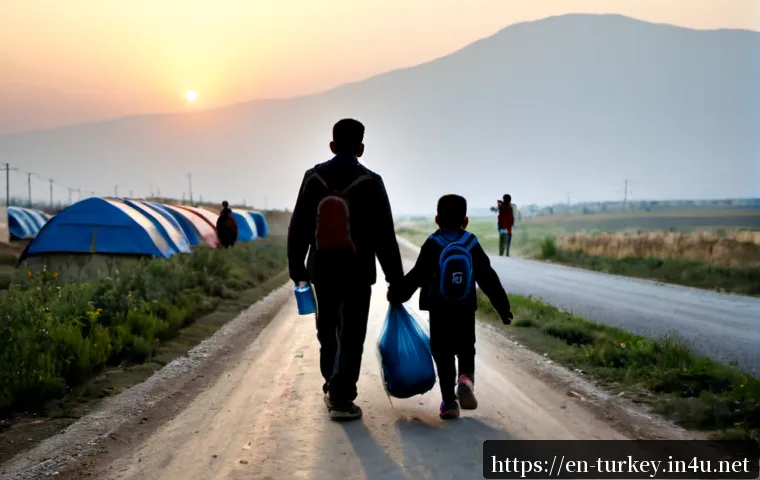
The right form of support depends on a person’s city, documentation status, family situation, and access to local services. For readers comparing humanitarian organizations, legal information services, or community programs, the most useful criteria are transparency, local coverage, eligibility rules, and safeguarding practices.
Housing, employment, education, healthcare, and municipal capacity are closely connected, yet access may vary substantially from one location to another.
This guide explains the main trade-offs without assuming that one policy or service model fits everyone.
At a Glance
- Syrians in Turkey have generally been covered by a temporary protection framework, not standard individual refugee status.
- Access to housing, work, schools, healthcare, and municipal services can differ by location and documentation status.
- Emergency aid, long-term integration, and voluntary return are related issues, but they should not be treated as interchangeable solutions.
| Support Type | Who It May Help | What to Verify | Common Limitation | When Individual Advice May Help |
|---|---|---|---|---|
| Humanitarian aid | People facing immediate needs | Program purpose, transparency, local delivery, safeguarding | May be time-limited or location-specific | When eligibility or documentation affects access |
| Education and youth support | Children, students, and young people | School access, language support, enrollment requirements | Interrupted learning may still create barriers | When a family needs help understanding local options |
| Livelihoods and employment support | Workers and job seekers | Work authorization information, provider practices, skills support | Informal work and labor-market pressure remain concerns | When employment documentation or legal rights are unclear |
| Legal or migration information | People with status or procedure questions | Current credentials, scope of service, privacy practices | Rules and procedures can change | When a decision has legal or protection consequences |
What Is Driving the Refugee Situation in Turkey?
The Syrian conflict, which began in 2011, led to long-term displacement into Turkey. Turkey has hosted a large Syrian refugee population, and many people have lived there long enough for short-term emergency responses alone to be insufficient. The central challenge is not only providing immediate assistance; it is also managing access to everyday systems such as housing, schools, healthcare, work, and local public services.
Conflict Displacement and Long-Term Residence
Displacement can become a long-term condition even when families initially expect a temporary stay. Children grow older, education is interrupted or restarted, workers search for stable income, and households face changing rental costs. This means that humanitarian relief and integration support often need to operate side by side.
Temporary Protection and Why Legal Status Matters
Syrians in Turkey have generally been covered by a temporary protection framework rather than standard individual refugee status. Legal status matters because it can affect how people approach schools, healthcare, work, and official procedures. Readers should avoid relying on old online summaries: registration rules, administrative practices, and eligibility conditions may change and should be checked through current official or qualified sources.
The Immediate Answer: Needs Differ by Family, City, and Documentation Status
There is no single experience of displacement. A family seeking school enrollment may need different information than a worker looking for lawful employment options or an older person trying to access healthcare. Local conditions also matter. Before choosing a community program, relocation assistance service, or legal information provider, clarify who the service covers, where it operates, and what documents it requires.
Comparing the Main Challenges: Housing, Work, Education, and Healthcare
The main challenges overlap. Housing pressure can affect school continuity; unstable work can make rent harder to manage; language barriers can limit both education and access to information. A useful response considers these connections instead of treating each need in isolation.
Housing Affordability and Pressure on Local Services
Rental costs and economic pressure are recurring issues in public debate. In places where housing is difficult to afford, families may face frequent moves or reduced access to nearby services. Municipal services can also experience pressure when demand grows. Any housing or relocation support option should be reviewed carefully for coverage area, eligibility, safety practices, and follow-up support.
Employment, Informal Work, and Skills Recognition
Work is central to household stability and social participation, but labor-market competition and informal employment are persistent concerns. Skills and experience do not always translate easily into available local opportunities. Programs that offer livelihoods support should clearly explain what they provide—such as information, training, referrals, or job-readiness support—and should not imply guaranteed employment.
School Access, Language Barriers, and Youth Transitions
Children and young people may face barriers related to attendance, language, interrupted education, and the transition into work. Education support is not only about enrollment. It may also involve language learning, family communication, academic continuity, and practical guidance for young people moving toward adulthood. Families should ask whether a program is designed for the learner’s age group and local school context.
A Comparison of Needs, Support, and Verification Points
| Need Area | Potential Support | Key Question | Verification Point |
|---|---|---|---|
| Housing | Information, referrals, local community assistance | Does it apply in this municipality? | Eligibility and safeguarding procedures |
| Work | Livelihoods, training, employment information | What does the provider actually offer? | Current legal and documentation guidance |
| Education | Enrollment guidance, language or youth programs | Is it suitable for the child’s current stage? | Local access and any required documentation |
| Healthcare and services | Information and service navigation | Which services are locally available? | Current procedures and privacy protections |
Policy Options and Their Trade-Offs
Policy debates often present simple choices, but the practical trade-offs are substantial. A responsible discussion considers public-service capacity, housing affordability, employment conditions, school access, and community cohesion together.
Local Integration and Municipal Service Capacity
Local integration focuses on participation in everyday life through education, healthcare, work, housing, and community connections. Its benefit is that it addresses needs where people currently live. Its limitation is that municipalities may face uneven capacity and local demand. Support for both displaced people and host communities can help reduce the sense that one group’s needs are being addressed at another group’s expense.
Voluntary Return, Safety Assessments, and Reintegration Conditions
Return to Syria is politically and humanitarianly sensitive. Safety, housing, services, and legal protections may differ significantly by area. Broad claims about safety cannot replace an individualized assessment. A return described as voluntary should still be considered in light of informed choice, practical living conditions, and access to reliable information.
International Burden-Sharing and Humanitarian Funding
International organizations and local civil-society groups provide humanitarian, legal, education, and livelihoods support. Their work can complement public services, but funding and program availability may vary. Donors and partner organizations should look beyond broad campaign language and review how assistance is delivered, monitored, and explained to affected communities.
How to Evaluate Aid, Legal Advice, and Community Support Safely
Choosing a provider is not simply a matter of finding the most visible name. A reliable evaluation starts with what the organization does, whom it serves, and how it protects people’s information and dignity.
Checks for Transparency, Safeguarding, and Local Eligibility
Look for a clear explanation of the program’s purpose, target group, local coverage, and complaint process. Stronger indicators include understandable eligibility information, a visible safeguarding approach, and realistic descriptions of limits. For donation decisions, examine whether the appeal explains how funds support the stated activity rather than relying only on emotional images or urgent language.
When Regulated Legal or Migration Advice May Be Appropriate

General information can be useful, but it may not be enough when someone faces a status question, a documentation problem, or a decision with serious legal consequences. In those cases, check whether the adviser’s credentials, service scope, privacy policy, and local authorization can be independently verified. Do not assume that a social-media account or a paid consultation automatically provides qualified legal advice.
Mistakes to Avoid When Donating, Seeking Help, or Sharing Information
Common mistakes include relying on outdated rules, forwarding unverified donation appeals, sharing personal documents too freely, or treating general safety claims as individual guidance. Avoid providers that promise outcomes they cannot control. It is also wise to ask how personal data will be stored, who can access it, and whether the program explains its referral process.
Different Needs for Families, Workers, Students, and Host Communities
Support works better when it reflects the realities of different groups. A single information page may help someone begin, but the next steps should match the person’s practical situation.
Families With Children and School Enrollment Concerns
Families may need clear information about local school access, language barriers, and the effect of interrupted education. Community programs can be useful when they offer understandable guidance and help families communicate with relevant local services. Ask whether support includes follow-up, not only a one-time referral.
Workers Navigating Documentation and Employment Risks
Workers may need current information on documentation, lawful work pathways, and employment risks. Livelihoods services should be assessed for accuracy and boundaries: training, referrals, and job-readiness support are different from a promise of a job. Clear explanations protect workers from misunderstandings and reduce the risk of exploitative claims.
Local Residents and Organizations Managing Community Cohesion
Host communities may experience concern about rent, service capacity, and competition in the labor market. Community organizations can support dialogue and practical problem-solving when they include local residents as well as displaced people. Programs should avoid framing one group’s security or opportunity as dependent on another group’s exclusion.
Choosing Support and Service Options: A Decision Summary
Before donating, requesting help, or using a paid advisory service, compare purpose, local coverage, eligibility, transparency, safeguarding, and follow-up support. Ask whether the provider explains its limits in plain language, protects personal information, and gives current rather than recycled guidance. For legal or migration-related questions, verify credentials and whether the service is appropriate for the specific issue. Compare eligibility, transparency, local coverage, and safeguarding policies before making a decision. Official guidance and detailed conditions should be reviewed on the relevant provider’s page.
Questions to Ask Before Donating or Using a Paid Advisory Service
What service is actually being offered? Who is eligible? Which city or municipality does it cover? How are complaints handled? What safeguards protect children and vulnerable adults? Does the provider explain fees, limitations, and privacy practices clearly?
When General Information Is Not Enough
Individualized guidance may be needed when documentation, legal status, housing safety, family separation, or a return decision is involved. General articles can identify questions to ask, but they cannot determine a person’s eligibility, safety, or legal position.
Closing Thoughts
Turkey’s Syrian refugee situation combines urgent needs with long-term social and policy questions. Housing, work, education, healthcare, and public-service capacity all shape the experience of displacement. Responsible support begins with accurate information and realistic expectations. It also requires recognizing that return, local inclusion, and humanitarian assistance address different circumstances.
Useful Information to Keep in Mind
1. Check the date of any rule, eligibility statement, or service announcement.
2. Confirm whether a program operates in the relevant locality.
3. Treat personal documents and contact details as sensitive information.
4. Review safeguarding and complaint procedures before donating or enrolling.
5. Be cautious of any service that guarantees legal, employment, housing, or return outcomes.
Important Notes
Population totals, registration procedures, border practices, return figures, and provider eligibility can change. This overview does not determine individual legal status, safety, or access to services. Safety in Syria should not be assumed from nationality or broad political statements, and the quality or credentials of any organization or adviser should be independently checked.
Frequently Asked Questions
Q1. What legal protection do Syrian refugees have in Turkey?
A1. Syrians in Turkey have generally been covered by a temporary protection framework rather than standard individual refugee status. Because current procedures can change, individuals should confirm applicable rules through current official information or appropriately qualified guidance.
Q2. Is it safe to donate to organizations supporting Syrian refugees in Turkey?
A2. A donation should be assessed rather than assumed to be safe. Review the organization’s purpose, local coverage, transparency, safeguarding approach, and explanation of how support is delivered. Avoid unverified appeals and claims that promise outcomes without evidence.
Q3. What should families compare when choosing education, legal, or community-support services?
A3. Compare eligibility, location, documentation requirements, privacy practices, safeguarding policies, language accessibility, and follow-up support. For legal or migration matters, also verify the adviser’s current credentials and whether the service matches the family’s specific question.