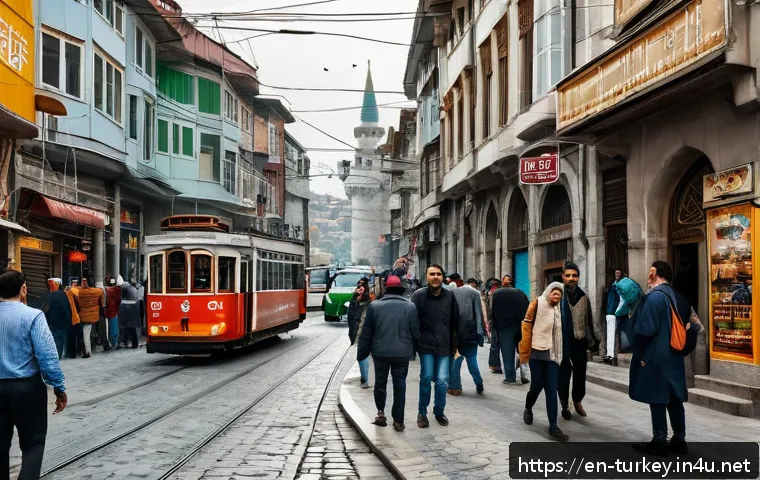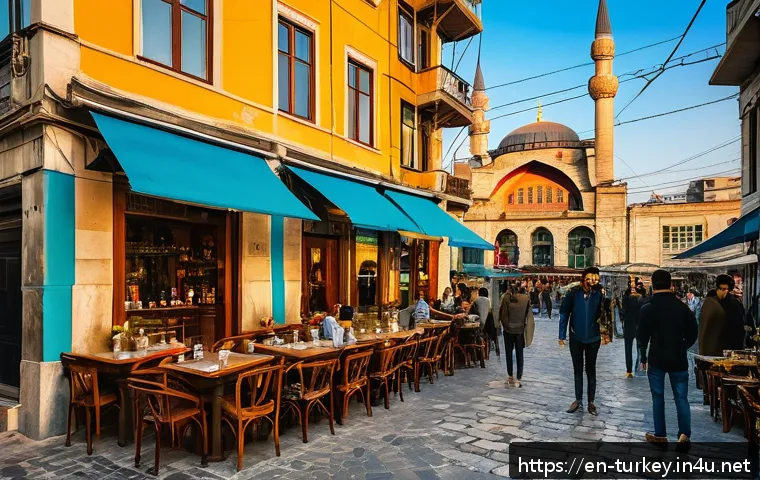
Oh, Turkey! It’s a place that absolutely captures your heart, isn’t it? From the bustling Grand Bazaar to the serene mosques echoing the call to prayer, every corner holds a story.
But let me tell you, truly understanding this incredible country goes way beyond just sightseeing. When I first started traveling there, I quickly realized how deeply rooted religious customs are in daily life, shaping everything from greetings to meal times, and even the pace of a conversation.
It’s not just about what you see, but what you *feel* and *understand* about the people and their traditions. I’ve personally found that embracing these cultural nuances isn’t just respectful; it enriches your entire experience, turning a simple trip into an unforgettable journey of connection.
You’ll discover that Turkish hospitality often has a beautiful, almost sacred quality to it, stemming from these very traditions. Knowing a little about their customs before you go can transform your interactions, open doors you never knew existed, and lead to some truly heartwarming moments with locals.
It’s an evolving landscape, too, with urban areas often blending tradition with contemporary life in fascinating ways. This isn’t just ancient history; it’s living, breathing culture that’s continually adapting.
Trust me, you don’t want to miss out on appreciating this vital aspect of Turkey. Have you ever wondered what makes Turkish culture so incredibly rich and welcoming?
Much of it, I’ve discovered, ties directly into their deeply cherished religious customs. It’s more than just a set of rules; it’s a way of life that influences everything from the warmth of their greetings to the peaceful rhythm of their day.
For visitors, understanding these practices isn’t just about being polite; it’s about unlocking a deeper, more authentic connection with the people and their vibrant heritage.
It truly changes your perception when you see the world through their eyes, even for a moment. Let’s peel back the layers and truly understand the heart of Turkish religious traditions together.
Unlocking the Heart of Turkish Hospitality: A Sacred Embrace
The Philosophy of Welcoming Guests
When Invitations Turn into Family
My first experience with Turkish hospitality genuinely blew me away. It wasn’t just about politeness or good manners; it felt almost spiritual, rooted in a deep-seated respect that I quickly learned was tied to their faith.
People would go out of their way, invite me for tea when I was just casually browsing in a shop, share their food without a second thought, and genuinely want to connect on a human level.
I vividly remember one time getting a bit lost in a charming, smaller town. Before I could even pull out my map, a local family had not only given me spot-on directions but insisted I join them for dinner.
We shared stories, laughter, and an incredible home-cooked meal, all while speaking very little of a common language. That evening taught me that their generosity isn’t just a cultural norm; it’s deeply tied to their religious beliefs about treating guests as blessings sent from a higher power.
This incredible spirit of welcoming strangers is something you’ll encounter everywhere, from the bustling streets of Istanbul to the quiet, ancient villages in Cappadocia, and it truly makes you feel cherished, almost like an extended family member.
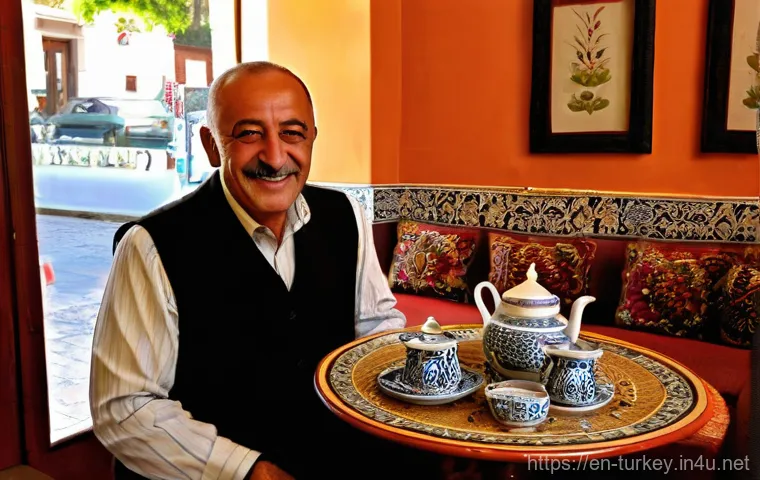
Don’t be surprised if shopkeepers offer you complimentary chai, or if someone strikes up a friendly, engaging conversation on a public dolmuş ride. It’s their inherent way of making you feel at home, and I honestly think it’s one of the most beautiful and heartwarming aspects of traveling through Turkey.
It’s not about obligation, but a genuine, heartfelt desire to connect and share, which makes every interaction feel incredibly authentic. This warmth fosters an incredible sense of belonging, and it’s moments like these that truly transform a trip into an unforgettable journey.
You’ll find that a simple “Merhaba” can open up a world of genuine human connection that transcends any language barrier.
The Ethereal Soundscape: Navigating the Call to Prayer
Understanding the Adhan’s Significance
Daily Rhythms and Respectful Engagement
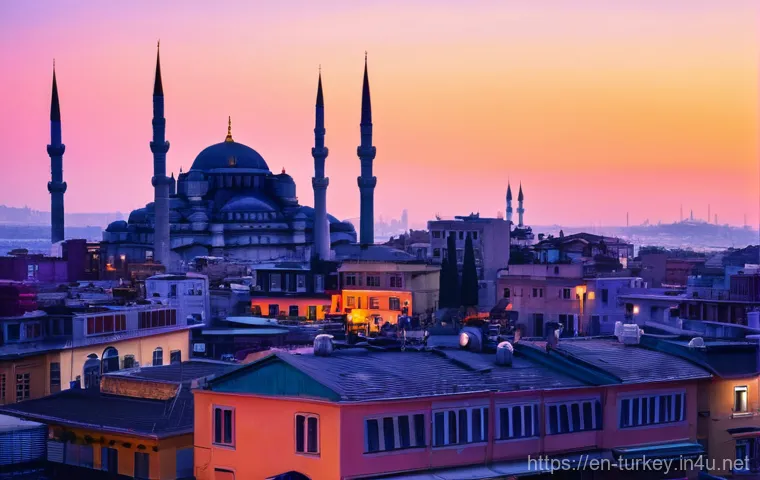
When you’re immersing yourself in the vibrant tapestry of Turkey, you absolutely cannot miss the melodic, hauntingly beautiful sound of the Adhan, which is the Islamic call to prayer.
It echoes from towering minarets five times a day, and my first morning waking up to it in Istanbul was an incredibly powerful, almost transcendent experience.
It’s a constant, rhythmic reminder of faith that permeates daily life, a spiritual heartbeat for the cities and towns. The first call comes before the sun even thinks about rising, setting a peaceful tone for the day, and then it continues at roughly noon, in the afternoon, at sunset, and finally at night.
It’s a truly beautiful, age-old tradition, and while not everyone rushes to the mosque immediately, many will pause, reflect, or prepare for prayer. As a visitor, you certainly don’t need to do anything specific, but simply being aware of its presence and significance can really help you understand the local pace and rhythm of life.
You might notice some smaller shops close briefly, or people taking a moment of quiet reflection right where they are. It’s a moment of spiritual pause for millions, and I’ve found that simply acknowledging it, perhaps by lowering your voice or finding a quiet moment of contemplation yourself, shows a deep level of respect and cultural sensitivity.
It’s not just a sound; it’s a living, breathing part of the city’s pulse, and honestly, it’s one of my favorite auditory memories from my travels there.
It really brings home the deep spiritual roots and the way faith is woven into the everyday existence of the country.
Dressing with Respect: Navigating Local Customs with Confidence
Mosque Etiquette and Attire
Everyday Choices for Women and Men
Figuring out what to wear when traveling to a new country can always be a bit tricky, and Turkey is certainly no exception, especially given its strong religious and cultural undercurrents.
My personal rule of thumb has always been to err on the side of modesty, not just out of respect, but because I’ve genuinely found it makes interactions so much smoother and more pleasant.
For visiting magnificent mosques, it’s an absolute must: women should plan to cover their heads, shoulders, and knees, and men should ensure they’re wearing long pants.
Don’t fret if you forget a headscarf; most major mosques are incredibly accommodating and will often offer headscarves and even skirts for rent or free use right at the entrance, which is super helpful!
Outside of sacred religious sites, while you’ll definitely see all sorts of fashion, particularly in vibrant, cosmopolitan cities like Izmir or Antalya, I personally tend to stick to clothes that cover my shoulders and knees.
This isn’t about adhering to strict rules as a tourist; it’s about feeling comfortable, showing cultural awareness, and avoiding any unintentional misunderstandings.
I’ve genuinely noticed that when I dress a bit more conservatively, I tend to receive even warmer, more welcoming responses from locals, and it helps to avoid any potential awkwardness or unwanted attention.
It’s really about blending in just a little, acknowledging and appreciating the local way of life. It truly makes a significant difference in how you’re perceived and the kinds of genuine interactions you’ll have, often opening doors to even richer cultural experiences.
Feasts and Fasts: Experiencing Ramadan and Eid Celebrations
Understanding the Holy Month of Ramadan
The Joyous Celebrations of Eid al-Fitr and Eid al-Adha
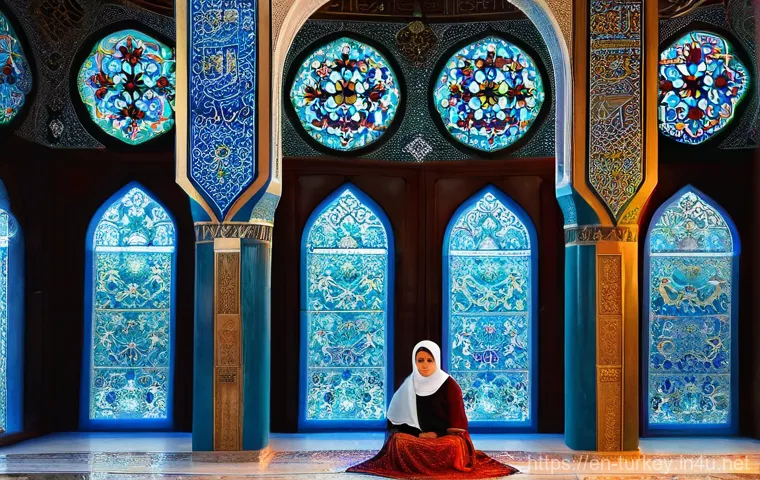
If you happen to be planning your trip to Turkey and find yourself there during Ramadan, the Islamic holy month of fasting, brace yourself for an absolutely unique and deeply moving experience.
I once spent a few unforgettable days in Istanbul during Ramadan, and while many people were diligently fasting from the first light of dawn until the sun dipped below the horizon, the atmosphere at night transformed into something truly magical and vibrant.
As soon as the fast is broken at Iftar, families gather, often in large groups, for incredible, elaborate spreads of food. The streets, which might have been a little quieter during the day, suddenly come alive, bustling with people enjoying their meals, socializing, and celebrating long into the night.
It’s a profound time of reflection, intense community spirit, and incredible generosity. While tourists are absolutely not expected to fast, it’s considered deeply respectful and thoughtful to avoid eating, drinking, or smoking publicly during fasting hours, especially in more conservative areas.
After the solemnity of Ramadan comes Eid al-Fitr (often affectionately called Şeker Bayramı, or “Sugar Holiday,” in Turkey), a joyous three-day celebration where families visit each other, share an abundance of sweets, and exchange gifts, particularly with children.
Then, later in the year, there’s Eid al-Adha (Kurban Bayramı, or “Sacrifice Holiday”), another immensely significant holiday focused on themes of sacrifice, charity, and sharing with those less fortunate.
These holidays are prime, beautiful examples of how deeply faith is woven into the social fabric of Turkey, bringing communities together in celebration, remembrance, and acts of kindness.
It’s a truly heartwarming glimpse into their living traditions, and while it might require some slight adjustments to your travel plans, the cultural immersion and depth of experience are, in my personal opinion, totally worth any minor inconvenience.
More Than Just Words: Social Etiquette and Respectful Interactions
The Power of Greetings and Gestures
Personal Space and Conversational Nuances
Turkish social interactions are often infused with a beautiful and intricate blend of genuine warmth and respectful formality, all rooted in a profound sense of respect that often traces back to underlying religious and cultural values.
I quickly learned during my travels that a simple “Merhaba” (hello) or “Teşekkür ederim” (thank you) goes an incredibly long way in opening doors and creating positive connections.
When greeting elders, it’s a lovely and common custom to lightly touch their hand to your forehead as a sign of deep respect, although a polite nod and a warm greeting are perfectly acceptable and appreciated from visitors.
I’ve personally observed how important direct, yet not overly intense, eye contact is during conversations; it signifies honesty, genuine engagement, and attentiveness.
However, it’s usually not an aggressive stare, just a respectful connection that acknowledges the person you’re speaking with. In terms of personal space, it tends to be a bit closer than what you might be accustomed to in some Western cultures, especially among friends and family, but as a tourist, locals are generally very understanding if you maintain a comfortable distance.
Additionally, avoiding overt public displays of affection is generally appreciated, particularly in more conservative towns and areas. These seemingly small gestures of awareness and genuine effort show that you’re not just passing through, but truly trying to connect with and appreciate the local culture.
I’ve found time and time again that even attempting a few key Turkish phrases, however imperfectly, can open up incredible conversations and lead to truly delightful and memorable encounters, making your journey so much richer and more meaningful.
The Sacred and the Mundane: Understanding Daily Life’s Spiritual Threads
Small Acts of Kindness and Charity
The Role of Superstitions and Beliefs
It’s utterly fascinating how religious beliefs and spiritual perspectives subtly weave into the very fabric of daily Turkish life, often in ways you might not initially recognize or expect.
Beyond the grand, awe-inspiring mosques and the beautiful calls to prayer, you’ll find countless smaller, everyday expressions of faith, charity, and spiritual thinking that really showcase the heart of the culture.
For instance, the significant emphasis on charity (known as zakat in Islam) is often quite evident in the numerous opportunities you’ll see to donate or support those in need, even in seemingly small, spontaneous ways.
I’ve personally witnessed countless acts of kindness, from someone helping an elderly person across a busy street to neighbors readily sharing bountiful platters of food, which locals often attribute directly to their faith and a profound desire to earn good deeds and blessings.
Then there are the charming, sometimes superstitious beliefs that add another wonderfully rich layer to the cultural tapestry. You might spot the iconic blue evil eye (Nazar Boncuğu) almost everywhere you look – hanging prominently in homes, adorning car rear-view mirrors, or even worn as beautiful jewelry.
Locals firmly believe it wards off bad luck, jealousy, and negative energy. While not strictly religious doctrines, these deeply ingrained beliefs are a vital part of the culture and offer a captivating glimpse into a worldview that places immense value on protection, blessing, and the well-being of the community.
It’s these little insights into the intricate interplay of sacred tradition and everyday practice that truly make you feel like you’re experiencing the authentic, beating heart of Turkey, not just skimming the surface.
It’s a beautifully complex tapestry of deeply held belief and vibrant daily existence.
| Custom/Phrase | Meaning/Purpose | Why It Matters for Travelers |
|---|---|---|
| Merhaba! | Hello! | A universal greeting that instantly shows you’re making an effort to connect. Always appreciated! |
| Teşekkür ederim. | Thank you. | Expressing gratitude is always good etiquette and highly valued in Turkish culture. |
| Hoş geldiniz. | Welcome. | This is a very common greeting you’ll receive from shopkeepers, hosts, and even people on the street. It signifies warmth. |
| İnşallah. | “God willing” or “Hopefully.” | Often used when discussing future plans, highlighting a reliance on divine will. It’s polite to use in context. |
| Covering head (women) in mosques. | A sign of respect for the sacred space. | Absolutely essential for entering religious sites respectfully; headscarves are often provided. |
| Removing shoes before entering homes/mosques. | A practice for cleanliness and respect. | A common practice, always look for shoe racks at entrances and follow suit. |
| Public displays of affection (PDA). | Generally discouraged, especially in conservative areas. | It’s best to be mindful and discreet with intimate gestures in public to show respect for local norms. |
Wrapping Things Up
As we come to the end of our journey through the beautiful heart of Turkish culture and faith, I truly hope you’ve gained a deeper appreciation for the incredible warmth, depth, and genuine spirit that makes this country so uniquely enchanting. From the moment you land, you’ll feel an immediate sense of welcome, a hospitality that runs so much deeper than just polite gestures—it’s a way of life, an intrinsic part of their identity. Embracing these cultural nuances and approaching your interactions with an open heart and a respectful mind won’t just make your trip smoother; it will transform it into an unforgettable tapestry of meaningful connections and cherished memories. So go on, dive in, and let Turkey’s rich heritage and vibrant spirituality truly captivate your soul. You’ll be so glad you did!
Good-to-Know Tidbits for Your Turkish Adventure
1. Always carry a small amount of local currency (Turkish Lira) for smaller purchases, tips, or when visiting more traditional markets. While cards are widely accepted in cities, cash can be incredibly handy and often preferred by smaller local businesses, making transactions smoother and allowing you to support the local economy directly.
2. Don’t be afraid to try out a few basic Turkish phrases like “Merhaba” (hello), “Teşekkür ederim” (thank you), and “Güle güle” (goodbye). Locals absolutely adore it when visitors make an effort to speak their language, and it can open up some truly heartwarming interactions and connections you wouldn’t otherwise experience, often leading to bigger smiles and even better service.
3. When visiting smaller towns or more conservative areas, it’s a great idea to dress a bit more modestly, even outside of religious sites. This shows genuine respect for local customs and traditions, and honestly, you’ll find yourself feeling more comfortable and receiving even warmer welcomes, blending in more harmoniously with the local vibe.
4. Be prepared for the Adhan, the call to prayer, which rings out five times a day. It’s a beautiful and integral part of daily life. While you don’t need to change your routine, simply being aware of its significance and perhaps pausing for a moment of reflection yourself shows a deep level of cultural understanding and respect for a deeply spiritual country.
5. Embrace the incredible hospitality! If you’re offered tea, especially in a shop or someone’s home, accept it with a smile. It’s a genuine gesture of friendliness and an invitation to connect, and politely declining without a very good reason can sometimes be seen as slightly impolite. These shared moments over a glass of chai often become the most cherished memories of a trip.
Key Takeaways for an Enriched Journey
To truly unlock the magic of Turkey, remember that respect and genuine engagement are your best travel companions. From the deeply ingrained hospitality, often rooted in faith, to the rhythmic calls to prayer that punctuate the day, every aspect of Turkish life invites you to look beyond the surface. Dressing respectfully, especially in sacred spaces, isn’t just a rule; it’s a bridge to deeper cultural understanding and a sign of honor for their traditions. Experiencing vibrant celebrations like Eid, or simply observing the everyday acts of kindness, reveals the strong community spirit and spiritual threads weaving through society. So, travel with an open mind, a curious heart, and a willingness to immerse yourself, and you’ll find that Turkey offers not just stunning sights, but profound connections that linger long after you’ve returned home. It’s these authentic encounters, built on mutual respect and shared human warmth, that transform a simple vacation into an unforgettable adventure, leaving you with stories and memories that truly enrich your soul.
Frequently Asked Questions (FAQ) 📖
Q: How do religious customs primarily influence daily life and interactions in Turkey, especially for visitors?
A: From what I’ve seen and personally experienced, religious customs are truly woven into the very fabric of daily life in Turkey, and you’ll feel their presence in countless ways, even as a visitor.
For starters, you’ll hear the melodic call to prayer, the adhan, echoing from mosques five times a day. It’s a beautiful, constant reminder of the spiritual rhythm of the country.
I remember once, I was haggling over a rug in a small bazaar, and right as the call began, the shop owner paused, offered a warm smile, and waited a moment before we resumed our friendly negotiation.
It really struck me how these moments create a natural pause, a serene interlude in even the busiest of days. Beyond that, concepts like modesty and respect, which are deeply rooted in Islamic tradition, greatly influence interactions.
People tend to be very polite and value personal space, especially in more formal settings or with strangers. You’ll often find greetings are warm but not overly effusive initially.
It’s not uncommon for men to shake hands, and among close friends or family, a cheek kiss is customary. In more traditional or rural areas, a slight nod of the head or a hand gesture might be used as a greeting.
During the holy month of Ramadan, when many Muslims fast from dawn to dusk, you’ll notice a different atmosphere. While no one expects tourists to fast, showing respect by avoiding eating, drinking, or smoking in public during daylight hours is a thoughtful gesture.
I’ve found that simply being mindful of these customs makes a huge difference in how locals perceive and interact with you; it truly opens doors to warmer, more meaningful exchanges.
Q: What’s the best way for visitors to respectfully engage with and embrace these Turkish religious traditions?
A: This is a fantastic question, and one I’ve pondered a lot during my own travels through Turkey. The key, in my experience, is mindful respect and a genuine willingness to learn.
When visiting mosques, which I highly recommend for their breathtaking beauty and historical significance, remember to dress modestly. This means covering your shoulders and knees for everyone, and women should also carry a light scarf to cover their heads upon entering.
I always keep a scarf in my day bag, just in case! And please, always remember to remove your shoes before stepping inside – there are usually designated racks at the entrance.
During prayer times, especially on Fridays, it’s best to avoid visiting if possible, or at least be extra quiet and respectful, not taking photos in prayer areas.
Beyond formal sites, it’s about observing and adapting. For instance, when offered çay (tea) or food, accepting is often a sign of appreciation for Turkish hospitality, which is deeply ingrained in their culture and often has religious roots.
I recall being invited into a small shop for tea, and though I wasn’t going to buy anything, simply sitting and chatting for a few minutes forged such a lovely connection.
Avoid discussing sensitive topics like politics or religion unless you’re very familiar with the person and the context. Instead, showing interest in their traditions and daily life is always appreciated.
Embrace the slower pace, the emphasis on conversation, and the inherent generosity. It truly transforms your trip into an immersive cultural journey.
Q: Does the influence of religious customs differ significantly between bustling urban centers and more traditional rural areas in Turkey?
A: Absolutely, there’s a noticeable difference, and it’s one of the things that makes exploring Turkey so dynamic! In major cities like Istanbul, Izmir, or Ankara, you’ll often find a fascinating blend of tradition and modernity.
While the call to prayer still rings out and mosques are central to the landscape, urban life tends to be more cosmopolitan and diverse. People in cities, especially younger generations, might interpret or practice religious customs with a bit more flexibility, and public life often feels more secular, as Turkey is constitutionally a secular state.
I’ve personally seen women in headscarves and others in modern Western attire sharing the same café table in Istanbul, perfectly at ease. However, as you venture into more rural areas, particularly in Central or Eastern Anatolia, the observance of religious customs often becomes more pronounced and visible.
Modesty in dress is more widely expected. Community life can revolve more closely around the mosque and religious holidays are celebrated with greater fervor and collective participation.
You might find that alcohol consumption is less common, and public displays of affection are generally more frowned upon than in the cities. From my experience, people in rural areas often exhibit a slightly higher rate of religious observance, such as women covering their heads, compared to their urban counterparts.
It’s a beautiful spectrum, really, from the vibrant, evolving tapestry of city life to the more deeply preserved traditions of the countryside, all contributing to the rich cultural mosaic that is Turkey.