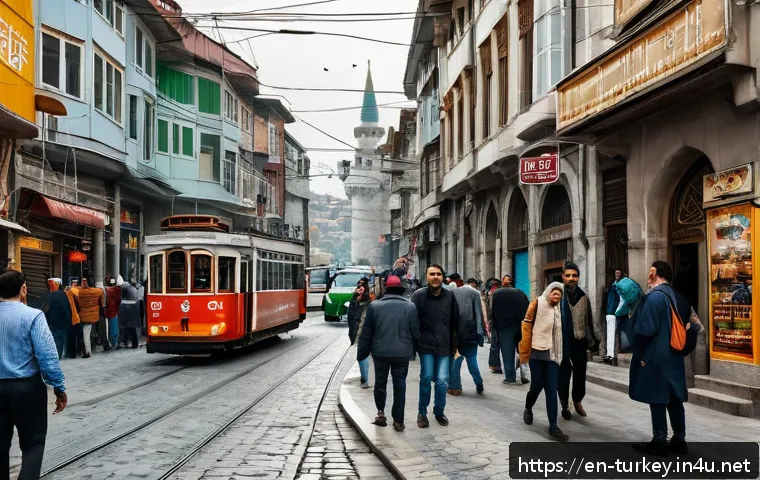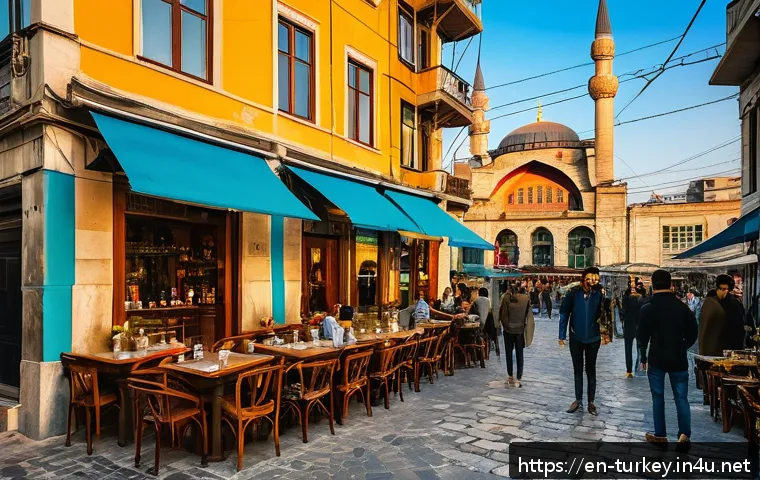
Hey food lovers! You know how I always say the best way to truly connect with a culture is through its kitchen? Well, my recent adventure in Turkey absolutely confirmed it!
Forget just sightseeing; diving into the local culinary scene gives you a whole new perspective, truly a trend many travelers are embracing for a richer, more authentic experience.
I jumped into a hands-on cooking class, and honestly, it was an experience that thrilled every one of my senses – from the intoxicating aroma of fresh spices like sumac and isot filling the air, to the pure joy of mastering traditional dishes myself.
We’re talking everything from perfectly rolled sarma to those incredible, sweet Turkish delights, all made right there in a charming local home. I *lived* the culinary heart of Turkey, learning invaluable secrets that bring history and flavor alive, far beyond what any restaurant could teach you.
Want to discover the magic behind those incredible flavors and bring a piece of Turkey into your own home? Let’s dive in and unravel all the delicious details!
The Heartbeat of Turkish Flavors: Unveiling Ancient Spices
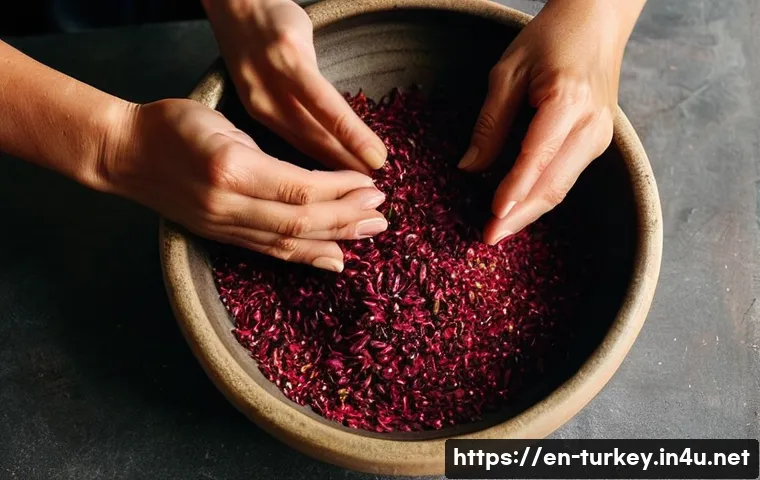
Stepping into a Turkish kitchen, especially for a hands-on cooking class, felt like unlocking a secret chest of aromas. I’ve always been fascinated by spices, but experiencing them in Turkey was something else entirely. It wasn’t just about adding heat or a dash of color; it was about understanding the soul of each spice and how it weaves into the fabric of a dish. My instructor, a wonderfully kind woman named Ayşe, taught us that Turkish cuisine uses spices with a purist approach, aiming to enhance the main ingredient rather than mask it. This philosophy instantly resonated with me, making me realize how much I had to learn even after years of dabbling in different cuisines. We learned about the earthy warmth of cumin, often a staple in meatballs like köfte and other meat dishes. Then there was sumac, with its beautiful reddish-purple hue and tangy, lemony flavor that brightens up everything from salads to grilled meats. And let’s not forget the incredible Urfa chilies, or isot, with their deep, smoky, almost chocolatey bitterness that adds such a unique depth without overwhelming heat. It’s a flavor profile I instantly fell in love with and couldn’t wait to incorporate into my own cooking back home. Learning to use these spices wasn’t just following a recipe; it was connecting with centuries of culinary heritage, feeling the history in every pinch and sprinkle. The way the fragrances mingled in the air was intoxicating, a true symphony for the senses that made me feel so connected to the culture.
More Than Just Heat: The Soul of the Spice Market
Wandering through a local spice bazaar with Ayşe was an adventure in itself, a vibrant explosion of colors and scents that truly brought the meaning of Turkish spices to life. She showed us how to discern quality, explaining that many spices, like thyme, are grown locally in regions like the Aegean and Mediterranean, and are often dried and crumbled for use. We sampled different varieties, from the potent red pepper flakes that vary in heat by region to the subtle sweetness of cinnamon, used in both savory and sweet dishes. What struck me most was the sheer variety and how each spice had a story, a specific role in the culinary narrative of Turkey. It felt like an education far beyond what any cookbook could offer, learning directly from someone whose family has cooked these flavors for generations. This hands-on experience, smelling and tasting different spices, truly solidified my understanding of their importance.
My First Foray into Sumac and Isot: A Taste Revelation
Before this trip, sumac was just a name on a jar to me, and isot was completely unknown. But in that Turkish kitchen, they became stars. Ayşe taught us to mix sumac with finely sliced red onions and fresh parsley for a vibrant salad that perfectly accompanies grilled meats. The tangy kick of sumac was utterly transformative. Then came isot, which she described as having a smoky, raisin-like taste, almost bitter but with a subtle heat. We used it in a tomato-based sauce, and the depth of flavor it imparted was simply astounding. I remember thinking, “Where has this spice been all my life?” It was such a revelation to experience these unique flavors firsthand, learning their nuances and how they can elevate simple ingredients into something extraordinary. My taste buds were doing a happy dance, and I knew these two spices would become permanent fixtures in my pantry.
From Farm to Fork (or, Market to Mouth!): Embracing Local Produce
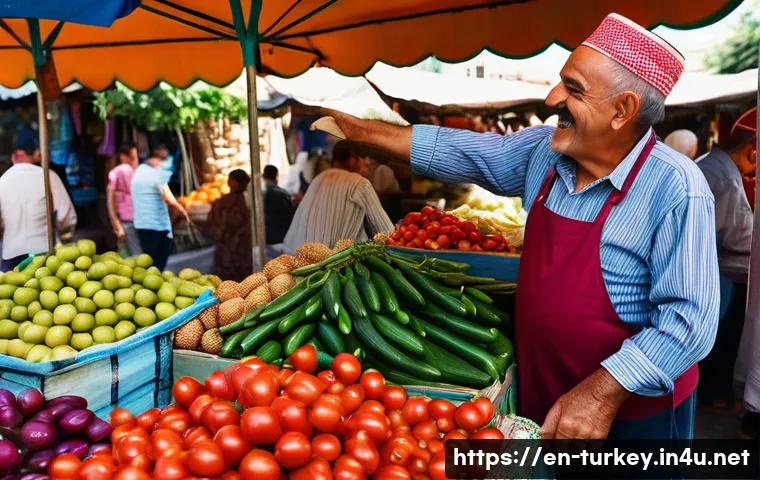
One of the most eye-opening aspects of my Turkish culinary journey was the emphasis on fresh, seasonal ingredients. It wasn’t just a preference; it was a way of life. The cooking class began not in the kitchen, but with a trip to a bustling local market. The sheer abundance and vibrancy of the produce were incredible – mountains of plump, crimson tomatoes, crisp cucumbers, glossy eggplants, and fragrant herbs. Ayşe stressed that the secret to authentic Turkish flavors lies in starting with the best possible ingredients. This really resonated with me, as I’ve always believed that quality ingredients are the foundation of any great meal. Seeing how locals interacted with vendors, tasting samples, and choosing produce by touch and smell made me feel truly immersed in the daily rhythm of Turkish life. It was a stark reminder of how disconnected we can sometimes become from the source of our food, and it inspired me to seek out more local markets and seasonal produce back home.
The Vibrant Bustle of a Turkish Bazaar
Walking through the local bazaar was an experience for all five senses. The air was thick with the scent of fresh herbs, ripe fruit, and exotic spices. Vendors called out their wares, colorful textiles hung overhead, and the chatter of shoppers created a lively soundtrack. I watched in awe as Ayşe skillfully navigated the crowded aisles, picking out perfectly ripe tomatoes and crisp bell peppers. She explained that many Turkish dishes are rich in vegetables, and the quality of these vegetables directly impacts the final taste. It was a joy to see such a strong connection between the community and their food supply, a tradition that felt deeply rooted and authentic. This was far from a sterile supermarket; it was a living, breathing testament to the importance of fresh, local produce in Turkish culinary culture.
Selecting Ingredients Like a True Local
Ayşe taught me some fantastic tips for selecting the best produce. For example, she showed me how to pick firm, heavy eggplants for dishes like karnıyarık (stuffed eggplant), and explained that certain vegetables, like green beans, are often cooked simply with olive oil to let their natural flavors shine. It wasn’t just about looking for perfection; it was about understanding the specific characteristics that make an ingredient ideal for a particular dish. This knowledge, passed down from a true local, felt invaluable. It gave me a new appreciation for the artistry involved in ingredient selection, something I’ll definitely carry into my own kitchen.
The Zen of Kneading: Mastering Traditional Turkish Breads and Pastries
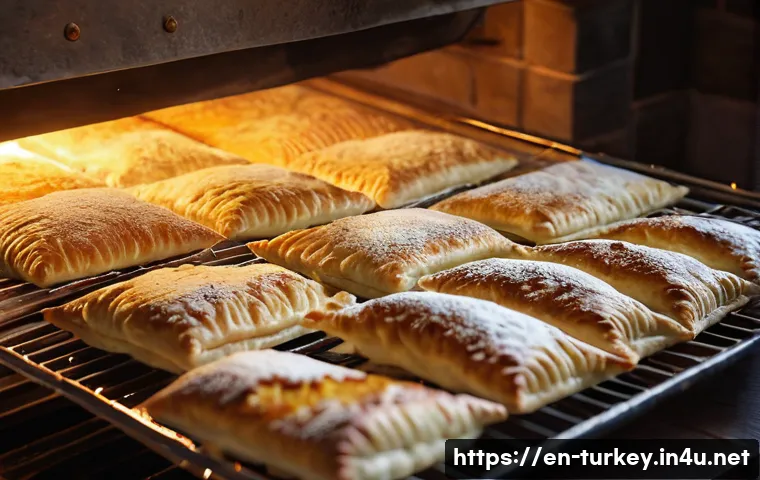
Turkish cuisine holds a special place for its incredible variety of breads and pastries, and learning to make them from scratch was an incredibly satisfying experience. There’s something so therapeutic about working with dough, feeling it transform under your hands. We tackled several classic pastries, including the famed börek, a flaky pastry often filled with cheese and herbs. It’s a dish that looks intimidating but, with Ayşe’s patient guidance, became a joyous challenge. The precise rolling and folding techniques, ensuring those delicate layers, felt like an ancient dance. I remember the sheer concentration I put into getting the dough just right, and the immense pride I felt when my börek came out of the oven, golden brown and perfectly flaky. It’s not just food; it’s an art form, deeply woven into the daily life and celebrations of Turkish people. This hands-on process, from mixing to baking, truly made me feel like I was contributing to a centuries-old tradition.
Unraveling the Mystery of Perfectly Flaky Börek
Börek, for me, was a culinary enigma until this class. I’d eaten it many times, marveling at its delicate, crispy layers, but never imagined I could create it myself. Ayşe showed us how to work with incredibly thin sheets of dough, stretching and layering them with a mixture of feta cheese and aromatic parsley. It required a gentle touch and a surprising amount of patience, but the payoff was immense. The aroma that filled the kitchen as it baked was heavenly, and taking that first bite of my own homemade börek was a moment of pure culinary bliss. It’s a dish that can be enjoyed for breakfast, lunch, or dinner, highlighting its versatility in Turkish meals. I can still feel the crispness of the exterior giving way to the soft, savory filling.
Lahmacun and Pide: Hand-Stretching the Perfect Base
Beyond börek, we also delved into the world of Turkish flatbreads, specifically lahmacun and pide. Learning to hand-stretch the dough for lahmacun, a thin, crispy flatbread topped with spiced minced meat and vegetables, was a highlight. It required a delicate balance of strength and finesse. Pide, with its boat-like shape and various savory fillings, was equally fascinating. Both dishes highlighted the importance of a well-made dough as the foundation for incredible flavor. There’s a real satisfaction in creating something so fundamental and delicious with your own hands, and I realized how much skill goes into even what seems like a simple street food.
A Feast for the Senses: Crafting Iconic Turkish Mezze
Oh, the mezze! If there’s one aspect of Turkish dining that completely captured my heart, it’s the incredible array of small dishes known as mezze. These aren’t just appetizers; they’re a way of life, meant for sharing, lingering over, and savoring with friends and family. In our cooking class, we spent a delightful afternoon creating a spread of these vibrant, flavorful bites. Each dish felt like a tiny culinary masterpiece, showcasing the incredible diversity of Turkish ingredients and cooking techniques. From creamy dips to fresh salads, every mezze told a story, often steeped in centuries of tradition. It was fascinating to see how simple ingredients like yogurt, cucumbers, and fresh herbs could be transformed into something so utterly delicious and complex in flavor. The communal aspect of preparing and then enjoying mezze together was truly special, creating a warm, inviting atmosphere that embodies Turkish hospitality.
The Art of the Appetizer: Small Bites, Big Flavors
We learned to make several classic mezze that I now crave constantly. There was cacık, a refreshing yogurt dip with grated cucumber, garlic, and fresh mint, perfect for cooling the palate. We also prepared muhammara, a rich and slightly spicy dip made from roasted red peppers, walnuts, and pomegranate molasses, which was a revelation of sweet, sour, and savory. Each mezze felt like a little burst of flavor, designed to complement each other and prepare your taste buds for the main course, or in my case, just be the main course! It truly showed me how much flavor can be packed into a small plate. And honestly, I could happily make a meal out of just these incredible small dishes.
Rolling Sarma: A Test of Patience and Precision
One of the most intricate mezze we tackled was sarma, delicate vine leaves rolled around a flavorful filling of rice, herbs, and sometimes minced meat. This required a surprising amount of patience and precision, carefully tucking and rolling each tiny package. My first few attempts were a bit…rustic, shall we say? But with Ayşe’s gentle encouragement and a few demonstrations, I started to get the hang of it. The satisfaction of seeing a tray of perfectly rolled sarma, ready to be cooked, was immense. It felt like a meditation, a truly hands-on connection to a time-honored tradition. This process highlighted the love and care that goes into traditional Turkish cooking, making the final taste all the more rewarding.
| Mezze Dish | Key Ingredients | Flavor Profile |
|---|---|---|
| Hummus | Chickpeas, tahini, garlic, lemon juice, olive oil | Creamy, nutty, tangy, savory |
| Cacık | Yogurt, cucumber, garlic, mint | Refreshing, cool, garlicky, herby |
| Muhammara | Roasted red peppers, walnuts, pomegranate molasses, spices | Sweet, smoky, tangy, slightly spicy, rich |
| Kısır | Fine bulgur, tomato paste, parsley, mint, pomegranate molasses | Earthy, fresh, tangy, often spicy |
| Sarma (Vine Leaves) | Vine leaves, rice, herbs (dill, mint), sometimes ground meat | Herby, savory, slightly sour (from vine leaves) |
Sweet Endings: Delving into Turkish Dessert Traditions
You can’t talk about Turkish cuisine without dedicating a serious amount of attention to its desserts. And let me tell you, it’s so much more than just baklava! While baklava is undeniably delicious and famous worldwide, my cooking class really opened my eyes to the incredible breadth of Turkish sweet traditions. There’s a delicate artistry to these treats, often involving syrupy goodness, creamy puddings, and unique textures. Learning to create these sweet masterpieces was a fantastic way to understand another facet of Turkish hospitality, as desserts are often shared during celebrations and special occasions, bringing people together in a delightful way. The balance of sweetness is often just right, never cloyingly so, but always utterly satisfying. It was a true joy to try my hand at making some of these iconic desserts, and the results were absolutely heavenly.
Beyond Baklava: Discovering a World of Sweet Treats
While I adore baklava, I was thrilled to discover other Turkish desserts that truly stole my heart. We made sütlaç, the Turkish version of rice pudding, which is incredibly creamy and often baked until the top is slightly caramelized, almost like a crème brûlée. The subtle hint of cinnamon on top was just divine. Another favorite was şekerpare, tender semolina cookies soaked in a sweet lemon-infused syrup. They’re traditionally served during religious celebrations, and I can totally see why – they’re a perfect bite of tender, syrupy sweetness. Then there’s the famous Turkish Delight, or lokum, which we didn’t make but learned a lot about. It’s such a staple, often enjoyed with Turkish coffee. Each dessert had its own charm and story, painting a rich picture of Turkish culinary heritage.
The Secret to Syrupy Goodness: Mastering Sherbet
Many Turkish desserts rely on a delicate sugar syrup, or “sherbet,” to infuse them with sweetness and moisture. This wasn’t just a simple sugar water; there was an art to balancing the sugar, water, and often a touch of lemon or rose water to prevent crystallization and add flavor. Ayşe taught us the importance of having the syrup at the right temperature when pouring it over hot pastries, or vice-versa, to achieve that perfect absorption and crispy-soft texture. It’s a technique that feels very specific to this region, and mastering it felt like gaining a secret weapon for future dessert making. I loved how she explained the science behind it, ensuring that our sweet creations would be truly authentic and delicious.
More Than Just Food: The Cultural Tapestry of Turkish Kitchens
My culinary journey in Turkey was about so much more than just the food itself; it was a profound immersion into the country’s rich cultural tapestry. The kitchen, in Turkey, is truly the heart of the home and a powerful conduit for tradition, hospitality, and storytelling. It felt like every ingredient, every technique, and every dish carried generations of history within it. I wasn’t just learning recipes; I was learning about a way of life, a philosophy centered around sharing, generosity, and community. The experience of cooking alongside locals, hearing their stories, and laughing together over a bubbling pot of lentils was incredibly enriching. It gave me a perspective that simply eating in restaurants, no matter how authentic, could never provide. This human connection made every flavor taste even richer, every aroma more intoxicating, and every moment more memorable.
Stories Shared, Traditions Passed Down
As we cooked, Ayşe shared anecdotes about her grandmother’s recipes, the importance of family meals, and the customs surrounding Turkish hospitality. It was a beautiful reminder that food is often the strongest link to our heritage and a powerful way to pass down traditions. I heard about the significance of specific dishes for celebrations, like the end of Ramadan, or how certain foods are enjoyed during particular seasons. These stories weren’t just filler; they were integral to understanding the meaning behind the meals we were preparing. It felt like being welcomed into a family, a true honor that deepened my appreciation for Turkish culture beyond measure.
The Warmth of Turkish Hospitality Through Culinary Arts
The warmth and generosity I experienced in that Turkish kitchen were truly heartwarming. From the moment I arrived, I was treated like family. The act of cooking together, sharing tasks, and then finally sitting down to enjoy the fruits of our labor felt like a universal language of connection. Turkish cuisine itself is a fusion of Middle Eastern, European, and Central Asian influences, reflecting the country’s rich history and diverse cultural interactions. This blending of flavors and traditions truly came alive in the communal cooking setting. It made me realize that food isn’t just sustenance; it’s a powerful expression of love, welcome, and cultural identity. It’s an experience I will cherish forever.
Bringing the Bosphorus Home: Recreating Turkish Magic in Your Own Kitchen
After such an incredible, immersive experience, my mind is buzzing with ideas for how to bring a piece of Turkey into my own kitchen. The beauty of what I learned is that many traditional Turkish dishes, while complex in flavor, are often quite approachable to recreate at home once you understand the basic principles and key ingredients. My goal now is to not just follow recipes, but to infuse my cooking with the same passion for fresh produce, aromatic spices, and communal spirit that I experienced in Turkey. It’s about more than just making a meal; it’s about recreating an experience, a memory, and a connection to a culture I’ve come to adore. I feel equipped with not just a handful of recipes, but a deeper understanding of the soul of Turkish cuisine, and that’s a souvenir far more precious than anything I could have bought in a shop.
Essential Takeaways for Your Home Cooking
If you’re looking to infuse your home cooking with Turkish flavors, here are some key takeaways I’m living by: Firstly, embrace fresh herbs like parsley and mint; they are absolutely essential. Secondly, don’t shy away from investing in good quality spices like sumac, cumin, and Urfa chili flakes – they make all the difference. Thirdly, learn to appreciate the power of olive oil, especially in vegetable dishes. And finally, try to incorporate the communal aspect of Turkish dining; cooking and sharing food with loved ones makes every meal more special. Even if you can’t recreate an entire mezze spread every night, choosing one or two dishes to focus on can bring a wonderful touch of Turkish magic to your table.
Where to Find Authentic Ingredients Abroad
One of my biggest questions after returning home was, “How do I find these incredible ingredients?” Luckily, with the rise of global cuisine, many specialty ingredients are becoming more accessible. I’ve found that local Middle Eastern or Mediterranean grocery stores are treasure troves for authentic spices, pomegranate molasses, bulgur, and good quality olive oil. Online retailers are also fantastic resources for those harder-to-find items like specific chili flakes or unique Turkish cheeses. Don’t be afraid to ask around in your local foodie communities, either; you might be surprised by what hidden gems you discover. With a little effort, you can absolutely keep the flavors of Turkey alive and well in your everyday cooking, bringing those vibrant memories right back to your kitchen.
Wrapping Things Up
What an incredible journey this Turkish culinary adventure has been! From the vibrant spice markets to the therapeutic kneading of dough and the joyful art of mezze, every moment was a revelation. It wasn’t just about learning recipes; it was about connecting with a culture that values hospitality, tradition, and the simple pleasure of sharing good food. I’m leaving with a heart full of cherished memories, a mind buzzing with new flavors, and a pantry stocked with exciting spices. This experience truly transformed my understanding of what it means to cook and eat, reminding me that food is a universal language that brings us all closer. I genuinely hope my adventures inspire you to embark on your own culinary explorations, whether it’s trying a new spice or taking a leap to travel and taste a new world. The joy of discovery, especially through food, is truly boundless.
Useful Information to Know
1. Diving into Turkish cuisine at home can feel like a big step, but trust me, it’s incredibly rewarding! Start by getting your hands on some quality basic spices like cumin, sumac, and good red pepper flakes. You’ll find these at most international grocery stores or online. Don’t underestimate the power of fresh herbs either; a sprinkle of fresh parsley or mint can completely transform a dish and bring that authentic Turkish brightness right into your kitchen. It’s amazing how a few key ingredients can unlock such a rich tapestry of flavors, making even simple weeknight meals feel exotic and special.
2. If you’re planning a trip to Turkey, make sure to visit a local market, or “pazar.” It’s a feast for the senses and an absolute must for understanding the heart of Turkish cooking. Don’t be shy to sample things and chat with the vendors – they often have the best tips and can introduce you to seasonal produce you might not find elsewhere. I found that embracing the vibrant chaos of the market was half the fun, and it really helped me appreciate the emphasis on fresh, seasonal ingredients that underpins so much of the cuisine. It’s an authentic experience you simply can’t get from a cookbook.
3. While Turkish coffee and baklava are iconic, don’t miss out on exploring the vast world of other Turkish desserts and beverages. Try ‘sütlaç’ (rice pudding) or ‘aşure’ (Noah’s pudding) for a taste of comforting sweetness, and always, always enjoy a glass of traditional black tea, or ‘çay,’ which is a staple of Turkish hospitality. These lesser-known delights are just as much a part of the culture and offer a deeper dive into the sweet side of Turkey. I promise you, there’s a whole universe of deliciousness beyond what you might already know, and it’s all worth discovering.
4. Consider investing in a quality Turkish cookbook or taking an online cooking class if you can’t travel. While hands-on experience is unmatched, a good resource can guide you through the techniques and nuances of Turkish cooking, from mastering the art of making fluffy pilaf to perfecting those delicate pastries. Many chefs now offer virtual experiences, which can be a fantastic way to learn directly from experts and get answers to your questions in real-time. It’s a wonderful way to bring a piece of that authentic learning experience right into your home kitchen, wherever you are.
5. Embrace the communal aspect of Turkish dining. Food in Turkey is meant to be shared, lingered over, and enjoyed with loved ones. When you cook Turkish dishes, try to gather friends or family around the table and create a relaxed, inviting atmosphere. Even if it’s just a simple mezze spread, the act of sharing and conversing over delicious food truly enhances the experience and embodies the warmth of Turkish hospitality. It’s not just about the flavors, but the connections that are forged around the table that make Turkish meals so incredibly special and memorable.
Key Takeaways
My culinary journey through Turkey truly reinforced that the best food experiences are always about more than just taste; they’re about connection, culture, and embracing new perspectives. I learned that starting with the freshest ingredients, even if it means a trip to a specialty store, makes an undeniable difference. The subtle power of unique spices like sumac and Urfa chili can elevate simple dishes into something extraordinary. But perhaps most importantly, I rediscovered the joy of cooking with an open heart, ready to learn, share, and truly savor every single moment. This entire experience has reminded me to approach food not just as sustenance, but as an incredible gateway to understanding the world and connecting with people on a deeper level. It’s a lesson I’ll carry with me, both in and out of the kitchen, forever.
Frequently Asked Questions (FAQ) 📖
Q: How did you manage to find such an authentic, hands-on cooking class experience in Turkey, and what advice do you have for someone trying to do the same?
A: Oh, what a fantastic question! Finding the right cooking class is absolutely key to unlocking that authentic experience, and honestly, it took a little digging, but it was so worth it!
I wasn’t looking for a big, commercial kitchen; I wanted something intimate, where I could really feel like I was stepping into someone’s home – and that’s exactly what I found!
My biggest tip? Start by looking for smaller, locally-run operations. These are often advertised through guesthouses, local tourism boards, or even by just asking around once you’re there at local markets or small cafes.
Don’t be afraid to chat with the locals; they often know the best hidden gems! I specifically sought out classes that emphasized traditional, home-style cooking rather than just restaurant techniques.
Look for reviews that mention “hands-on,” “local family,” or “home kitchen” experiences. What truly sealed the deal for me was finding one that promised to teach us about the spices and stories behind the dishes, not just the recipes.
It felt less like a class and more like an invitation to a family gathering. That’s where the magic really happens, folks – when you learn not just how to cook, but why they cook it that way.
Trust me, finding that personal connection makes all the difference!
Q: You mentioned learning to make sarma and Turkish delights. Were these difficult for a beginner, and what was the most surprising thing you learned about Turkish cuisine that you can bring back to your own kitchen?
A: That’s a great point! When I first thought about making sarma – those beautifully wrapped vine leaves – I pictured hours of intricate work and felt a little intimidated.
And Turkish delights? They seemed like pure magic that only a master confectioner could create! But honestly, I was pleasantly surprised.
Our instructor broke everything down into such manageable steps. For sarma, it was all about the technique of rolling, and once you get the hang of it, it’s actually quite meditative and fun.
The Turkish delights were more about precision and patience with the ingredients, but not overly complicated. The most surprising and truly invaluable thing I learned wasn’t about a specific dish, but rather the philosophy behind Turkish flavors: the incredible balance they strike between sweet, savory, and often a subtle tang.
For example, using a touch of pomegranate molasses in savory dishes, or that wonderful, almost earthy sweetness from dried figs in unexpected places. And the way they layer spices like sumac and isot to create depth without overwhelming the palate?
Absolutely game-changing! It’s taught me to be bolder with my spice combinations and to think about balancing flavors in a whole new way, adding that authentic touch to my home cooking now.
Q: For someone who usually just eats out when traveling, what makes a hands-on cooking class truly a “must-do” experience that’s worth the time and investment?
A: I totally get it – when you’re traveling, there’s nothing quite like the convenience and excitement of trying different restaurants and street food! But let me tell you, a hands-on cooking class elevates your entire trip to an entirely different level, making it absolutely a “must-do” in my book.
It’s more than just a meal; it’s an immersion. When you’re in a kitchen with a local, you’re not just tasting food, you’re living the culture. You hear stories about the dishes, learn about family traditions, and even pick up little conversational phrases along the way.
Think about it: you’re getting personal insights into daily life that no restaurant menu or tour guide can ever offer. Plus, you gain a tangible skill you can bring home!
Imagine hosting friends and making those same incredible sarma or a perfect Turkish delight yourself, sharing not just the food but the stories and memories of your adventure.
It truly creates a deeper connection, transforming a fleeting visit into a rich, memorable experience that resonates long after you’ve unpacked your suitcase.
It’s an investment in memories and a unique cultural education that pays dividends every time you recreate those flavors in your own kitchen.